
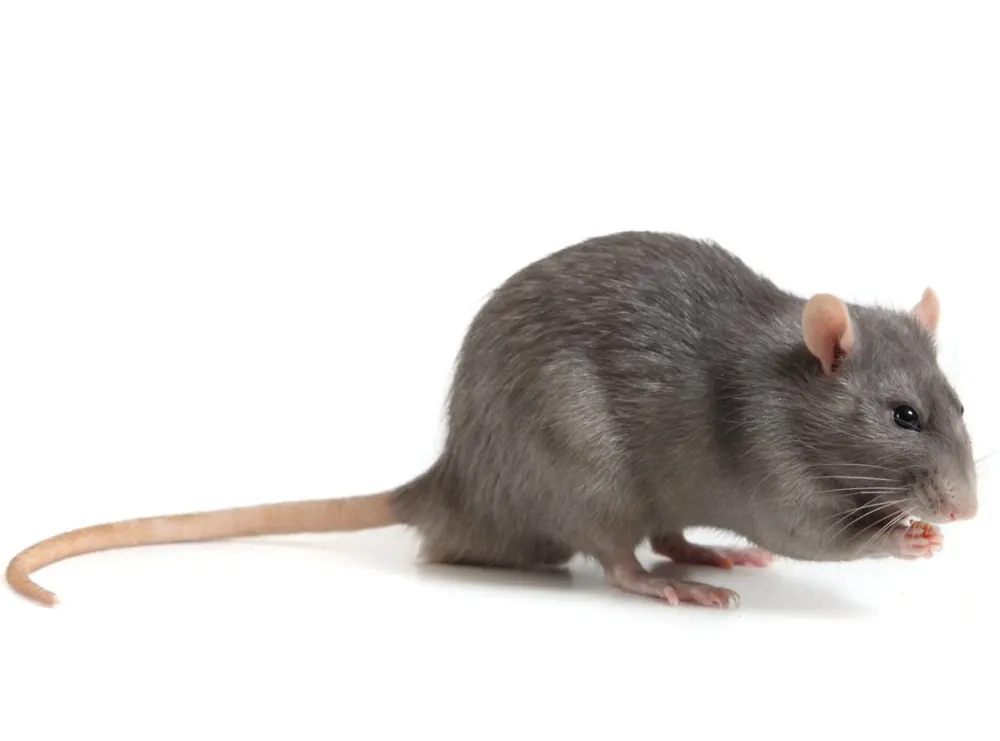
The classic Jeffreys Bay rat call goes like this: the family arrives for the holidays, opens up the house and finds droppings on the kitchen counter, a chewed-through extension lead and scratching in the ceiling on the first night. Rats moved in while the house was quiet. The fix has three parts, and skipping any of them means they come back: find the way in, remove the rats that are there and close the route.
How rats get into J-Bay roofs
Most of the rats we deal with in town are roof rats, also called black rats. They are agile climbers, and the coast gives them plenty of help.
- Wind damage. Years of strong coastal gusts lift ridge tiles, loosen flashing and bend roof sheeting. Any gap at the roofline is an invitation.
- Gutters, downpipes and wires. Rats run up downpipes and along cables to reach the eaves.
- Overhanging branches and creepers. A tree or a heavy creeper touching the roof is a ladder.
- Gaps around pipes and geyser vents where the roof has been worked on.
Norway rats, the heavier ground-dwelling kind, turn up too, mainly near restaurants, bin areas and storage yards where they burrow under slabs and follow drains.
What months of quiet does to a roof
When rats have a roof space to themselves for a whole winter, they do a lot of damage. They chew electrical cables, which is a fire risk. They tunnel through insulation and leave it soiled with urine and droppings. They nest in stored boxes, Christmas decorations and the spare mattresses kept in the garage. And a breeding pair left alone can produce several litters before anyone notices. Rats are one of several problems that build up in closed houses over winter; our overview of pests that affect J-Bay holiday homes covers the others.
Signs of rats
- Running and scratching above the ceiling, mostly from dusk onwards
- Droppings about the size of a raisin, often clustered in one spot
- Dark greasy smudges where rats rub along beams, walls and pipes
- Gnawed corners on doors, skirting boards or plastic bins
- Lights tripping or appliances failing after wiring has been chewed
- Pets fixated on a ceiling corner or a cupboard
Our process
- Roof and perimeter inspection. We go into the roof space where it is safe to do so, check the eaves from outside and trace runways to the entry points.
- Bait stations and traps. Lockable, tamper-resistant stations go outside along the routes rats use. Traps or stations inside the roof deal with the ones already there. Children, pets and wildlife cannot get to the bait.
- Proofing list. We show you each gap and tell you how to close it: re-bedding a ridge tile, fitting mesh over a vent, cutting back a branch. Some are DIY jobs; some need a roofer.
- Follow-up. We come back to check the stations and confirm the activity has stopped.
The local tip
If you own a holiday house, ask your neighbour or caretaker to walk round it after any big winter blow and look up at the roofline. A single displaced tile spotted early is a five-minute fix. Found in December, it may have let in a family of rats.
What people get wrong
Leaving loose poison in the ceiling and locking up for the season. Rats eat it and die in places you cannot reach, and you open the house to a smell that lingers for weeks and brings flies. Poison loose in the roof is also dangerous to cats, dogs and the owls that hunt along the coast. Bait belongs in a locked station, placed for a reason.
Guesthouses and food businesses
A guest hearing a rat in the ceiling is the kind of story that ends up in a review. For guesthouses, restaurants and shops we set up scheduled monitoring with numbered stations and a record of each check, so problems are caught early rather than reported by a customer. See our wider rodent control service in Jeffreys Bay for how this works for businesses.
What does rat control cost?
The price depends on the size of the property, how established the rats are and how much proofing is needed. A house with a few roof rats and one obvious entry point is a fairly small job. A large holiday complex or a restaurant with rats in the drains needs more stations, more visits and usually an ongoing contract. We will give you a quote after the inspection.
Not sure it is rats? Mice leave much smaller droppings; our page on mouse problems in Jeffreys Bay explains the difference. You can also read the full guide to rats and rat control, see how we handle roof rats in Walmer's older homes, or visit our main rat control page for Port Elizabeth.
Call 087 012 5550, or WhatsApp us a photo of the droppings and we will tell you what you have.
Questions we get asked
Is it rats or something else in my ceiling?
Heavy running and scratching at night is usually rats. Lighter pattering can be mice, and noise in the early morning can be birds nesting. Droppings tell you for sure.
Are rats in the roof a fire risk?
Yes. Rats gnaw electrical cables, which can cause short circuits. Have wiring checked by an electrician if you find chewed cables.
How long does it take to clear rats from a roof?
Activity in a typical house usually drops within one to two weeks. Bigger infestations take longer, which is why we come back to check.
Can I stay in the house during treatment?
Yes. Rat treatment uses bait stations and traps, so there is no need to move out.
Will you remove dead rats from the roof?
Where we can reach them safely, yes. Using stations and traps rather than loose poison makes it much less likely that rats die out of reach.
Do I need to clean the roof space afterwards?
If there were a lot of droppings or soiled insulation, yes. Wear gloves and a mask, and damp the droppings down rather than sweeping them dry.