
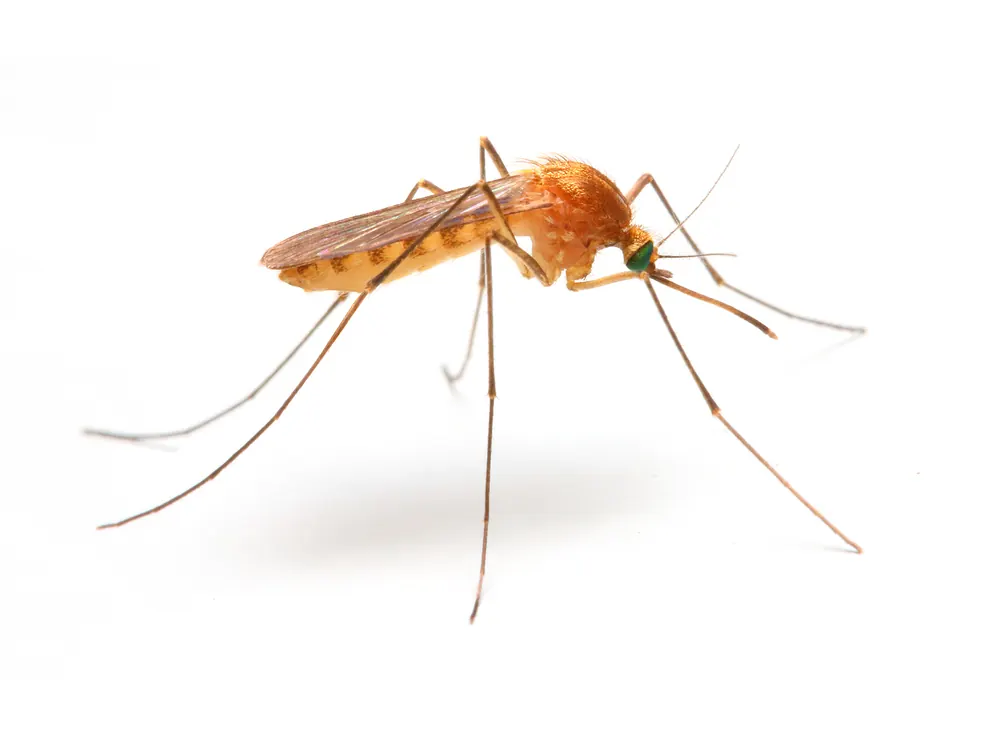
If flies or mosquitoes are taking over your house or business in Jeffreys Bay, the answer is nearly always somewhere nearby where they are breeding. Swatting and spraying the air only deals with today's adults. Finding the bin, drain, compost heap, pond or water-filled saucer that is producing them is what makes the difference, and that is where our visit starts.
Why summer in J-Bay brings so many
Flying insects follow food, warmth and water. In the holiday season this town has all three in quantity. Houses that held two people for most of the year suddenly hold ten. Braais run every evening, fish gets cleaned at the outside tap, wheelie bins fill up between collections and guesthouse and restaurant kitchens are at full stretch. Flies can go from egg to adult in about a week in warm weather, so one neglected bin can turn into a problem fast.
The quiet months matter too. Gutters, pool covers and pot-plant saucers at an empty holiday home collect rainwater, and nobody tips them out. That is where mosquitoes breed.
The flying insects we see most
- House flies and blowflies around bins, braai areas, fish-cleaning spots and pet feeding bowls.
- Fruit flies in kitchens and bars, breeding in fruit bowls, drains, recycling bins and the film of old drink in empties.
- Drain flies, small and furry-looking, rising from shower and basin drains in houses that have stood unused.
- Mosquitoes breeding in any standing water around the property.
- Wasps nesting under eaves, decks and pergolas. These have their own page: wasp nest removal in Jeffreys Bay.
How to tell where they come from
- Lots of flies at one window often means a source inside, such as a dead rodent in the roof or under the floor.
- Tiny flies hovering over the sink point to the drain, not the fruit bowl.
- Mosquitoes biting on a still evening usually come from within a short distance of the house.
- Flies around a restaurant back door usually mean the refuse area needs attention.
What we do
- Find the breeding sites. We check bins, refuse areas, drains, compost, gutters, ponds, water features and anywhere water collects.
- Remove or treat the source. Much of this is practical advice: cleaning, covering, draining or changing how waste is stored.
- Treat resting areas. Flies rest on walls, ceilings and eaves near their food. An odourless, non-staining residual treatment on those surfaces knocks back the adults.
- Deal with nests directly where wasps are involved.
- Ongoing service for businesses. Restaurants, takeaways and guesthouses can go onto scheduled visits through the busy season.
Restaurants, takeaways and guesthouses
For a food business, flies are not only a nuisance; they land on food and prep surfaces and customers notice them straight away. In a holiday town the pressure lands all at once, when kitchens are at their busiest and staff have the least time to spare. The places that cope best get the basics in order before the season starts: tight-fitting bin lids, a refuse area that is washed down regularly, drains that are cleaned rather than just flushed, and fly screens or air curtains on doors that stay open. We can add scheduled treatment of the back-of-house areas and outside seating, and keep a record of every visit. The same approach works inland, too; we use it for flying insect problems in Walmer and across the metro.
A tip for the holiday crowd
If you clean fish at home, rinse the cleaning spot with plenty of water and bag the scraps tightly before they go in the bin, or freeze them until collection day. Fish waste in a hot wheelie bin is one of the fastest fly breeders there is, and blowflies will find it within minutes.
What people get wrong
Running a plug-in zapper or a fogger and ignoring the source. A zapper kills some adults but does nothing about the hundreds hatching in a bin or drain, and many of the insects it kills are harmless moths and beetles. Fix the source first.
What does it cost?
For a home, many fly problems are solved with a single visit and some changes to how waste is handled, and in some cases you will not need us at all once you know where they are breeding. Businesses with food on site usually need regular treatment through summer, priced on the size of the premises and how often we visit. We will quote once we have seen the property. Read more in our flying insect guide or on our flying insect control page for Port Elizabeth. For everything else we treat here, see Jeffreys Bay pest control.
Call 087 012 5550 to book, or WhatsApp us a photo of the insects and where you are seeing them.
Questions we get asked
Why do flies keep coming back after I spray?
Because they are still breeding nearby. Spraying kills adults, but new ones hatch every day until the bin, drain or waste that is feeding the larvae is dealt with.
What are the tiny flies coming out of my shower drain?
They are most likely drain flies. They breed in the slime inside drains and are common in houses that have stood empty, so cleaning the drain properly usually solves it.
Can you help a restaurant through the summer season?
Yes. We set up regular visits that cover refuse areas, kitchens and outside seating, timed around your trading hours.
Is it safe to treat around a pool and deck?
Yes. We treat walls, eaves and resting surfaces with targeted product and keep away from the pool water itself.
How do I stop mosquitoes at my holiday house?
Remove standing water. Tip out saucers, keep gutters clear, cover water tanks and make sure pool covers do not hold puddles while you are away.
Could flies be a sign of something dead in the roof?
Yes. A sudden cluster of flies indoors, often with a smell, can mean a dead rat or bird in the roof or a wall cavity. We can find and remove it.