
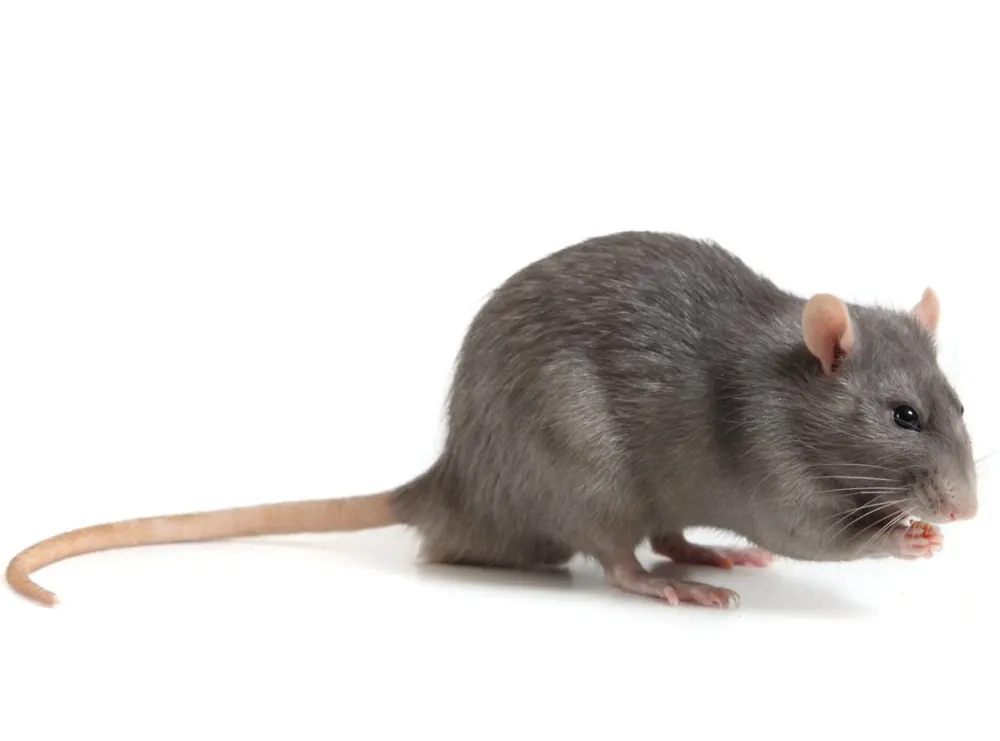
If you've got rats in Kariega, the first thing to find out is whether they're living above you or below you. Scratching and running across the ceiling after dark points to roof rats. Burrows beside paving, droppings in the garage and rats near the bins or drains point to Norway rats. The treatment and the proofing are different for each, so this is where every job begins.
Older roofs and the roof rat
Many of Kariega's suburbs were built decades ago, and their roofs show it. Fascia boards pull away, ridge tiles crack, and the gap where the roof meets the wall opens up as old mortar crumbles. A roof rat needs a gap of only a couple of centimetres. They climb up creepers, run along walls and fences, and jump from overhanging trees and the branches of fruit trees in established gardens.
Once inside, they nest in the insulation and use the roof as a base, coming down at night to feed in the kitchen, the garage or on dog food left outside. The noise usually starts an hour or two after dark.
Norway rats around yards, drains and industry
Norway rats are heavier and stay on the ground. In residential Kariega they burrow under sheds, compost heaps, wood piles and loose paving, and use stormwater drains to move between properties. Around the industrial areas, with their warehouses, pallet yards, waste skips and canteens, they can build up large colonies if nobody's watching. On commercial sites we usually set up a scheduled programme; see our page on rodent monitoring for Kariega businesses.
What tells you it's rats
- Droppings about the size of a raisin or larger, often in a line along a wall or beam
- Dark, greasy smears where rats squeeze past the same spot every night
- Holes chewed in the corner of a garage door, a dog food bag or an irrigation pipe
- Fresh soil at burrow entrances beside walls, sheds or paving
- A strong, musty smell in the roof or a cupboard
Small droppings like grains of rice mean mice instead; see our page on mouse problems in Kariega.
How we deal with them
We go up into the roof, check the eaves and walk the yard and garage. We're looking for droppings, runways, nesting sites and above all the way in. Lockable, tamper-resistant bait stations go outside along walls and runways, and inside we use traps or stations placed where the rats actually travel, out of reach of children and pets. Where we need to see which way they're moving, we use tracking powder.
Health and damage
Rats aren't just a noise problem. They contaminate food and surfaces with urine and droppings, and in a roof they chew through electrical wiring, which can be a fire risk, as well as insulation and plastic water pipes. Fleas and mites can come with them. That's why a rat in the ceiling is worth dealing with properly rather than living with.
Then we show you every entry point: the branch to cut back, the fascia gap to close, the broken air brick or the gap around a pipe. Some of it is a weekend job, some needs a builder. We come back to check the stations and confirm activity has stopped.
A Kariega tip
Pick up fallen fruit and don't leave dog food in bowls outside overnight. In an inland summer, when gardens dry out and natural food gets scarce, a bowl of pellets on the back stoep is one of the main things drawing rats to a house. Feeding pets in the morning and lifting the bowl at night makes a real difference.
What people get wrong
Killing the rats and leaving the gap. It feels like the job is done, but the scent trails and the entrance are still there, and new rats from neighbouring yards move into the space within weeks. Proofing is what makes the result last.
What does it cost?
The size of the property, the number of rats, which species it is, and how much proofing is needed all play a part. A house with roof rats is a smaller job than a warehouse with Norway rats in the drains. Businesses usually go onto a monitoring contract. We'll quote once we've had a look.
Want to know more about how rats breed and behave? Our rat control guide goes into detail. We also cover rats right across Port Elizabeth and rat problems in neighbouring Despatch.
Call 087 012 5550, or WhatsApp us a photo of the droppings and we'll tell you what you've got.
Questions we get asked
Why do I only hear rats at night?
Rats are mostly active after dark. Roof rats usually start moving an hour or two after sunset, when they leave the roof to feed.
Can rats get in through the eaves?
Yes. Gaps at the fascia and where the roof meets the wall are among the most common entry points in older Kariega homes.
Is it safe to have bait stations where my children play?
Yes. Our stations are lockable and tamper-resistant, and we place them so children and pets can't reach the bait.
Will rats from the neighbour's yard keep coming?
They can. That's why proofing your property matters. If neighbours have a big problem too, treating both properties works best.
Do rats carry disease?
They can contaminate food and surfaces with their droppings and urine, which is one reason not to tolerate them around kitchens and stored food.
Should I trim the trees near my roof?
Yes. Branches that touch or overhang the roof give roof rats a direct route in, so cutting them back is one of the best things you can do.