
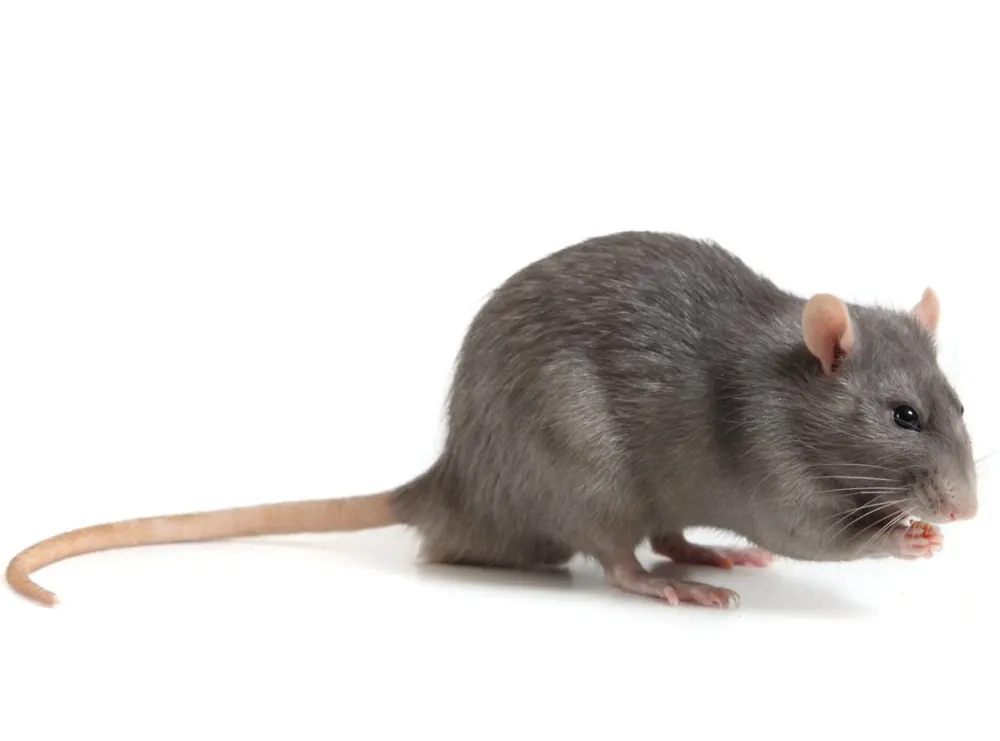
If you're hearing scratching or running above the ceiling at night in Newton Park, you most likely have roof rats, and they got in through a gap in an older roof. We take them out with lockable bait stations and traps placed on their runways, then show you exactly which gaps to close so new rats don't take their place.
Why older Newton Park roofs suit rats
A lot of houses in Newton Park have been here for decades. Over that time, the roof has been through a lot of Port Elizabeth wind. Ridge tiles loosen, the mortar under them cracks, roof sheeting lifts at the edges, and the fascia boards at the eaves warp or rot. Each of those leaves a gap, and a roof rat needs very little room to squeeze through.
The gardens help them too. Mature trees, creepers on boundary walls and vines on pergolas give roof rats a highway from the neighbours' property to yours, and up onto the roof. Fruit trees, bird seed and dog food left out overnight keep them fed.
Once inside, the space above an older ceiling is warm, dry and rarely disturbed. Insulation and stored boxes make good nesting material.
Rats near shops and eateries
The other rat in Newton Park is the Norway rat, which lives at ground level. Along the main roads, where eateries, takeaways and shops have bin areas, grease traps and drains at the back, Norway rats burrow under paving and travel along the stormwater and sewer lines. Homes that back onto these properties sometimes get them in the garden, the garage or under an outside room.
The two species need different treatment, so we confirm which one it is before we place anything.
What to look out for
- Running, scratching or gnawing above the ceiling, mostly after dark
- Droppings the size of a raisin or larger, in the roof, the garage or along the kitchen skirting
- Dark grease marks where they squeeze past beams or around pipes
- Chewed fruit on the tree or fallen fruit with bite marks
- Burrows next to walls, under paving or beneath a shed
- Electrics tripping or a light that stops working, which can mean chewed wiring in the roof
What happens when you call us
- We go into the roof. We look for droppings, nests, runways and, most importantly, daylight coming in where it shouldn't. We check the eaves, the ridge, and where trees and walls meet the house.
- We place stations where the rats travel. Lockable, tamper-resistant bait stations along the outside and on known runways, and traps or stations in the roof where appropriate. Tracking powder can help show us exactly which route they're using.
- We give you a proofing list. Every gap, with what it needs. Often that's a branch cut back, a ridge tile re-bedded, a gap at the fascia closed, or mesh over a broken air brick.
- We come back. A follow-up visit checks the stations and confirms the rats are gone.
The mistake to avoid
Putting loose rat poison in the ceiling and closing the trapdoor. The rats feed, then die in a wall cavity or under the floorboards where nobody can reach them. In an older house with a deep ceiling void, the smell can last for weeks. Loose poison also gets carried around by rats and can end up where a pet finds it.
The other common mistake is sealing gaps before the rats are out. Rats trapped inside will chew their way out, often through something you'd rather they didn't. Remove first, then seal.
A local tip
After a strong windy spell, take a look at your roof from the street or from a neighbour's garden. Lifted tiles and bent sheeting are easy to spot from a distance. Getting them fixed quickly closes the gap before rats find it.
What does it cost?
The main factors are the size of the house, how many rats are active, whether it's roof rats, Norway rats or both, and how much proofing is needed. A single house with a few roof rats and two or three obvious gaps is a fairly straightforward job. A property backing onto a busy commercial strip, with Norway rats in the drains, usually needs ongoing monitoring. If you've only seen one rat once and found no droppings, a couple of well-placed snap traps might be all you need, and we'll tell you so.
For more on rats across the city, see rat control in Port Elizabeth, or read our full guide to rats. If the droppings look smaller, you may have mice rather than rats in your Newton Park home. We also deal with roof rats in Mill Park's old houses nearby, and you'll find other local services on our Newton Park pest control page.
Call 087 012 5550, or WhatsApp us a photo of the droppings or the gap you've found.
Questions we get asked
How are rats getting into my roof?
Usually through a gap at the eaves, under a lifted ridge tile or roof sheet, or via a branch or creeper touching the roof. Our inspection finds the exact spot.
Can I just block the hole myself?
Yes, but only after the rats inside have been dealt with. If you seal them in, they'll chew a new way out.
How long does it take to get rid of rats in the roof?
Activity usually drops within one to two weeks. We come back to check and make sure it's stopped.
Why do I have rats if my house is clean?
Rats in the roof are about access and shelter, not mess. A neat house with an overhanging tree and a lifted tile can still have rats.
Do rats in the roof damage wiring?
They can. Rats gnaw constantly, and electrical cables in the roof are a common target, which can be a fire risk.
My neighbour has rats too. Does that matter?
Yes. Rats move between properties along walls and trees. If both houses are treated and proofed, the problem is much less likely to return.