
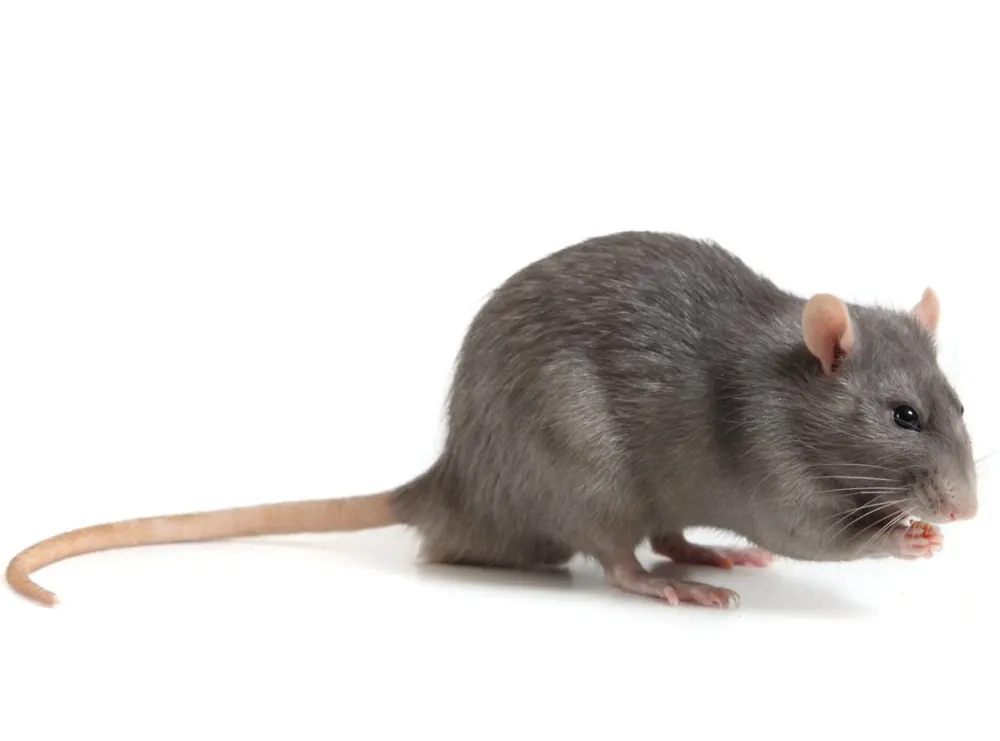
Rats in Summerstrand mostly come from one of two places: the drains, bins and service yards behind the beachfront businesses, or the roofs of houses where the wind has opened a gap. Getting rid of them means removing the rats already there and closing the route they used. Skip the second part and the next ones simply follow the same path in.
Beachfront rats and roof rats
The rats you see darting across a car park near the restaurants at night are usually Norway rats, the heavy brown ones. They live low down, burrow beside foundations and under paving, and travel through stormwater pipes and sewer lines. Grease traps, bin areas and food waste draw them in, and the hospitality strip offers plenty of all three.
The rats you hear running in your ceiling in the middle of the night are almost always roof rats. They're slimmer, climb well and reach roofs along branches, creepers, walls and cables. In Summerstrand, the wind does them a favour: years of strong gusts lift ridge tiles, crack the mortar under them and pull flashing loose, and a rat needs a gap only about the width of your thumb.
Signs you've got rats
- Thumping, running and gnawing in the ceiling, worst after dark
- Raisin-sized droppings in the roof, garage or behind appliances
- Dark, greasy rub marks along beams, pipes and the tops of walls
- Chewed electrical cables, geyser insulation or irrigation pipe
- Holes under paving or beside the slab, often with fresh sand pushed out
- Pet food bowls emptied overnight
How we get rid of them
We start with the roof, the eaves, the outside walls and the drain covers, looking for droppings, runways and the actual entry points. Then we set lockable, tamper-resistant bait stations along the routes the rats use, with traps inside where that's the better choice. Stations stay locked, so pets, children and wild birds can't reach the bait.
Then comes proofing. We'll show you every gap we found: the lifted tile, the open gable vent, the hole where the geyser overflow leaves the wall, the branch resting on the gutter. Some are quick DIY fixes, some need a roofer. We come back to check the stations and confirm the activity has stopped.
Why rats can take a few days to touch the bait
Rats are naturally wary of anything new on their route. A station that appears overnight is often ignored for a few days before they start feeding from it. That's normal, and it doesn't mean the treatment has failed. It's one reason we don't recommend moving stations around or giving up after two nights.
What people get wrong
Blocking the holes before the rats have been dealt with. Seal a rat inside a roof and it will chew its way out somewhere else, often through a ceiling board or into the kitchen. The order matters: treat, confirm the activity has stopped, then seal.
A Summerstrand tip
Check your roof after every serious blow, not just once a year. A tile that shifted in one storm can be a rat's front door within days. If you can see daylight from inside the roof space, a rat can get in there too. And if you keep fishing bait or fish scraps in the garage or a chest freezer outside, make sure it's sealed tight, because rats find it fast.
For restaurant and hotel owners
A once-off treatment rarely holds in a commercial kitchen near the beachfront, because new rats keep arriving from the drains and the neighbours' bins. A monitoring contract with stations checked on a schedule, and a record of each visit, keeps the numbers down and gives you something to show an inspector.
Student digs and rented houses
Older houses converted into student rooms often have years of small maintenance jobs left undone: a broken air brick, a missing vent cover, a gap where an old pipe was removed. Add bins that overflow before collection day and food left out in a shared kitchen, and rats move in quickly. Landlords who fix the gaps between tenants, and give the house proper lidded bins, see far fewer calls during the year.
What does it cost?
The cost depends on the size of the property, how established the rats are and how much proofing is needed. A house with a few roof rats and two loose tiles is a modest job. A restaurant with Norway rats in the drains needs ongoing monitoring. We'll quote once we've seen what's going on.
If the droppings are tiny, you may have mice rather than rats; see our mouse control in Summerstrand. For everything about rat behaviour and treatment, read our rat control guide or see rat control across the Bay. We also treat rats in Walmer roofs and gardens, and the Summerstrand pest control page covers the suburb's other pests.
Call 087 012 5550, or WhatsApp us a photo of the droppings or damage and we'll take it from there.
Questions we get asked
Why can I hear rats but never see them?
Roof rats stay in the ceiling and wall voids and travel at night. Hearing them is normal; seeing them in daylight usually means a large population.
How soon will the noise in the ceiling stop?
Usually within a couple of weeks, once the rats are feeding from the stations. Heavy infestations take longer, which is why we follow up.
Will there be a smell from dead rats?
Sometimes, if a rat dies in a void. Using stations rather than loose poison, and proofing promptly, reduces the chance. If it happens, the smell fades as the carcass dries out.
Should my neighbours treat for rats too?
It helps a lot if they have activity. Rats move between roofs and gardens, so a street-wide effort clears them faster than one house alone.
Do you deal with rats in restaurant drains and bin yards?
Yes. We set up stations around the service areas, treat along drain routes and put the business on a monitoring schedule.