
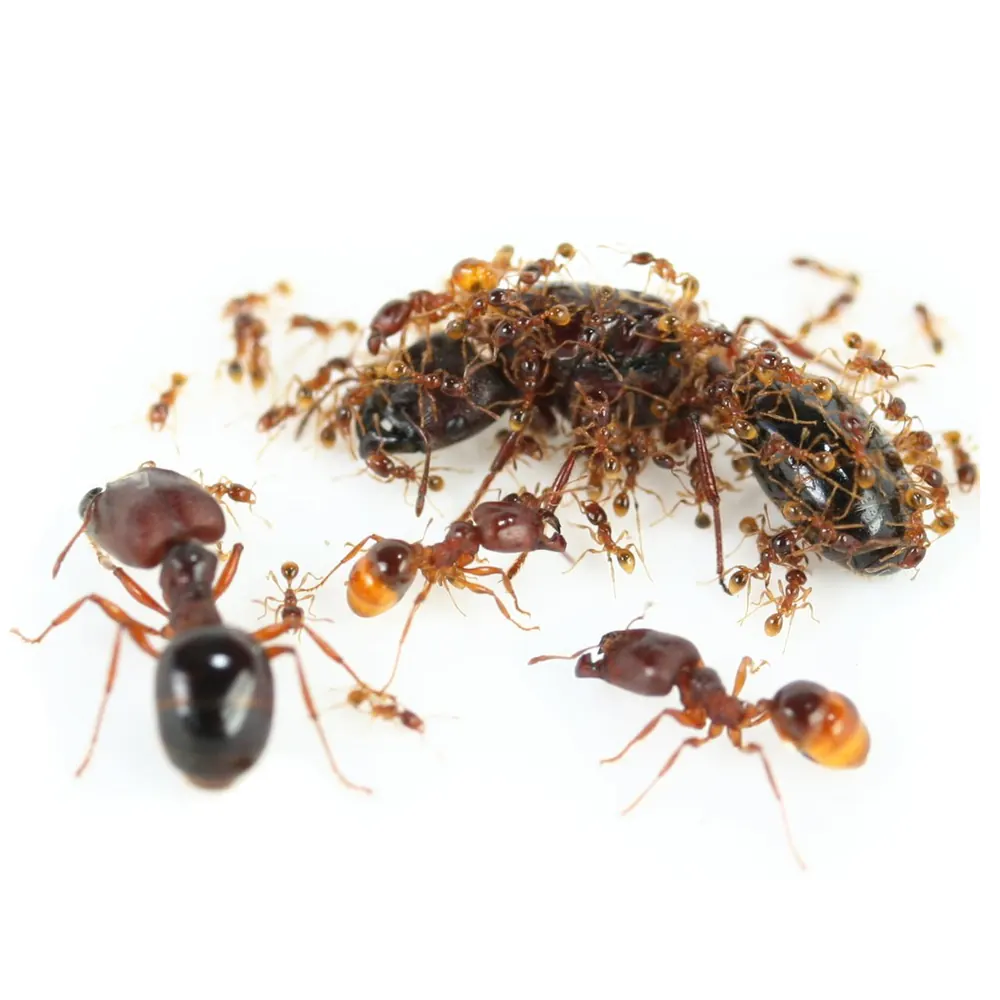
The right insect treatment depends entirely on which insect you have. A spray that knocks down flies does nothing for fishmoths in a wardrobe, and the bait that clears a kitchen of German cockroaches won't touch fleas in a carpet. So before we treat anything in your home or business, we identify it and find where it's breeding. Get those two things right and most insect problems in Port Elizabeth are very fixable.
Why insects never really take a break here
Gqeberha's climate is kind to insects. Winters are mild, there's no frost to knock populations back, and the sea air keeps humidity up most of the year. Inland, a cold snap kills off a lot of outdoor insects and slows the indoor ones. Here, cockroaches in a warm kitchen, fishmoths in a damp cupboard and fleas in a sheltered garden keep going through June and July.
The seasons still shift the mix. Summer brings flies, mosquitoes and wasps. Rain sends ants indoors looking for dry ground and food. Spring is when birds nest in roofs, and a few weeks later the bird mites come down into the bedrooms. If you know what time of year it is, you can often guess what someone is about to phone us about.
Three groups, three different approaches
It helps to sort insects by how they behave, because that decides how we treat them.
Crawling insects
Cockroaches, ants, fishmoths, and the beetles and earwigs that wander in from the garden. They live in cracks, voids and behind units, and they move along edges. Gel baits, ant baits and residual sprays applied to the places they travel are what work. Our crawling insect treatments in PE page covers this group in detail.
Flying insects
House flies, blowflies, fruit flies, mosquitoes and wasps. You can't bait the air, so the work is on the ground: finding the bin, drain, compost or standing water where they breed, then treating resting surfaces and nests. More on our page about controlling flies and other flying insects.
Biting insects
Bed bugs, fleas, bird mites and mosquitoes. These are the ones that send people to the doctor or the chemist first, and they're often confused with each other. The bites can look alike, but the source is completely different. See help with biting insects for how we tell them apart.
Signs worth paying attention to
- Small dark droppings, like ground pepper, in the corners of kitchen drawers or behind the fridge
- Insects running when you switch the light on at night
- Fine holes or scraped patches on paper, book bindings, wallpaper or stored clothes
- A steady line of ants that comes back every time you wipe it away
- Flies hanging around one particular spot, which usually means something is breeding nearby
- Itchy bites that appear overnight, or only in one room
- Paper nests under eaves, in sheds or behind gutters
How we handle an insect job
We ask questions first. Where did you see it, what time of day, how long has it been going on? Then we look: under sinks, behind appliances, inside cupboards, around drains and along the outside walls. For a business we'll also check storerooms, refuse areas and deliveries.
The treatment follows from what we find. We use gel baits for cockroaches, baits that ants carry back to their nest, odourless, non-staining residual sprays where a barrier is needed, and direct treatment of nests for wasps and bird mites. For normal insect treatments there's no need to move out. Keep children and pets off treated surfaces until they're dry. Some insects need a follow-up visit, mostly the ones whose eggs survive the first round.
A common mistake
Using a fogger or bug bomb. It fills the room, settles on every surface, and barely reaches the cracks where cockroaches and fishmoths actually live. People then think the insects are resistant, when really the product never reached them. Placing the treatment where the insect hides is what makes it work.
Prevention that suits Port Elizabeth
Damp is the thing to watch in a coastal city. A dripping geyser overflow, a leaking pipe under the basin or a cupboard against a cold outside wall creates exactly the moist, still corner that fishmoths and cockroaches look for. Fix the leak, open the cupboard doors now and then to let air through, and you remove a big part of the reason they're there. Bins with tight lids and drains kept clean do the same for flies.
What does insect control cost?
The price follows the job. One treatment for ants in a kitchen is small. A whole house with cockroaches through every room, or a restaurant that needs regular service, is bigger. The type of insect matters too, because some need a follow-up and some don't. We'll quote after an inspection. And if a problem is minor enough that better storage or a sealed gap will solve it, we'll say so.
For the background on how different insects live and breed, our insect identification and control guide is worth a read. We also have a page on insect problems in Newton Park homes and businesses.
Phone 087 012 5550 to arrange a visit, or WhatsApp us a photo of the insect and we'll tell you what it is.
Questions we get asked
Can one treatment get rid of all the insects in my house?
Usually not, because different insects need different products and placements. We can treat several at one visit, but each one is targeted separately.
Why do I see more insects in winter than I expected?
Because Port Elizabeth's winters are mild and humid. Indoor insects like cockroaches and fishmoths stay active, and rain pushes ants inside.
Do insect sprays leave a smell?
The residual sprays we use are odourless and non-staining. Once they're dry you won't notice them on skirtings or walls.
Should I clean before you come?
Do a normal tidy, but don't scrub or spray beforehand. We need to see droppings, trails and damage to work out where the insects are coming from.
Do you treat insects in factories and warehouses?
Yes. We work in industrial sites, warehouses and food businesses across the Bay, often on a regular service schedule.