
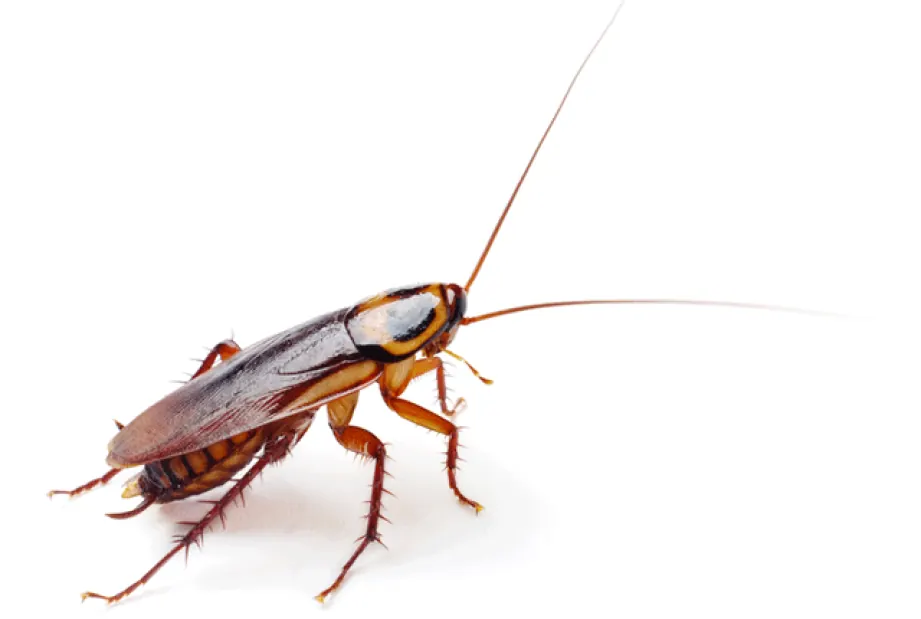
Crawling insects in Jeffreys Bay almost always come in at ground level, so that is where we start. Ants, cockroaches, fishmoths, beetles and the occasional scorpion all travel along floors, skirting boards, door tracks and pipes. If you know where they are coming in and where they shelter, you can treat a small, precise area and get far better results than spraying every room.
Why J-Bay homes are easy to walk into
A lot of houses here are built for beach living: sliding doors to a deck, outdoor showers, braai areas, garages full of boards and wetsuits, and gardens that run straight into dune vegetation. That lifestyle is great for people and handy for insects.
- Sandy soil is easy for ants to dig in, so colonies sit right under paving and against foundations.
- Fynbos and dune bush on the boundary shelter beetles, spiders and scorpions that wander onto patios at night.
- Outdoor showers and drains stay damp, which suits cockroaches and fishmoths.
- Ground-floor guesthouse rooms and flats with doors onto the garden get the first visitors.
What we usually find
Ants
The most common crawling insect complaint in town. Trails run from cracks in paving into kitchens, bathrooms and sometimes plug points. For the full story, see our page on ant treatment in Jeffreys Bay.
Cockroaches
Small German cockroaches indoors, especially in kitchens with a lot of guests coming and going, and big American cockroaches arriving from drains at night. They need very different treatments, so identification matters. Our J-Bay cockroach control page goes into the detail.
Fishmoths
Silvery, fast and found in cupboards, bookshelves and boxes, especially in holiday homes that stay closed for long stretches.
Spiders, scorpions and beetles
Mostly outdoor animals that come in by accident. A barrier treatment at the doors and along the walls cuts down how many make it inside.
Signs to look for
- Small heaps of fine sand pushed up between pavers or at the base of walls
- Droppings like ground pepper in the corners of kitchen cupboards
- Insects in the bath or shower in the morning
- Tiny holes or grazed patches on wallpaper, book covers or stored linen
- Ant trails that reappear in the same place no matter how often you wipe them
How we treat crawling insects
- Inspection. We follow the insects back to where they shelter: under paving, behind kitchen units, in the geyser cupboard, around drains and along the outside walls.
- Baits indoors. Gel baits for cockroaches and ant baits for ants, placed in cracks where the insects feed and carried back to the colony.
- Targeted residual spray. Odourless, non-staining product applied to voids, crevices, drain surrounds and door thresholds.
- Perimeter barrier. Around the outside of the house, particularly on the side facing the dunes or bush.
- Follow-up if eggs or a second generation are likely.
Nobody needs to leave the house. Just keep children and pets off sprayed areas until they have dried.
Guesthouses, flats and holiday complexes
Where several units share walls, plumbing and a garden, crawling insects move freely between them. Cockroaches follow pipe ducts from one kitchen to the next, and an ant colony under a shared courtyard can feed half a dozen units at once. Treating a single unit tends to push the problem next door for a few weeks before it comes back. If you manage a complex or run a guesthouse, it is far more effective to treat the whole property together, including bin areas, laundries and outdoor shower blocks, and to keep a regular schedule through the busy months. Our pest control for Jeffreys Bay properties page explains how those contracts work.
A local tip
Look at the gap under your sliding doors and the drainage holes in the door track. In a beach house these fill with sand and crumbs, stay damp from wet feet, and give ants and cockroaches a sheltered route straight inside. Vacuum them out often and seal any gap under the frame.
The mistake we see
Spraying ant trails with a supermarket aerosol. It kills the workers you can see and leaves the nest untouched, and some sprays make ants avoid the area and split into new trails elsewhere. With ants and cockroaches, a bait they carry home is what clears the colony.
What does it cost?
The price depends on which insects are involved, how large the property is and how far they have spread. A single kitchen with one ant problem can sometimes be handled with good DIY baits, and we will say so. A guesthouse with cockroaches in several rooms, or a home needing a full perimeter barrier, is a bigger job. We quote once we have inspected. For more background, read our guide to crawling insects, or see how we handle crawling insects in Walmer on the Port Elizabeth side.
Call 087 012 5550, or WhatsApp us a photo of the insect and where you found it.
Questions we get asked
Why do I find insects in the bath every morning?
They usually come in through drains or gaps around pipes at night and get trapped on the smooth surface. It points to an entry point nearby, often the drain or the wall behind the bath.
Does a perimeter treatment keep insects out completely?
No, but it cuts down the numbers a lot. It works best combined with sealing gaps under doors and around pipes.
Are the baits safe if I have small children?
Gel and ant baits are placed in cracks and inside cupboards, out of reach. We show you where they are so you can keep an eye on them.
Can sand really bring insects into the house?
Indirectly, yes. Sand that builds up in door tracks and under kick plates traps crumbs and moisture, which gives ants and cockroaches food and cover.
How soon will I see a difference?
Ant and cockroach numbers usually drop within days to a couple of weeks, depending on how big the colony is.