
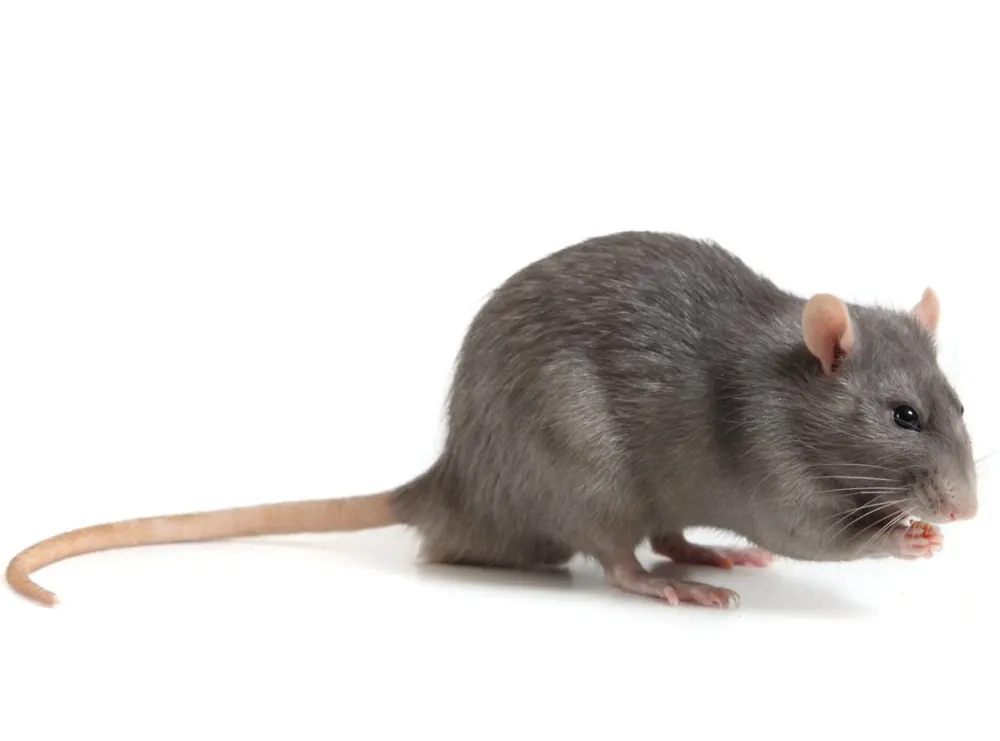
If you're hearing scurrying and gnawing in the ceiling of a Mill Park house at night, you almost certainly have roof rats, and they almost certainly came in from above. The suburb's tall old trees and wide roofs make it easy for them. Getting rid of them means removing the rats already living up there, then cutting off the route from the trees and closing the gap they used.
How rats get from the garden into your roof
Roof rats, also called black rats, are excellent climbers. They run up tree trunks, along branches, across walls and along power and telephone lines. In a garden with a large tree beside the house, a branch resting on the roof or hanging over the gutter is a bridge straight onto the tiles.
From there they look for any opening. In older Mill Park roofs, common ones include gaps where the fascia board has rotted or pulled away, spaces under ridge and edge tiles that the wind has lifted, open eaves without bird mesh, and holes where old aerials, pipes or cables once came through. A rat needs a gap not much wider than a thumb.
Once inside, a large roof void gives them room to nest in the insulation, travel along beams and come down inside wall cavities to reach the kitchen.
Signs it's rats and not something else
- Heavy running and scratching overhead, mostly from dusk until the early hours
- Droppings in the roof space about the size of a raisin, often along beams
- Dark, greasy rub marks on beams, around the trapdoor or at the eaves
- Chewed electrical cable insulation in the roof, which is a real fire risk
- Gnawed fruit in the garden, especially avocados, citrus and figs
- Pets fixed on one corner of the ceiling
Lighter, quicker scratching and rice-sized droppings in kitchen drawers point to mice instead. Our page on mice in Mill Park homes explains the difference in treatment.
What we do about it
- Roof and garden inspection. We go into the roof space to find nests, runways and droppings, then walk around outside to match them to entry points and the branches leading to them.
- Bait stations and traps. Lockable, tamper-resistant bait stations go on rat runways in the roof and around the outside of the house. Inside living areas we use traps or stations depending on the situation. Tracking powder in the roof can show us exactly where they're travelling.
- A proofing list. We show you every gap and every overhanging branch. Some of it is ladder work you can do; some needs a roofer or tree feller.
- Follow-up visits to check the stations and confirm the roof has gone quiet.
The tree tip that matters most here
Cut branches back so there's a clear gap all round the roofline, enough that a rat can't jump it. You don't need to lose the tree; you just need to stop it touching the house. In Mill Park this one step often cuts rat activity more than any amount of bait, and it helps keep your gutters clear too.
What people get wrong
Proofing before the rats are out. If you seal the roof while rats are still nesting inside, they'll chew a new way out, often through a ceiling board into a bedroom, or die in the roof. The order is: treat, confirm activity has stopped, then seal. We'll tell you when it's time.
Guesthouses and offices in converted homes
A rat running across a guesthouse ceiling at night is the last thing a guest wants to hear. For businesses in older Mill Park houses we usually set up ongoing monitoring with stations in the roof and around the building, checked on a schedule, so a new rat is caught before it settles.
What does it cost?
The main factors are the size of the roof, how many rats are present, how many entry points there are and whether we need to come back several times. A single-storey home with one obvious entry point near a tree is a fairly straightforward job. A large house with several open eaves and branches touching on two sides takes longer. We'll quote once we've been up into the roof.
For the broader picture see our main rat control page for Port Elizabeth and the rat biology and control guide. We also deal with roof rats in leafy Walmer, and the Mill Park pest control page covers the area's other pests.
Call 087 012 5550 to book a roof inspection, or WhatsApp us a photo of the droppings and we'll confirm whether it's rats.
Questions we get asked
Will cutting back my trees really keep rats out?
It removes their easiest route onto the roof, which makes a big difference. Rats can still climb walls or use power lines, so it works best alongside sealing the gaps.
Are rats in the roof dangerous?
They can be. They chew electrical wiring, which is a fire risk, and their droppings and urine contaminate insulation and anything stored up there.
Do I have to go into the roof myself?
No. We do the roof inspection and place the stations. All you need to do is make sure we can get to the trapdoor.
When can I seal the gaps?
Once activity has stopped and our follow-up confirms it. Sealing too early can trap rats inside.
Why are the rats eating my avocados?
Roof rats love fruit, and fruit trees close to the house keep them fed. Picking fruit as it ripens and clearing windfalls helps.
Can you put stations in a guesthouse roof without disturbing guests?
Yes. Most of the work is in the roof space and outside, and we can time visits for quieter parts of the day.