
Crawling insects are the easiest pests to see and the hardest to reach. Cockroaches, ants, fishmoths and the like spend most of their time inside cracks, wall voids, cupboard backs and pipe ducts, and only come out to feed. So the way to clear them is not to chase the ones on the floor, but to put the right treatment where they live and travel. That's what this page is about.
The usual suspects in PE homes and buildings
- German cockroaches: small, pale brown, living indoors in kitchens and bathrooms. The fastest breeder of the lot.
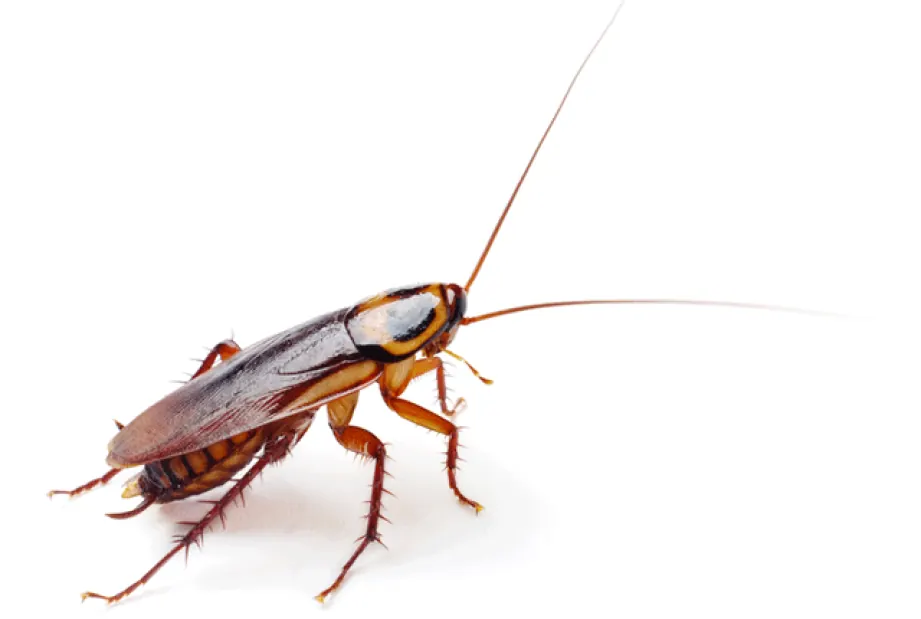
- American cockroaches: large, reddish-brown, coming up from drains, manholes and outside.
- Ants: from tiny brown house ants trailing to the sugar bowl to bigger ants nesting under paving and in wall cavities.
- Fishmoths: silver, carrot-shaped, quick, and fond of paper, starch and damp cupboards.
- Beetles, earwigs and millipedes: mostly garden creatures that wander in, especially after rain or when lights draw them to doors at night.
Spiders and scorpions crawl too, of course, but they're hunters rather than scavengers and we treat them a little differently.
Why the Bay suits them
A coastal city without frost means crawling insects never have to sit out a hard winter. Humidity from the sea keeps cupboards, ceilings and bathroom voids slightly damp, which fishmoths and cockroaches love. Older homes have more cracks, wooden floors and gaps behind built-in units, while flats and student blocks share plumbing and electrical ducts, letting insects walk from one unit to the next without ever going outside.
Commercial kitchens, food stores and packhouses are the other big area. Wherever food is prepared or stored, crawling insects will try to move in, and they can arrive in deliveries and packaging.
How to tell what you've got
Look at when and where you see them. Insects that scatter when you turn on the kitchen light at night are almost always cockroaches. A neat line from the garden door to the pantry is ants. Something silver vanishing behind a picture frame or into a bookshelf is a fishmoth. Droppings help too: cockroach droppings look like black pepper or small smears along hinges and the top of door frames.
If you're stuck, a photo is enough for us to identify most crawling insects.
How we treat crawling insects
- Inspection. Under sinks, behind and under appliances, inside the dishwasher and stove housings, around the geyser, along skirtings and in the garden near the walls. We're looking for nests, droppings, trails and damp.
- Baits for social insects. Cockroaches and ants share food. Gel baits placed into cracks and crevices, and ant baits laid along trails, get carried back to the colony. That's how you reach insects you'll never see.
- Residual sprays. An odourless, non-staining residual spray goes along skirtings, behind units, into cupboards for fishmoths and around the outside walls as a barrier against insects walking in from the garden.
- Follow-up. Cockroach egg cases survive a first treatment, so for established infestations we come back to catch the next hatch.
You don't need to leave home. Keep children and pets off treated surfaces until they're dry.
The most common mistake
Spraying ants on the trail. It feels like it works because the line disappears, but the nest is untouched and often splits into several smaller nests that pop up in new places. The same goes for spraying cockroaches you see: it kills a few and drives the rest deeper. Baits look slower but they actually finish the job. If you've already sprayed, tell us, because it affects where we place bait.
Prevention with a local twist
In Port Elizabeth, the wind blows a surprising amount of sand and leaf litter against doors, air bricks and the base of walls. That little bank of debris gives crawling insects a sheltered highway straight to the gap under the door. Sweep it away regularly, keep plants and mulch from touching the walls, and seal the gap under external doors with a brush strip. Inside, fix leaks under sinks and don't leave pet food out overnight.
Homes and businesses need different plans
In a house, crawling insects are usually a once-off problem with a clear cause: a leak, a gap under the door, a second-hand appliance that brought cockroaches in. We fix the cause, treat, and follow up if the pest calls for it. In a restaurant, a food factory, a warehouse or a packhouse, new insects arrive all the time in deliveries, crates and pallets. There the aim is to stop them settling, which means a scheduled service with regular inspections, treatment of the risk areas and a record of every visit for your audits. For a body corporate or landlord, treating the whole building at once beats treating one flat at a time.
What does it cost?
It depends on which insects, how far they've spread and how big the property is. Ants in one kitchen is a small job; German cockroaches through a whole house or a block of flats is a bigger one and usually needs a follow-up. Food businesses do best on a regular service. We'll give you a quote once we've seen the place, and if a bit of sealing and cleaning will sort a minor problem, we'll tell you.
Read more about the pests themselves in our guide to crawling insects, or go straight to ant treatments around Port Elizabeth, dealing with fishmoths or cockroach control in the Bay. If you're in one of the older central suburbs, see crawling insects in Mill Park.
Call us on 087 012 5550, or WhatsApp us a picture of what's running around and we'll take it from there.
Questions we get asked
Why do I see more cockroaches after a treatment?
For a few days that's normal. The bait draws them out of hiding and affected insects wander in the open. Numbers should drop clearly after that.
Can crawling insects come from my neighbour's flat?
Yes. Cockroaches and ants move through shared pipe ducts, wall voids and electrical conduits, which is why treating a whole block works better than one unit.
Will a barrier spray stop garden insects coming in?
It cuts them down a lot. Combined with sealing door gaps and keeping mulch off the walls, most homes see far fewer beetles, earwigs and millipedes indoors.
Is it safe to treat a kitchen where we cook?
Yes. Gel baits go into cracks and crevices away from food surfaces, and we'll tell you what to cover or put away before we start.
Are millipedes and earwigs harmful?
No, they're a nuisance rather than a danger. They come in from damp gardens, so moisture and debris near the walls are the things to fix.