
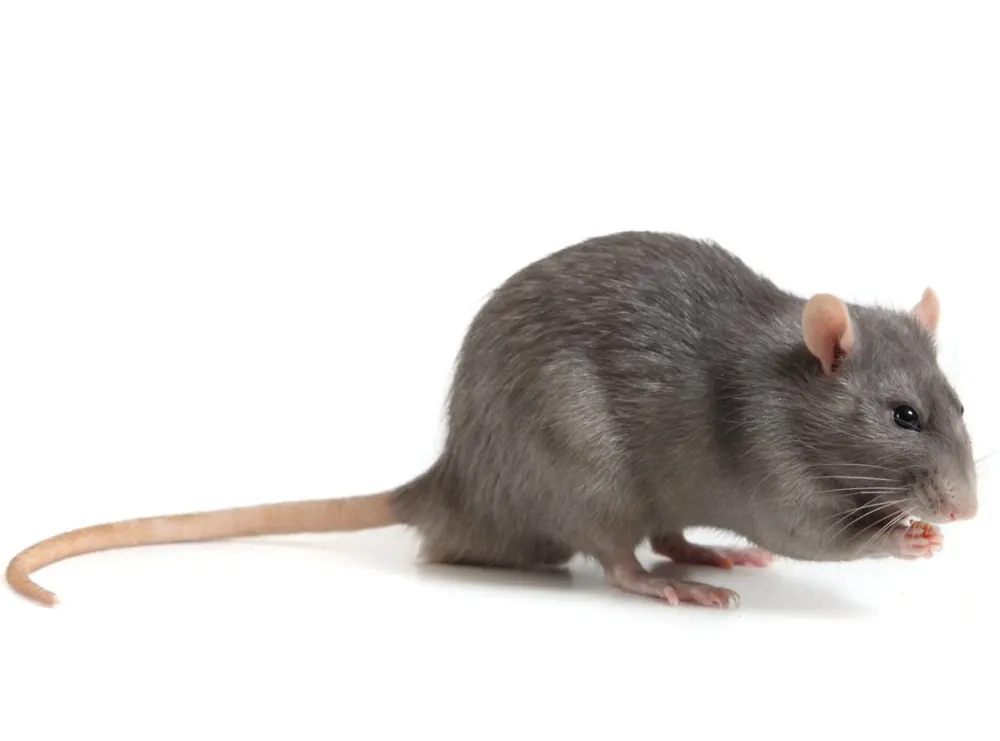
Rats on a Despatch property usually have two things sorted: a reliable food source and a safe place to sleep. Take away either and they struggle. Take away both and close the way in, and they're gone for good. That's the job, and it starts with working out which kind of rat you've got.
Roof rats and river rats
We see both of the common species in Despatch, often on the same property.
Roof rats (black rats) are agile climbers. They come in along fences, washing lines, electric cables and branches that touch the roof, and slip in under loose tiles or at the eaves. If you hear quick scampering above the ceiling after dark, that's them.
Norway rats (brown rats) are bigger and stay low. They burrow under paving, garden sheds, concrete slabs and chicken runs, and they're comfortable along waterways and stormwater drains. Homes closer to the Swartkops River tend to see more of these, because the riverbank vegetation and drainage give them cover and easy movement.
What rats are after in Despatch
Despatch is a town of family homes and bigger plots, and the things that make it a good place to live make it attractive to rats too. Chickens are the biggest draw we see: spilled feed, eggs, and a run with an earth floor that's easy to burrow under. Dog food left in the bowl overnight is next, followed by fruit trees, vegetable gardens and compost.
Shelter is rarely a problem for them. Garages full of boxes, wendy houses with a gap under the floor, old trailers, piles of bricks and timber at the back of the yard: all good rat accommodation.
Signs to look for
- Scratching, gnawing or running in the ceiling at night
- Large, dark droppings along walls, in the garage or near feed
- Burrows about the width of a fist under paving, slabs or the chicken run
- Eggs disappearing or chickens unsettled at night
- Gnawed irrigation pipes, feed bags or cables
- Dark, greasy smudges along beams, walls and pipes where they travel
Why it's worth acting quickly
Rats breed fast when food is easy, and a few rats under a chicken run can become a colony in one season. They also cause damage that costs money: chewed wiring in the roof, gnawed irrigation and gas pipes, spoiled feed and contaminated food stores. Their droppings and urine carry germs onto surfaces, feed and water, which matters with children and animals around. The sooner you act, the smaller the job.
How we get rid of them
- Inspection. We follow the evidence from feeding spots back to nests and entry points, checking the roof space, outbuildings, runs, drains and the boundary.
- Placing stations. Lockable, tamper-resistant bait stations go along the routes rats actually use, secured so chickens, dogs and kids can't get into them. Traps are used inside where we don't want rats dying in the ceiling.
- Proofing. We point out every way in. Cutting branches back from the roof, closing gaps at the eaves, fixing broken air bricks and laying wire mesh under the chicken run floor all make a big difference.
- Follow-up. We come back to check bait take and confirm the activity has stopped. On smallholdings, ongoing monitoring stops a new population moving in.
What people get wrong with rats
Only dealing with the rats in the roof. If rats are feeding at the chicken run every night and sleeping in the ceiling, clearing the ceiling just makes space for the next ones. The food source outside has to be dealt with at the same time, or you'll be calling again in a few months.
A Despatch tip
Bury a strip of strong wire mesh around the base of your chicken run, folded outwards at the bottom. Norway rats dig straight down along the fence and the mesh stops them. Collect eggs every day and sweep up spilled feed before dark, so there's nothing on offer at night.
What does rat control cost?
It depends on how many rats there are, which species, the size of the property and how much proofing is needed. A family home with a couple of roof rats is quick to sort out. A smallholding with burrows under several outbuildings takes more visits and usually works best on a monitoring schedule. We quote once we've seen the property.
More on rats
If you want to understand how rats breed and why they're hard to get rid of, our complete rat control guide covers it. For the wider metro, see rat control across Port Elizabeth. We also deal with rats in Bluewater Bay homes further down the river. If it turns out you've got mice rather than rats, have a look at our page on mouse problems in Despatch.
Call us on 087 012 5550, or WhatsApp a photo of the droppings or burrow and we'll tell you what you're dealing with.
Questions we get asked
Will rats hurt my chickens?
They can. Rats take eggs and chicks and sometimes injure sleeping birds, and they contaminate feed. That's one more reason to deal with them quickly.
How do rats get into the roof?
Usually by climbing a tree, fence or cable and slipping in through gaps at the eaves or under loose tiles.
Are rats near the Swartkops River worse?
Properties close to the river can see more Norway rats, because the vegetation and drainage give them cover. The treatment is the same: stations, proofing and removing food.
How long does it take to get rid of rats?
Most homes see activity drop within one to two weeks. Bigger properties with several buildings can take longer, which is why we follow up.
Can I use the poison from the shop?
We'd advise against throwing it loose. It ends up where pets and chickens can reach it, and rats often die in the walls. Bait should always be in a locked station.