
If flies or mosquitoes keep filling the house no matter how many you kill, there's a breeding site close by. Every adult fly you swat started life in a bin, drain, compost heap, pet run or pool of rotting food, and every mosquito in a puddle, gutter or container of still water. Flying insect control in Port Elizabeth is mostly detective work on the ground, followed by targeted treatment. The insects in the air are the last part of the problem, not the first.
What's flying around PE properties
House flies and blowflies
House flies breed in rotting food, manure and wet rubbish. Blowflies, the big metallic green and blue ones, breed in meat scraps, dead animals and pet food. A sudden swarm of blowflies indoors often means a rodent has died in the roof or a wall.
Fruit flies and drain flies
Tiny flies hovering over the fruit bowl, the recycling bin or the sink. Fruit flies breed in ripe fruit and the film of sugar and yeast that builds up in bins and bottles. Drain flies, which look like tiny furry moths, breed in the slime inside drains and floor traps. Bars, restaurants and kitchens see a lot of both.
Mosquitoes
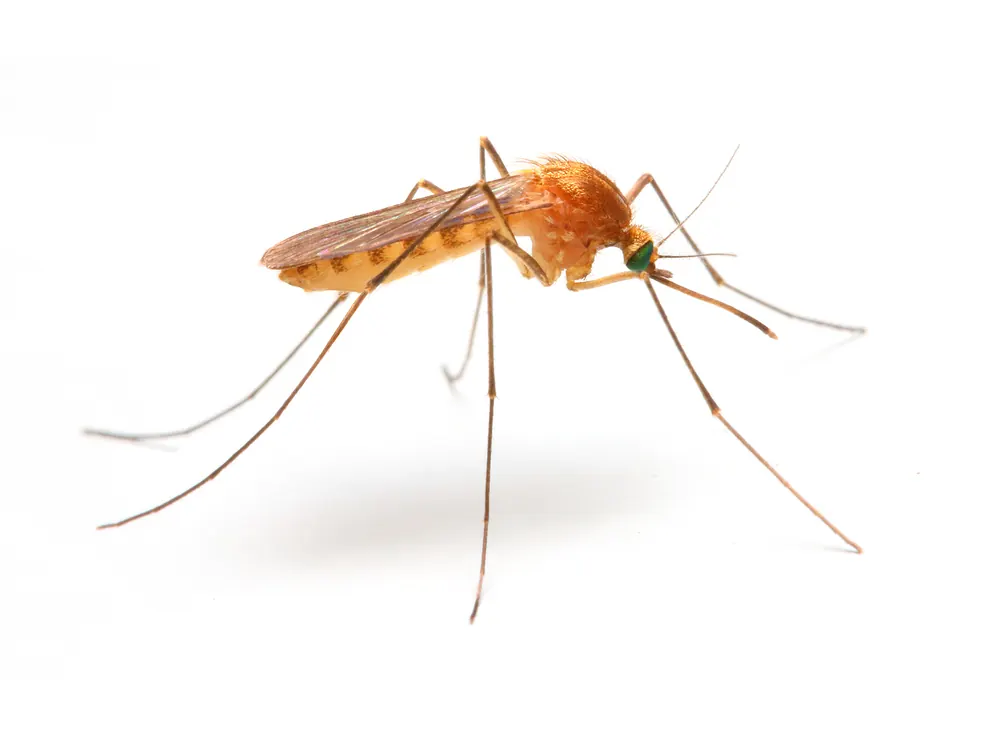
They need standing water to breed, and not much of it. A blocked gutter, a pot plant saucer, an old tyre or an uncovered rain tank is enough. Areas near rivers, vleis and estuaries tend to have more.
Wasps
Paper wasps build nests under eaves, in sheds and in shrubs. They're flying insects too, but treating them means dealing with the nest, so they have their own page on removing wasp nests in PE.
Why flying insects are a year-round issue here
Summer is the peak, with hot days in the northern areas and inland towns pushing fly numbers right up. But because Port Elizabeth doesn't get a hard frost, flies keep breeding in sheltered spots like refuse rooms and drains well into winter. The wind plays a part too. It blows flies off open ground and into sheltered courtyards, kitchens and loading bays, which is why a windy day often seems to bring more indoors.
Food businesses: a special case
For restaurants, takeaways, food factories and packhouses, flies are a hygiene problem with real consequences. They land on waste, then on food and work surfaces. Here a once-off treatment isn't enough. We set up a scheduled service that looks at waste handling, drains and door management, treats resting areas, and keeps a record of every visit so you have it for audits.
How we deal with flying insects
- Find the breeding site. Bins and refuse areas, drains and grease traps, compost, animal enclosures, gutters, ponds and anything that holds water. For blowflies indoors, we look for a dead animal.
- Remove or treat it. Some sources just need cleaning out or emptying. Others, like drains and grease traps, need treatment as well as cleaning.
- Treat resting surfaces. Flies rest on walls, ceilings, window frames and around light fittings. An odourless, non-staining residual spray on these surfaces kills them when they land.
- Advise on keeping them out. Screens, self-closing doors, bin placement and drain cleaning routines.
Signs the source is close by
- Flies gathering around one door, window or corner rather than spread through the house
- Small white maggots in or under the wheelie bin, or near a pet's feeding area
- Tiny flies rising from the sink, shower or floor drain when you run water
- Mosquitoes worst in one room, often the one nearest a gutter, water feature or pot plants
- A sudden rush of large blowflies, sometimes with a bad smell from the ceiling or a wall
- Dark specks of fly spots on light fittings, window frames and the tops of door frames
Each of those points us to a particular area to check before we even open the toolbox.
Homes versus commercial sites
At home, flying insect problems are usually seasonal and tied to one source. Clearing that source and treating resting areas tends to sort it. On a commercial site, the source keeps getting topped up: there's always fresh waste, always deliveries, always doors opening. That's why restaurants, food processors and warehouses with canteens are better served by a regular visit than by a call-out each time flies get bad.
Where people go wrong
Buying more and more fly spray. Aerosol knockdown sprays kill what's in the air for a few minutes and leave the breeding site untouched. Within days, a new batch hatches. The other common mistake is pouring bleach down a drain to fix drain flies. Bleach rushes past the slime layer where the larvae live; scrubbing the inside of the drain does more.
A prevention tip for the Bay
After a big blow, check your gutters. Port Elizabeth's wind drops leaves and sand into gutters and downpipes, and the next rain turns them into small, stagnant pools that mosquitoes breed in for weeks. A cleared gutter is one of the cheapest mosquito controls there is.
What does flying insect control cost?
For a house, it depends on what's breeding and how much treatment is needed. Sometimes we find the source and the fix is cleaning, not chemicals, and we'll tell you so. For businesses, the cost depends on the size of the premises, the type of food handling and how often we visit. We'll quote after we've looked at the site.
Our flying insect guide covers life cycles and identification in more depth. If it's bites rather than buzzing that's bothering you, see our biting insect service. For homes near the Swartkops River, there's also a page on flies and mosquitoes in Bluewater Bay.
Call 087 012 5550 to book, or WhatsApp us a photo of the flies and where you're seeing them.
Questions we get asked
Why do I suddenly have big blowflies inside?
Most often because something has died nearby, usually a rat or mouse in the roof or a wall cavity. The flies breed in the carcass, so it needs to be found and removed.
How do I get rid of tiny flies around my sink?
They're usually drain flies breeding in the slime inside the drain. Scrub the inside of the drain and the trap; bleach alone rushes past them.
Can you get rid of mosquitoes completely?
Not completely outdoors, but you can cut them down a lot by removing standing water and treating resting areas around the house.
Do restaurants need regular fly control?
Yes. Food premises need ongoing control of flies, with attention to waste areas and drains, and records of each service visit.
Is the spray safe on my patio and walls?
Yes, once it's dry. Keep children and pets off treated surfaces until then. It's odourless and won't stain paint or brick.
Do electric fly killers work?
They help catch flies indoors, especially in food businesses, but they don't stop breeding. They work best alongside removing the source.