
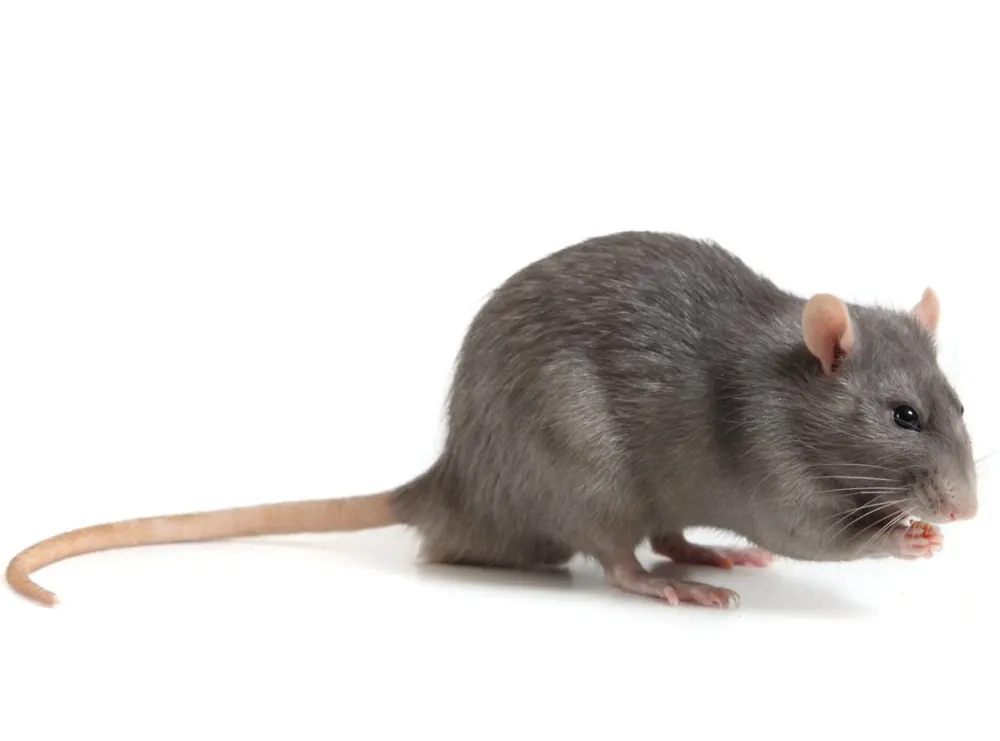
The rat in your Walmer ceiling is almost certainly a roof rat, and it almost certainly came in from above, not from the ground. Roof rats are agile climbers that live in trees, creepers and roof spaces. Walmer's mature trees, many of them planted when the houses were built, now reach right over the roofs and give rats a direct path to the eaves. Removing the rats is the first half of the job. Breaking that path is the second, and it's the half that keeps them gone.
How roof rats get into Walmer homes
We see the same routes again and again:
- Branches resting on the roof or gutters. A rat can run along a branch and step straight onto the tiles.
- Creepers and climbers on walls, pergolas and chimneys. Thick ivy or bougainvillea is a ladder with cover.
- Lifted or broken tiles. Older roofs that have taken years of Port Elizabeth wind often have tiles that have shifted, cracked ridge mortar or gaps at the gable end.
- Open eaves where the fascia board has rotted or the gap between the wall and the roof was never closed.
- Joins between old and new roofs where a house has been extended.
Once in the roof, rats nest in the insulation, chew wiring and leave droppings and urine through the ceiling space. They come down at night to feed in the garden and go back up before dawn.
What it sounds and looks like
Roof rats are noisy. The sound is heavier than a mouse, with running, scratching and sometimes gnawing, usually starting soon after dark and again before sunrise. Other signs include raisin-sized droppings in the roof space or on top of cupboards, greasy smudges where they squeeze past the same beam every night, gnawed fruit still hanging on the tree, and dogs barking at the ceiling or a particular tree.
How we get rid of them
- We go up into the roof. Where it's safe to access, we check for nests, droppings, damage and the exact entry point.
- We walk the garden and look at which trees and creepers connect to the roof, and where the rats are feeding.
- We set lockable bait stations along the routes they use, including in the roof space where appropriate, and traps where bait isn't the right choice. Stations keep the bait away from pets, children and the owls that hunt in Walmer's trees.
- We tell you which branches to cut and which gaps to close. Some you can do yourself, some need a tree feller or a roofer.
- We come back to check the stations and confirm activity has stopped.
The Walmer tip: give your roof a gap
Have every branch near the house cut back so there's a gap of at least a metre, ideally more, between the canopy and the roof or gutters. Rats can jump a short distance, so a branch hovering just above the tiles still counts. Do the same for creepers on walls near the eaves. It's the single most effective thing a Walmer homeowner can do about roof rats, and often the cheapest.
What most people get wrong
Throwing poison into the ceiling and closing the hatch. Rats eat it, then die out of reach in a wall cavity or under the insulation, and you live with the smell for weeks. Meanwhile the branch is still on the roof, so new rats arrive within months. Loose poison is also a danger to dogs, cats and birds of prey. Controlled stations and proofing work far better.
Don't confuse them with mice
Lighter, faster scuttling in a kitchen or pantry is more likely to be mice, which get in at ground level and need a different approach. See our page on mice in Walmer houses if that sounds more like your problem.
What does it cost?
It depends on the size of the roof, how established the rats are, how many entry points there are and how many follow-ups are needed. A single entry point from one tree is a fairly simple job. A large older home with several trees on the roof, outbuildings and an extension join takes more. The cost of tree cutting or roof repairs is separate. We quote once we've inspected.
For more on how rats breed and why they're hard to shift, read the complete rat control guide, or see our main rat control service in Port Elizabeth. Next door, we handle rat problems in Summerstrand too, and our Walmer pest control page covers other common pests here. Call 087 012 5550, or WhatsApp us a photo of the droppings.
Questions we get asked
Will cutting back my trees really stop rats?
It removes the main way roof rats reach Walmer roofs, so it makes a big difference. It works best combined with treatment and closing any gaps in the roof.
How far back should branches be cut?
Aim for at least a metre between branches and the roof or gutters, and more if you can. Rats can jump a short gap.
Is it dangerous to have rats in the roof?
It can be. They chew electrical wiring, which is a fire risk, and their droppings and urine contaminate insulation and the ceiling space.
Can you get rid of the smell if a rat dies in the roof?
If we can find and reach it, we remove it. If it's inside a wall cavity, the smell usually fades on its own within a few weeks.
Do owls in the area help?
Owls eat rats, and they're one reason we only use bait in lockable stations and never loose poison.