
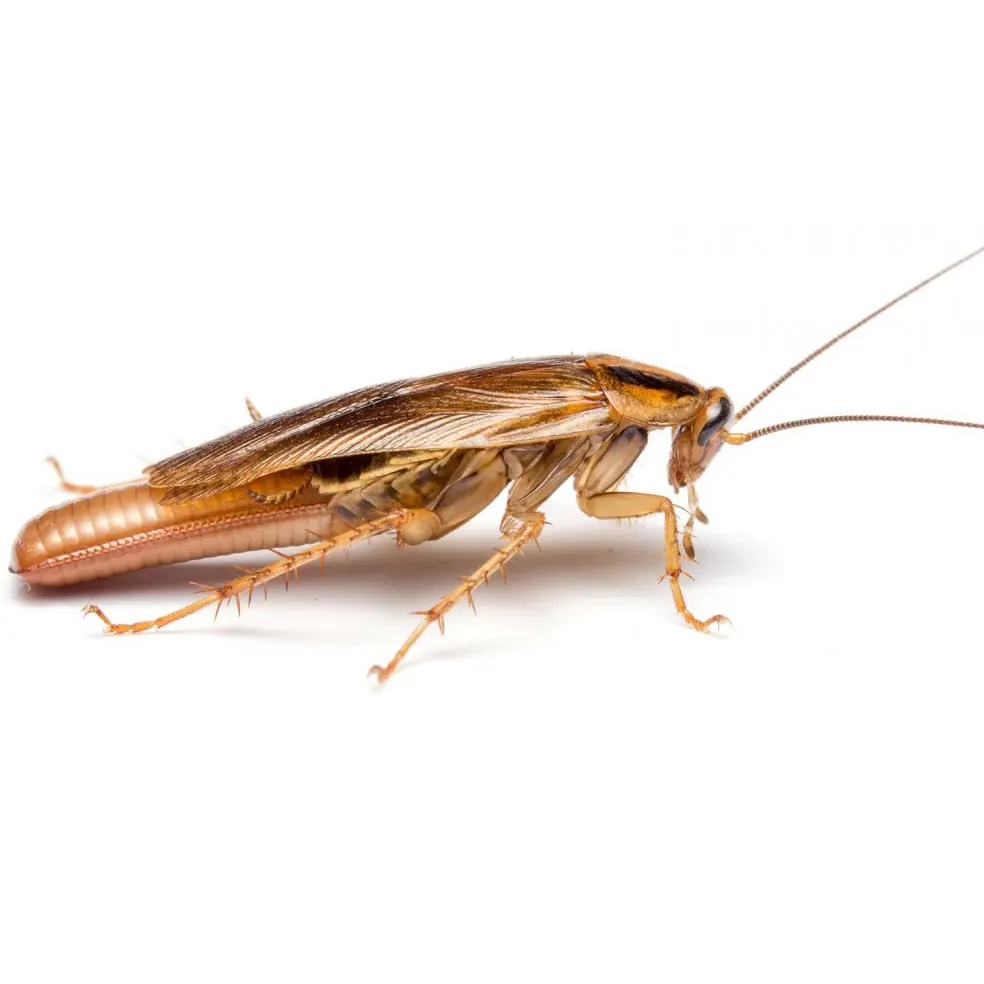
Cockroaches in Jeffreys Bay are very treatable, as long as you go after where they breed and not just where they run. In most of the kitchens we see here, that means gel bait in the right cracks for the small indoor species, and a targeted treatment of drains and outside areas for the big ones. Get the identification right and the rest follows.
How cockroaches spread in a holiday town
J-Bay has a lot of accommodation for its size: guesthouses, backpackers, self-catering flats, holiday homes let through agents, and family houses that fill up with visitors every summer. That means a steady flow of luggage, cooler boxes, grocery bags and cardboard boxes coming in from everywhere. German cockroaches and their egg cases hitch a ride in exactly those things, and in second-hand fridges, microwaves and kitchen furniture bought for rental units.
Once inside, they settle into the warmest, most sheltered spots in the kitchen. In a self-catering unit that is used hard for weeks and then left alone, they have both the crumbs of the busy season and the peace of the quiet one.
The two you are most likely to see
- German cockroach. Small, light brown, with two dark stripes behind the head. Lives indoors in kitchens and bathrooms, near warmth and moisture. Breeds fast, and a few quickly become hundreds. This is the one that infests guest kitchens and takeaways.
- American cockroach. Large, reddish-brown, can fly short distances. Lives in drains, sewers, garden debris and outbuildings, and comes inside at night through floor drains and gaps under doors. Common around outdoor showers and bin areas.
Signs of a cockroach problem
- Insects scattering when you switch on a kitchen light at night
- Black, pepper-like droppings in cupboard corners and drawer runners
- Brown egg cases tucked behind appliances or inside hinges
- A musty, oily smell in a cupboard that has had a heavy infestation
- Big cockroaches in the bath, shower or near a floor drain in the morning
How we treat
- Hotspot inspection. Behind and under the fridge and stove, inside the motor housing of appliances, under the sink, in the geyser cupboard, around the dishwasher and in the drains.
- Gel baiting. Small spots of gel go into the cracks and crevices German cockroaches use. They feed, go back to shelter and pass the bait on to others. This is what actually clears a kitchen.
- Residual treatment. Odourless, non-staining spray applied to drains, voids, door thresholds and outside areas for American cockroaches.
- A planned follow-up. German cockroach eggs are protected inside a case, so we return to catch the young that hatch after the first treatment.
For a normal treatment you do not need to leave. Keep children and pets off sprayed areas until they are dry.
For guesthouses, agents and self-catering owners
Time the treatment between bookings and, in a complex, treat every kitchen at once. Cockroaches walk through shared walls, pipe ducts and electrical conduits, so treating one unit and leaving its neighbours means it will be reinfested before the next guest checks in. We can set up regular checks through the season and between changeovers.
Takeaways and restaurants
Commercial kitchens in a summer town need cockroach control on a schedule, not a single spray when someone complains. We work around your trading hours and keep records of each visit. Cockroaches are rarely the only pest in a busy food business, so we can fold flies and rodents into the same schedule; our Jeffreys Bay pest services page lists what else we cover.
A local tip
Unpack groceries and cooler boxes outside or on the stoep, and do not store flattened cardboard boxes in the kitchen or scullery. Cardboard from shops and deliveries is one of the most common ways German cockroaches travel into a clean house.
What most people get wrong
Spraying a kitchen with a household aerosol when there is bait already down, or straight after we have baited. The spray contaminates the gel so cockroaches avoid it, and it scatters the colony into new hiding places. Let the bait do its work.
What does cockroach control cost?
It depends on how many kitchens are involved, how bad the infestation is and whether you need ongoing visits. One home kitchen with a light German cockroach problem is a quick job; a block of self-catering units or a busy takeaway takes longer and usually needs a follow-up. A few American cockroaches coming in from the garden can sometimes be handled by sealing gaps and covering drains. We quote after an inspection.
If ants are also a problem, see our ant baiting service in Jeffreys Bay. For more on the insects themselves, read our cockroach biology and treatment guide, compare how we work for Walmer households with cockroaches, or visit the main cockroach control service for Port Elizabeth.
Call 087 012 5550 to book, or WhatsApp us a photo so we can tell which cockroach you have.
Questions we get asked
Can cockroaches come in with guests' luggage?
Yes, along with grocery boxes and second-hand appliances. German cockroaches and their egg cases travel easily in bags and cardboard.
Why am I seeing more cockroaches just after the treatment?
The bait draws them out of hiding, so a short increase in sightings is normal. Numbers should drop sharply within a week or two.
Can you treat a self-catering unit between guests?
Yes. Gel baiting is quick and discreet, and we can time the visit for a changeover day.
Do big cockroaches mean my kitchen is dirty?
No. American cockroaches usually come in from drains and the garden, not because of the kitchen. Covering drains at night and sealing gaps under doors helps.
Is gel bait safe in a kitchen?
Yes. It goes into cracks and crevices away from food preparation surfaces, and we tell you exactly where it has been placed.
Should I throw out an old fridge with cockroaches in it?
Usually not. The motor housing can be treated. Moving it out untreated can simply spread them to another room or property.