
At Cape St Francis, the insects that bother people most are the ones that hide from the weather: fishmoths in closed-up, salty-damp cupboards, ants that move indoors when the ground is wet, wasps building on the sheltered side of the house, and cockroaches in warm kitchens and drains. The fix is to treat those sheltered spots directly and make them a little less comfortable.
Life on the point
Cape St Francis is a small village around the lighthouse, on an exposed stretch of the Kouga coast close to St Francis Bay. Houses face the sea and take the full force of the wind and the salt spray. Plenty are holiday homes, closed up for long stretches; others are lived in all year. Coastal bush and fynbos surround the village.
Wind like this keeps flying insects down outdoors much of the time. But it also pushes people to keep windows shut, and it drives insects into whatever shelter they can find, which very often means the lee side of your house, under the eaves, in the garage or inside.
The insects we treat most
Fishmoths
Sea air carries moisture, and a coastal house that stays shut against the wind or stands empty between visits has damp, still air inside its cupboards. Fishmoths thrive in exactly that. They feed on starch, glue and paper, so you'll see small holes in linen and clothing, grazed wallpaper, chewed book spines and silvery insects darting away when you open a drawer. A crack-and-crevice treatment in cupboards and along skirtings, plus better airflow, clears them. Our page on fishmoth control in Jeffreys Bay and the Kouga coast has more.
Ants
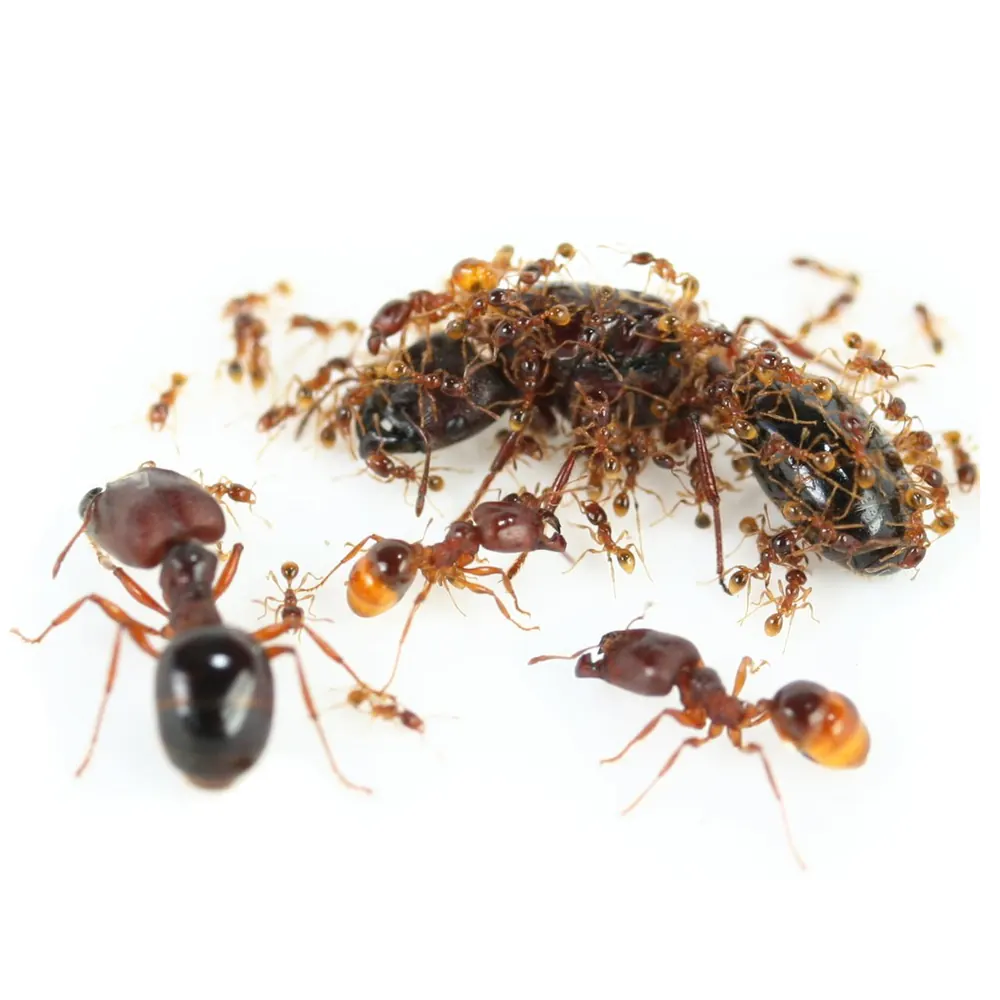
After rain, when the sandy ground is saturated, ant colonies move up and in. They trail into kitchens, bathrooms and even bedrooms looking for dry nesting sites and food. Ant baits that workers carry back to the colony are what clear them; sprays only scatter them into more nests. See ant control along the Kouga coast for why baiting works.
Wasps on the sheltered side
Paper wasps don't like building where the wind hammers. They choose the calm side of the house: under the eaves on the lee side, inside a covered stoep, under outdoor furniture or in a garage that's left open. In holiday homes, nests can grow unnoticed for weeks, and the first person to find one is often a guest opening the stoep doors or a child reaching under a deck chair. We treat the nest directly and remove it once the wasps are dead.
Cockroaches
German cockroaches settle in warm kitchens, behind fridges and in the motors of appliances. American cockroaches use drains, especially when the house has been empty and the drain traps have dried out. Gel baits, drain treatment and sealing gaps around pipes deal with both. Our crawling insect control page explains the differences.
What a visit looks like
- Walk the outside first, noting which side of the house is sheltered and where wasps or ants are active.
- Check the inside for damp, still spots: built-in cupboards, linen stores, under sinks and the geyser cupboard.
- Treat precisely: baits for ants, gels for cockroaches, odourless residual treatment for fishmoths, direct treatment for wasp nests. You don't need to leave the house; keep children and pets off treated surfaces until dry.
- Talk through simple changes, such as airing cupboards, fitting door sweeps or closing gaps around pipes.
The common mistake
Sealing the house up tight against the weather and never opening the cupboards. It keeps the wind and sand out, but it also traps salty, humid air inside, which is perfect for fishmoths and mould. A little controlled ventilation does far more good than harm.
A tip for the point
On the rare calm, dry days, throw open the cupboards and wardrobes for a few hours. If you're away a lot, leave cupboard doors slightly ajar and put moisture absorbers in linen stores. Lower humidity makes cupboards much less attractive to fishmoths.
What does it cost?
The price depends on the size of the house, which insects are involved and how established they are. A single wasp nest or an ant trail is a short visit. A house with fishmoths through several cupboards and cockroaches in the kitchen takes longer, and may need a follow-up. For an occasional fishmoth, better airflow may be all you need.
Cape St Francis is covered by our pest control across Jeffreys Bay and Kouga, and our page on insect control in St Francis Bay covers the canal homes just around the bay.
Call 087 012 5550, or WhatsApp us a photo of the insect and we'll tell you what it is.
Questions we get asked
Why are there so many fishmoths in my coastal house?
Because sea air and a closed-up house create damp, still cupboards, which fishmoths love. Treatment plus better airflow brings them under control.
Why do wasps always nest on one side of my house?
They choose the side sheltered from the wind. Checking the lee side of the house regularly helps you find nests while they're still small.
Do ants really come inside after rain?
Yes. Wet ground pushes colonies to look for drier spots and food, and houses are an obvious choice. Baits clear them more reliably than sprays.
Can you treat my house while I'm away?
Yes. We can arrange access through a neighbour, caretaker or agent and let you know what we found.
Will the treatment damage my clothes or books?
No. We use non-staining, odourless products, and we'll ask you to move items off the shelves we're treating first.