
If flies have taken over your kitchen, canteen or loading bay in Kariega, the answer is nearly always within a short distance of where you're seeing them. Flies don't travel far from where they hatch. Find the breeding material, deal with it, and the numbers drop quickly. Spraying the air on its own just thins out today's crop while tomorrow's is still developing.
Why flies are worse in Kariega's summers
House flies and blowflies develop faster in heat. In the hottest part of a Kariega summer, the cycle from egg to adult fly is short, so a bin that misses one collection, or a drain with a layer of grease, can produce a fresh wave within days. The town's hotter, drier weather compared with the coast means summer starts earlier and runs longer, and so does fly season.
Factories, canteens and warehouses
Large staff canteens are the classic problem. Food is prepared for many people, waste bins fill quickly, and the back door often stands open for deliveries and ventilation. Flies breed in the bin area and fly straight into the kitchen. The same happens around loading bays, where packaging waste mixes with food scraps from lunch breaks, and at grease traps and floor drains.
For these sites we look at the whole picture:
- Where waste is stored and how often it's collected
- Drains and grease traps that collect organic matter
- Doors that stay open, and whether strip curtains or screens would help
- Where electronic fly units would catch the most flies without being near food prep
- Residual treatment of the surfaces where flies rest, such as walls near bins and ceilings above doors
This is ongoing work rather than a single visit. A monthly or seasonal schedule, with a record of each visit, keeps a kitchen on top of it and shows a client or inspector that it's being managed.
Flying insects at home
For households, the common sources are wheelie bins in the sun, compost heaps, pet droppings in the yard and fruit left in a bowl. Blowflies appearing suddenly indoors often mean something has died, sometimes a rat or a bird in the roof or a wall. If flies keep gathering at one window or ceiling spot, that's worth investigating.
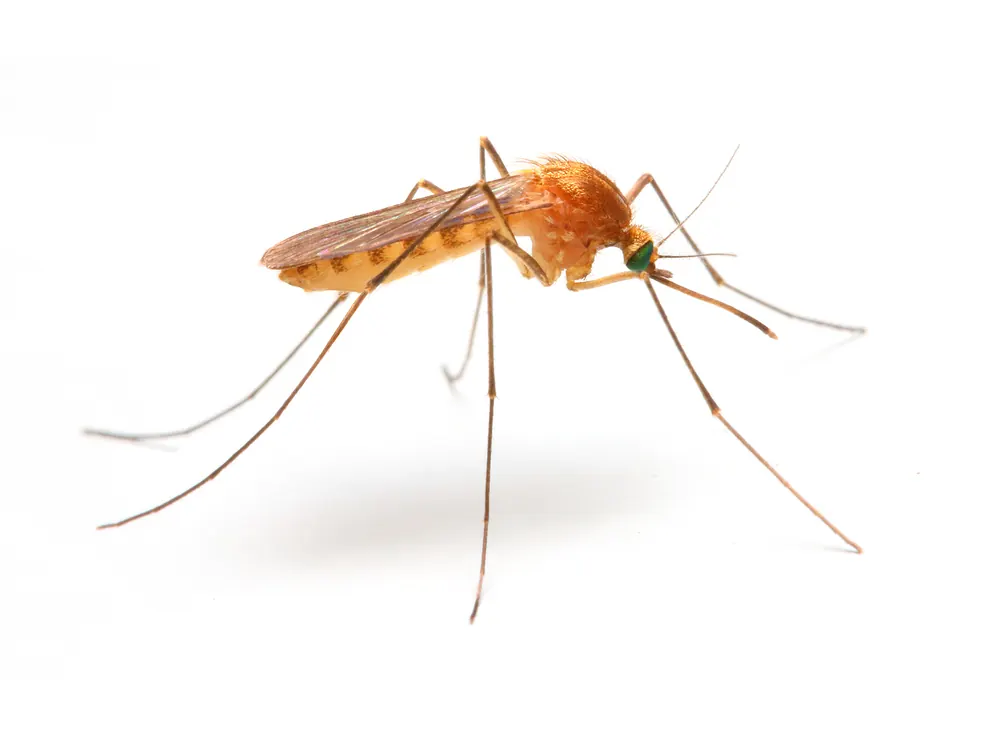
Mosquitoes breed in standing water: pot plant saucers, blocked gutters, old tyres, unused pools and bird baths. In a dry town, the few places that hold water become very attractive to them. Small moths in the pantry come from stored food like flour, cereal and pet food, and the fix is mostly finding and binning the infested packet.
How we treat
- Find the breeding sites around the property and inside.
- Remove or treat them, with targeted treatment of drains and bin areas where needed.
- Treat resting surfaces with an odourless, non-staining residual product.
- Advise on exclusion, such as screens, door closers and fly units for businesses.
Normal fly treatments don't require you to leave the house or close the kitchen for the day. Children and pets should stay away from sprayed walls and paving until the product has dried.
Signs the problem is close by
A few flies drifting in from the street is normal in summer. Dozens gathering at the same window, maggots in or under a bin, a sour smell from a floor drain, or small dark flies hovering over a sink all point to a breeding site on the property. Those are the clues we follow on an inspection.
The local tip
Move your wheelie bin into the shade and rinse it after each collection in summer. A bin sitting against a north-facing wall in Kariega's heat cooks whatever's inside and becomes a fly nursery. Shade and a weekly rinse make a noticeable difference on their own.
What people get wrong
Buying a fly zapper and putting it in front of an open door, or right above a food counter. Badly placed units attract flies in from outside and can scatter insect parts onto surfaces. Placement matters as much as the unit itself.
What does it cost?
For a home, it's usually a small job, and often good hygiene does most of the work. A canteen, food business or warehouse depends on its size, the number of waste and drain points, whether fly units are part of the service, and how often we visit. We'll quote once we've seen the site.
Wasps are a separate job; see wasp nest removal in Kariega. For background reading, our flying insect guide covers the common species. We also handle flying insects across Port Elizabeth and in Despatch homes and businesses.
Call 087 012 5550, or WhatsApp us a photo of your bin area or the flies you're seeing.
Questions we get asked
Why are there suddenly lots of blowflies in one room?
Often something has died nearby, like a rodent or bird in the ceiling or wall. The flies are breeding on it. We can help find and deal with the source.
Do fly units work in a canteen?
Yes, when they're placed correctly, away from food prep and out of line with open doors. They work best alongside proper waste management.
How often should a factory kitchen be treated for flies?
Most do best on a monthly service in summer. Quieter months can sometimes stretch further apart.
Can you get rid of mosquitoes in my yard?
We can reduce them by finding and treating breeding water and resting spots. Removing standing water is the single biggest step.
Are your fly treatments safe in a kitchen?
Yes. We keep treatments away from food prep surfaces and tell you what to cover beforehand.
Where do pantry moths come from?
From stored food such as flour, cereal, rice or pet food. Finding and binning the infested packet usually solves it.