
Flying insects are almost always a breeding problem, not a window problem. If you've got flies in the kitchen, mosquitoes in the bedroom or small moths around the pantry in Mill Park, there's a source somewhere close by producing them, and spraying the air only deals with today's batch. Find the source, deal with it, and the numbers fall away quickly.
What we see flying around Mill Park properties
House flies and blowflies
These breed in bins, compost, pet droppings and any rotting food. In summer, a wheelie bin that isn't rinsed can produce a steady supply. Guesthouses that serve breakfast and offices with a shared kitchen tend to notice them first, because a fly in the dining room is the kind of thing guests and clients remember.
Fruit flies and drain flies
The tiny ones that hover over the fruit bowl or rise out of the sink. Fruit flies breed in overripe fruit and the residue in bins and recycling. Drain flies breed in the slimy film inside drains, and older plumbing with long runs and slow traps gives them plenty of it.
Mosquitoes
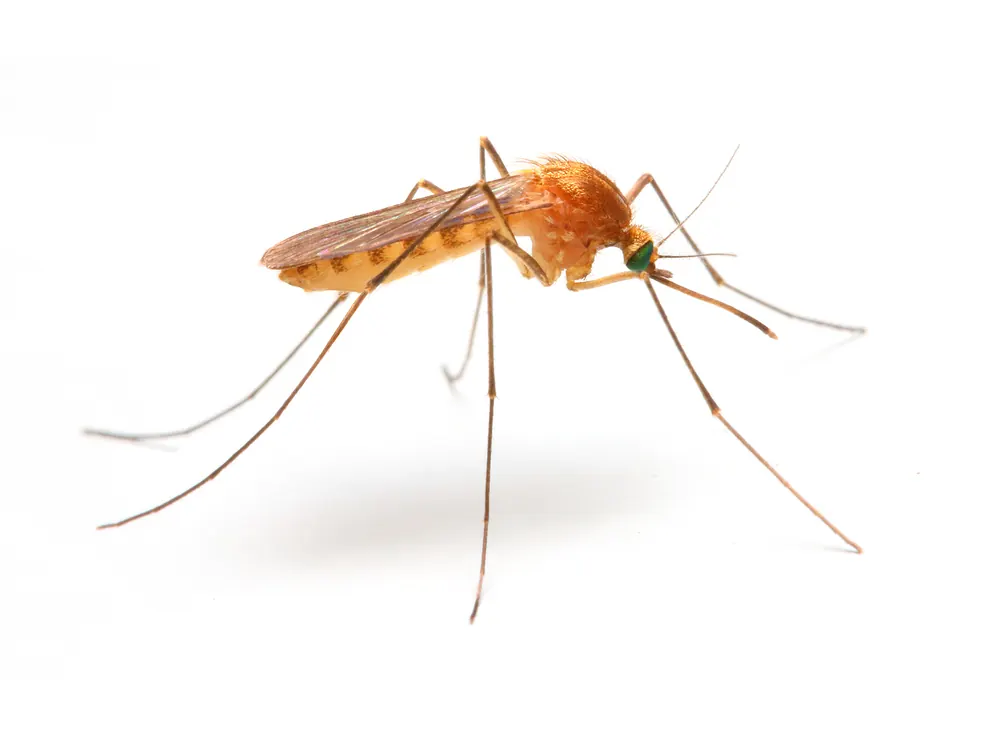
Mosquitoes need standing water, and not much of it. In a big, shady Mill Park garden that might be a blocked gutter full of leaves, a bird bath, a pot plant saucer, an old pond or a tree hollow that holds rainwater. Shade keeps that water from drying out between rains.
Pantry moths and clothes moths
Pantry moths come in with flour, cereal or pet food and breed in the packet. Clothes moths live in wool and natural fibres left undisturbed, which is common in older homes with deep built-in wardrobes.
Wasps are also flying insects, but they need a different approach. See dealing with wasp nests in Mill Park if that's your problem.
Why Mill Park homes get their share
Older houses often have tall sash or casement windows that are opened wide in warm weather and seldom have fly screens. The gardens are large and shaded, with leaf-filled gutters and damp corners. And many homes in the area now run as guesthouses or offices, which means bigger bins, more food and more people opening doors. None of this is unusual, but together it means flying insects have more chances here than in a small, newer house.
How we deal with them
- Find the breeding sites. Bins, drains, compost, pet areas, gutters, water features and pantry cupboards. We check the garden as carefully as the house.
- Remove or treat the source. Some sources simply need cleaning or emptying. Others, such as drains and bin areas, get a targeted treatment.
- Treat resting surfaces. Flies rest on walls, ceilings and window frames near where they breed. An odourless, non-staining residual spray on those surfaces knocks down the adults.
- Advise on keeping them out. Fly screens on the windows that are opened most, closing bins properly, and changes to how food waste is stored.
Normal flying insect treatments don't require you to leave. Keep children and pets away from treated surfaces until they've dried.
The local tip: clear the gutters
Under Mill Park's big trees, gutters fill with leaves faster than most people realise. A blocked gutter holds water for weeks and becomes a mosquito nursery right outside the bedroom windows. Clearing them before summer, and again after the trees have dropped their leaves, does more for mosquitoes than anything you can spray.
What people get wrong
Relying on electric fly zappers and plug-in repellents while the bin area goes unwashed. These gadgets catch some adults, but they don't touch the source, and in a kitchen they can scatter insect fragments around food. Clean the source first, then use traps as a back-up if you want to.
Guesthouses, offices and practices
For a business, flying insects are as much about impressions as hygiene. A regular service that covers the bin area, kitchen drains and dining or waiting room, with a record of each visit, keeps things under control through the warmer months. We can schedule visits for quieter times of day.
What does it cost?
It depends on what's flying, how many breeding sites there are, and the size of the property. A home with fruit flies from one drain is a small job, and sometimes cleaning the drain properly is enough without us. A guesthouse with flies around the bins and kitchen through summer is better handled on a regular schedule.
Read more in our complete flying insect guide, or see flying insect control throughout Port Elizabeth. We do the same work for restaurants and homes in Summerstrand, and the Mill Park area page covers the suburb's other pests.
Call 087 012 5550 to book, or WhatsApp us a photo of the insect and where you're seeing it.
Questions we get asked
Why do I have tiny flies coming out of my sink?
They're most likely drain flies breeding in the film inside the drain. Cleaning the drain thoroughly removes the breeding site; a treatment helps if they keep returning.
Can you get rid of mosquitoes in my garden?
We can reduce them a lot by finding and dealing with standing water and treating resting areas. You can't remove every mosquito outdoors, but you can stop them breeding on your property.
Are fly screens worth it in an older house?
Yes, on the windows you open most. Many older sash and casement windows can be fitted with screens that don't change how the house looks.
Is fly spray safe in a guesthouse dining room?
We treat walls, frames and resting surfaces rather than spraying into the air or over tables, and tell you how long to keep the area clear.
What are the small moths in my pantry?
Usually pantry moths breeding in flour, cereal, nuts or pet food. Throw out infested packets, clean the shelves and store dry food in sealed containers.
Do you offer regular flying insect service for businesses?
Yes. We set up scheduled visits for guesthouses, offices and food businesses, mostly through the warmer months, and keep a record of each one.