
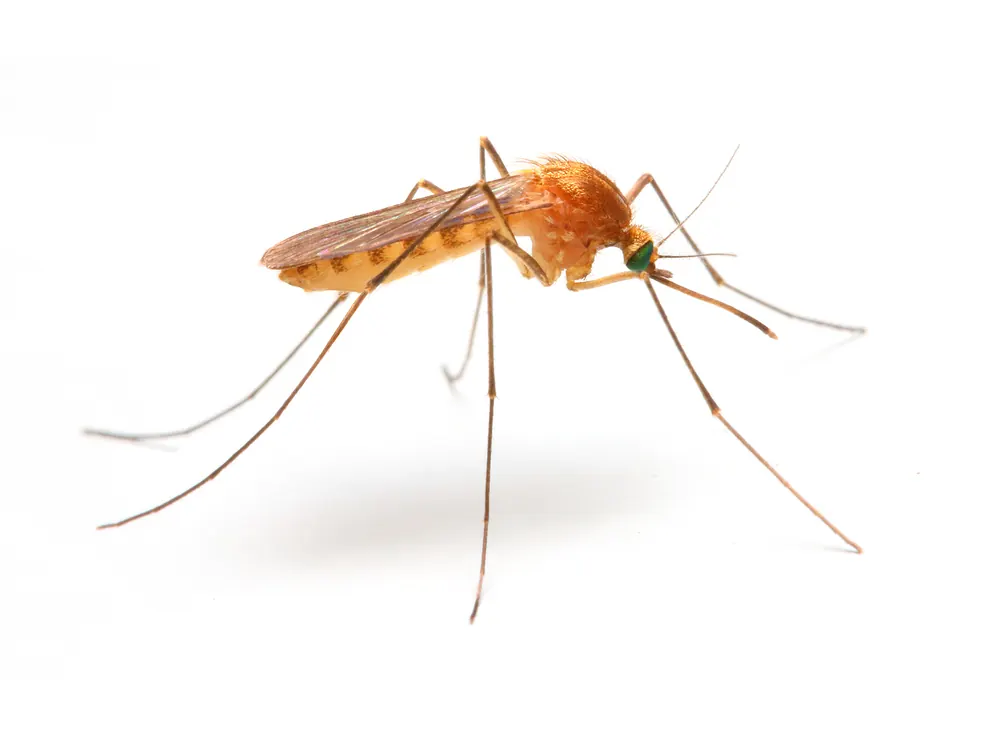
If flies, mosquitoes or wasps are making your Despatch home unpleasant, spraying the air won't fix it for more than an hour. Flying insects keep coming because something nearby is producing them. Our job is to find out what that is, deal with it, and treat where the insects rest and gather.
Where Despatch flying insects come from
Flies and the animals in your yard
House flies and blowflies breed in moist, rotting organic material. On a Despatch property that usually means chicken droppings and old bedding in the run, dog mess in a corner of the yard, wet compost, or bins that don't close properly. In hot weather a fly can go from egg to adult in about a week, so a single neglected spot keeps feeding the problem.
Mosquitoes and standing water
Mosquitoes lay eggs in still water. Being close to the Swartkops River doesn't help, but most mosquitoes biting you in the evening came from much closer: a blocked gutter, a pond without fish, a bird bath, a tyre or a bucket at the back of the property.
Wasps around the house and outbuildings
Paper wasps build their open, umbrella-shaped nests under eaves, carports, wendy houses and chicken coops. They're not after you, but they'll sting if the nest is disturbed, which happens a lot when kids are playing or someone's working in the garden. We cover this in more detail on our page about wasp nests in Despatch.
Clues that the source is close by
You can often tell how near the breeding spot is just by watching. These are the things we look for when we arrive:
- Flies clustering on one wall, gate or window rather than spread around the yard
- Small, pale maggots in or under the bin, or in the chicken run bedding
- Mosquitoes biting in the late afternoon, not only after dark, which usually means water within a few metres
- Wasps flying in and out of the same spot under the eaves or the carport roof
- More flies on still, warm days after rain, when damp material starts to rot quickly
If you can point us to any of these when we visit, the job goes faster and the result lasts longer.
How we deal with flying insects
- Find the source. We walk the yard and outbuildings looking for breeding sites: manure, compost, standing water, rubbish, nests.
- Remove or manage it. We tell you what to clean up, cover, drain or move. This is the part that makes the biggest difference.
- Treat resting areas. Flies and mosquitoes rest on walls, eaves, under patios and in sheltered spots. A residual treatment there reduces the numbers that make it inside.
- Treat nests. Wasp nests are treated directly and removed safely.
For smallholdings and animal keepers
If you keep chickens, goats or horses on one of the smallholdings around Despatch, flies are part of life, but they don't have to be overwhelming. Cleaning out bedding regularly, keeping manure in one covered spot away from the house, and making sure water troughs don't overflow into muddy patches all cut fly numbers sharply. We can then treat the resting sites around the animal areas, with care for the animals and their water.
What people get wrong
Buying a stronger can of fly spray. Spraying the kitchen kills the flies in the kitchen, and the next lot fly in through the door ten minutes later. Without dealing with where they're breeding, you're stuck spraying forever. The same goes for mosquito coils: they help on the stoep for an evening, but the water in the old pool cover is still producing new ones.
A local tip
Tip the water off any covers, tarps and buckets around the yard after it rains, and clean your gutters before summer. Many Despatch homes have trees close to the roof, and leaves in the gutter hold enough water for mosquitoes to breed in.
What does flying insect control cost?
It depends on the insect, how many breeding spots there are, and the size of the property. A single wasp nest is a quick job. A smallholding with a fly problem around several animal pens takes more time and may need repeat treatments in summer. Often, cleaning up the source is something you can do yourself, and we'll tell you honestly if that's all you need.
Read more
Our flying insect guide explains the life cycles of flies, mosquitoes and wasps and why source control works. For the rest of the metro, see flying insect control in Port Elizabeth, or flies and mosquitoes in Kariega if you're further inland. Our pest control page for Despatch covers everything else we do in town.
Call 087 012 5550 or WhatsApp us a photo of the nest or insect, and we'll tell you what we'd do.
Questions we get asked
Why are there so many flies near my chicken run?
Chicken droppings and wet bedding are ideal fly breeding material. Cleaning the run out more often and keeping it dry cuts the numbers more than any spray.
Does living near the Swartkops River mean more mosquitoes?
It can add some, but most mosquitoes biting you at home breed in standing water within a short distance, often in your own yard.
Can you remove a wasp nest from the chicken coop?
Yes. We treat and remove the nest safely and keep the treatment away from the birds, their feed and water.
Do fly traps work?
They catch flies, but they don't stop flies being produced. Use them alongside cleaning up breeding spots, not instead of it.
Is the spray safe around my animals?
We choose products and placements with animals in mind, keep them away from feed and water, and tell you how long to keep pets off treated areas.
When is the worst time for flying insects in Despatch?
Summer, when the heat speeds up fly and mosquito breeding and wasp nests are at their largest.