
If flying insects are spoiling your patio or getting into the house, the answer is almost never a stronger spray. Flies and mosquitoes are bred somewhere close by, often within a few metres of where they bother you. On a big Walmer plot there are plenty of places for that to happen. Find and fix the breeding spots, treat where the adults rest, and numbers drop quickly.
What's flying around your Walmer garden
- House flies breed in moist rotting material: compost, bins, grass clippings and pet mess. They're the ones landing on the food at a braai.
- Blowflies (the big shiny green or blue ones) need meat or something dead. A sudden swarm indoors often means a dead rat or bird in the roof or a wall.
- Fruit flies hover around the fruit bowl, the recycling and the kitchen drain.
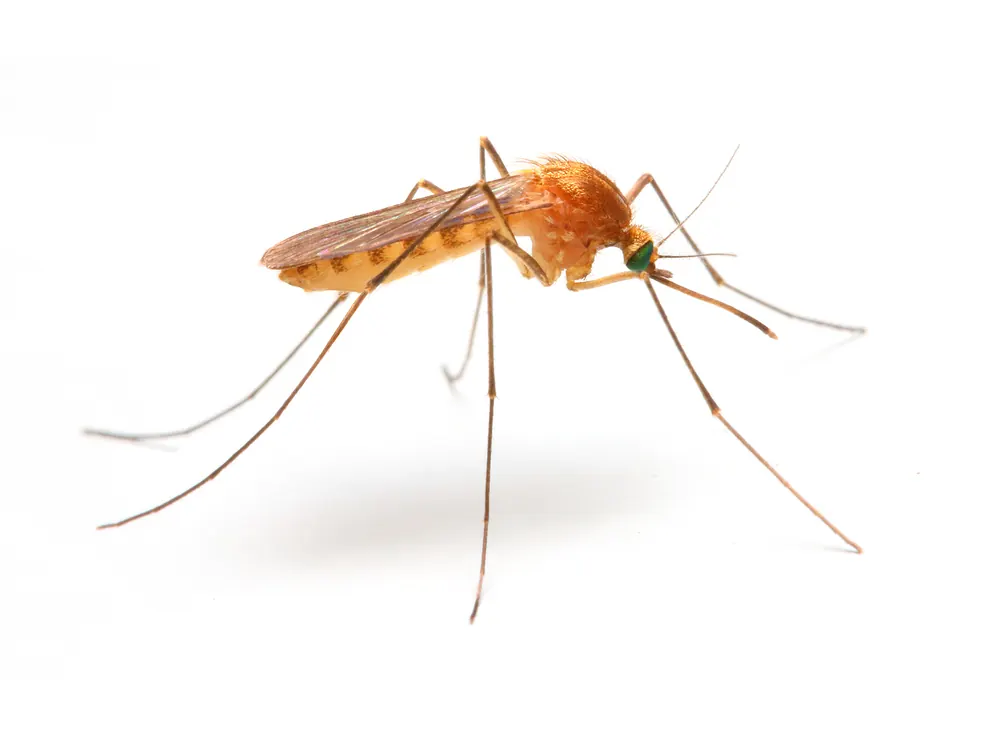
- Mosquitoes need only a little standing water to breed, and a week of warm weather is enough.
- Wasps build paper nests under eaves and in hedges, and come down to the pool to drink.
The breeding spots we find on Walmer properties
Larger gardens mean more corners nobody looks at. When we walk a property, these are the places we check first:
- The compost heap or bin. Wet, uncovered compost with kitchen scraps in it is a fly factory in summer.
- Where the dogs go. In a garden with a couple of big dogs, the back corner of the lawn is often the main house fly source.
- Gutters under big trees. Leaves from mature trees block gutters, which then hold water for weeks. Mosquitoes love them, and you'll never see it from the ground.
- The pool cover and pump area. A sagging cover holds rainwater. So can the pump box and the leaf trap.
- Ponds, bird baths and plant saucers. Fine if water moves or is changed often, a problem if it stands.
- Wheelie bins. Bins that aren't rinsed out breed flies in the residue at the bottom.
What we do
After the walk-round, we treat in three ways. We apply an odourless residual treatment to surfaces where flies and mosquitoes rest, such as the underside of patio roofs, walls near bins and shady spots by the back door. We treat wasp nests directly, using targeted products and the right protective gear. And we give you a clear list of breeding sites to remove, which is often the part that makes the biggest difference.
For businesses that handle food, including cafés and shops, we set up scheduled visits with records of each one. You can read about our wider flying insect control in Port Elizabeth for commercial options.
When it's a wasp problem
Paper wasps are common in Walmer because older homes have deep eaves, and gardens have pergolas, thick hedges and creepers to build in. A small nest away from where people walk can sometimes be left alone. A nest next to the front door, a pool gate or a child's window should be treated. More on that in our Walmer wasp nest removal page.
The local tip: clean the gutters before summer
If you have big trees over the house, get the gutters cleared in spring. Blocked gutters are the most common hidden mosquito breeding site we come across in leafy suburbs, and clearing them also stops water damage and removes a wet spot that attracts cockroaches.
Fruit flies in the kitchen
Fruit flies indoors are a separate, smaller job. They breed in overripe fruit, the bottom of the recycling bin and the film that builds up inside a kitchen drain. Clear soft fruit from the bowl, rinse recycling before it goes in the bin and pour boiling water down a slow kitchen drain, and they normally disappear within a week or so.
The thing people get wrong
Buying an electric zapper for the patio and expecting it to solve the problem. Zappers kill a lot of insects, but many of them aren't the ones bothering you, and they do nothing about the compost heap producing new flies every day. Fly control outdoors is mostly about the source.
What does it cost?
Costs come down to the size of the property, how many breeding sites there are and whether there's a wasp nest to deal with. A lot of fly problems can be solved by you, for free, once you know where they breed, and we'll be honest about that. A treatment makes sense when numbers are high, when there are wasp nests or when it's a food business. We'll quote after a look.
To learn how flies, mosquitoes and wasps develop, read the flying insect guide. Next door, we also handle flying insects in Summerstrand, and our Walmer area page covers other pests here. Call 087 012 5550, or WhatsApp us a photo of the insect or the nest.
Questions we get asked
Why is my Walmer house suddenly full of big flies?
A sudden swarm of blowflies indoors usually means something has died in the roof, a wall or under the floor, often a rat. Finding and removing it stops the flies.
Can you get rid of mosquitoes completely?
Not completely in a garden, but you can cut them down a lot. Removing standing water and treating resting spots is what works.
Is it safe to treat near the pool?
Yes. We treat surrounding surfaces and resting areas, not the water, and keep children and pets off them until they're dry.
Do fly screens help?
Yes, on kitchen windows and back doors they help a lot. They're especially useful in older homes where doors are left open in summer.
Should I remove a wasp nest myself?
We'd advise against it for anything larger than a golf ball or anything high up. Wasps defend the nest, and stings near a ladder are dangerous.
Do you treat cafés and food shops for flies?
Yes. We do scheduled flying insect control for food businesses and keep a record of every visit.