
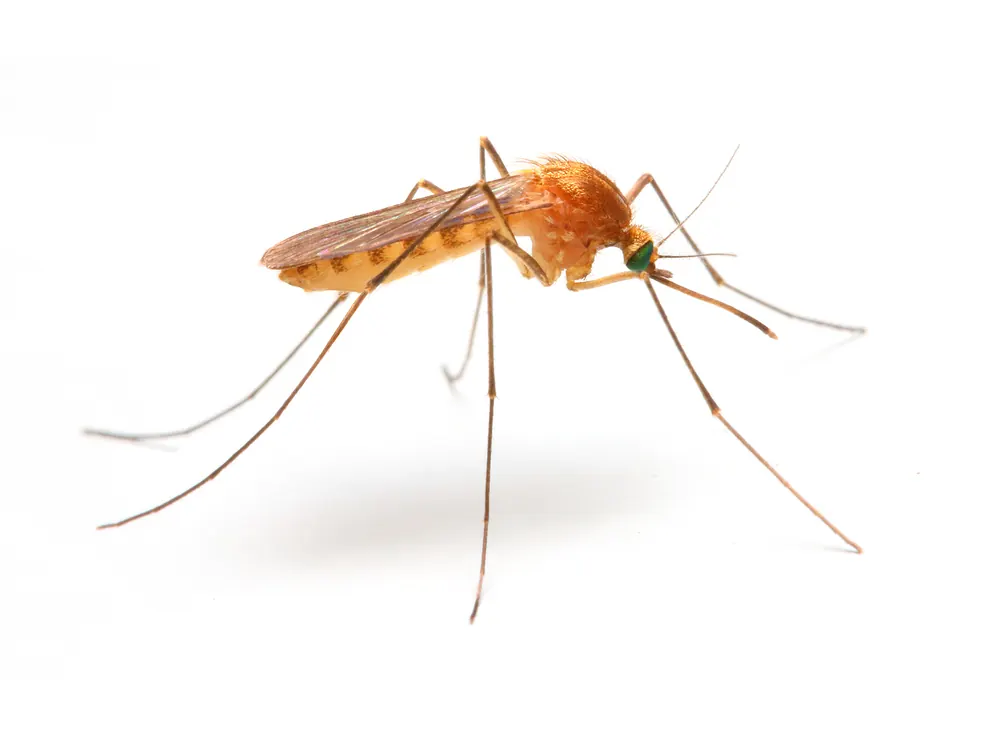
If flies, mosquitoes or wasps are bothering you in Newton Park, the fix is almost always at the place they breed or nest, not in the air. A fly you swat today was a maggot in a bin or a drain a week ago. A mosquito started life in a few centimetres of standing water. A wasp came from a nest within flying distance. We find those places and deal with them.
Where flying insects come from in Newton Park
Bins and food businesses
Newton Park's main roads are lined with eateries, takeaways and shops, with Greenacres and its food outlets close by. Wherever food waste is stored, flies follow. Bin areas behind businesses, grease traps and drains that collect food scraps are the usual breeding spots. At home, a wheelie bin that's not washed out over a hot week will do the same.
Older roofs and gutters
Older houses with leaf-filled gutters can hold water for weeks after rain. That's enough for mosquitoes to breed. The same roofs often have gaps at the eaves where paper wasps tuck their nests.
Gardens
Pot plant saucers, a bird bath that's not changed, buckets, an old tyre or a blocked pond pump. Mosquitoes need surprisingly little water. Compost heaps and pet droppings in the garden breed flies.
The main flying insects we treat
- House flies and blowflies around kitchens, bins and outdoor eating areas.
- Small flies such as drain flies and fruit flies, which breed in drains, sink traps and overripe fruit. Common in commercial kitchens.
- Mosquitoes, mostly in warmer months, breeding in standing water around the house.
- Paper wasps building grey, open-celled nests under eaves, in window frames, behind gutters and on shop signage.
How we deal with them
- Find the source. We look at bins, drains, gutters, ponds, compost, pot plants and the roofline. For a business, we check the bin area, storerooms and the kitchen drains.
- Remove or treat breeding sites. Some sources simply need to be cleaned out, covered or emptied. Others, like drains, are treated directly.
- Targeted residual treatment. An odourless, non-staining residual spray on the surfaces where flies rest, such as around bins, walls near doors and under eaves.
- Nest treatment for wasps. We treat the nest directly and remove it, so the wasps don't simply rebuild in the same spot.
You don't have to move out for any of this. Keep children and pets off treated areas until they're dry.
Signs the source is close by
A few flies drifting in through an open door on a hot day is normal. These signs point to a breeding site or a nest near you:
- Flies gathering in the same corner of a room or the same window every day
- Small flies rising from the sink or a floor drain when you run the tap
- Mosquito bites at night even when the windows are mostly closed
- Wasps flying in and out of the same gap in the eaves or gutter
- Maggots in the bin or around the bin area
Restaurants, takeaways and food shops
For a food business, flies are a hygiene issue as well as a nuisance. A once-off treatment won't hold for long when bins are filled every day. We set up a regular service that covers drains, bin areas and resting surfaces, timed around your trading hours, with records of each visit.
A mistake we see often
Relying on a fly spray or a bug zapper and never looking at the bins or drains. Spraying the air kills a few flies for a few minutes. The breeding site keeps producing more. If you only fix one thing, fix the source.
A local tip
Port Elizabeth's wind can be useful here. A stoep or outdoor seating area where the breeze moves through tends to have fewer flies and mosquitoes than a sheltered corner. If you're setting up an outdoor area at home or at a coffee shop, don't put the bins in the most sheltered, sunny corner, because that's exactly where flies breed fastest.
What does it cost?
A single wasp nest under the eaves is a small job. Flies at a restaurant, or mosquitoes around a large property with several water sources, take more time and may need regular visits. Sometimes all you need is to clean a gutter and cover the bins, and we'll tell you if that's the case. We quote once we've seen the problem.
If it's mainly wasps, see wasp nest removal in Newton Park. Our guide to flying insects explains how each one breeds, and flying insect control in Port Elizabeth covers the wider city. Next door, we also handle flies and wasps in Walmer homes. You'll find other local services on our Newton Park pest control overview.
Call 087 012 5550, or WhatsApp us a photo of the nest or the insects and we'll take it from there.
Questions we get asked
Why do I have so many flies when my kitchen is clean?
They're probably breeding outside, in a bin, a drain or pet droppings in the garden. Find that spot and the flies inside drop off.
Can you remove a wasp nest from under my eaves?
Yes. We treat the nest directly and remove it. Don't knock it down yourself, because the wasps will defend it.
How do I stop mosquitoes breeding around my house?
Empty anything holding water at least once a week: pot plant saucers, buckets, bird baths and blocked gutters. That does more than any spray.
Do you treat flies at restaurants?
Yes. We do scheduled fly control for food businesses, covering drains, bin areas and the surfaces flies rest on.
What are the tiny flies around my sink?
Usually drain flies or fruit flies. Drain flies breed in the slime inside drains and sink traps; fruit flies breed on ripe fruit and spills. Cleaning the drain properly is the first step.