
A fly problem in Bluewater Bay is almost always a breeding problem nearby. Swatting and spraying the flies in the kitchen deals with adults that will be replaced within days. To get real control you need to find what they're breeding in, take that away, and then treat the surfaces where the adults land and rest. That's how we approach flying insects here.
Summer living, summer flies
Bluewater Bay is the kind of suburb where people live outdoors in summer: braais on the patio, kids in the pool, doors open to catch the breeze off the sea. Flies take advantage of every one of those things. Meat on the braai, dog bowls, pool-side snacks and a wheelie bin baking in the sun are all on their menu.
A lot of households here also fish. Bait, fish scraps and a cooler box left to sit for a day are some of the strongest fly attractants there are. So is the compost heap, a pile of grass cuttings, or a dog run that isn't cleaned every day.
The wind matters too. On gusty days flies shelter on the lee side of the house, in the patio corners and under the eaves, and they drift indoors through any open door. When the wind drops, they come out in force. Enclosed patios and courtyards, where the air goes still first, usually notice it most.
What's flying around
- House flies breed in rotting food, bins, compost and animal droppings. They're the ones on the kitchen counter.
- Blowflies are bigger and shinier, green or blue, and breed in meat and fish waste, or in a dead rodent somewhere in the roof or wall.
- Small fruit flies breed in overripe fruit, wine and beer residue, and the slime inside kitchen drains.
- Drain flies are tiny and fuzzy, and come from the film inside rarely used drains and gullies.
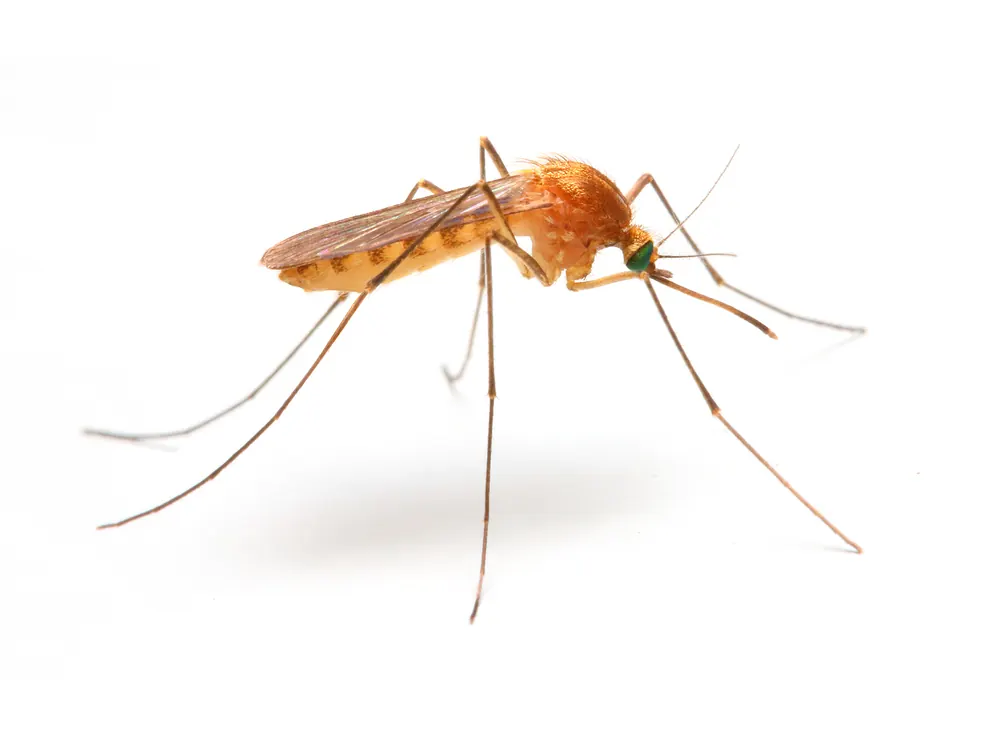
- Mosquitoes come from still water, and with the estuary close by they're a separate story. See dealing with mosquitoes and other biters here.
- Wasps build under eaves and in pergolas. Our page on wasp nests around Bluewater Bay homes covers them.
The clue in a sudden swarm
If you suddenly have lots of big blowflies indoors, all at once, and nothing has changed in the kitchen, there's a good chance a rat or mouse has died in the roof, a wall or under the floor. The flies breed in the carcass and hatch out together. In that case the fix is finding and removing the source, and it's worth asking why there were rodents there in the first place.
How we treat flying insects
- Find the breeding site. Bins, compost, drains, pet areas, fish waste, rotting fruit, or a dead animal.
- Remove or manage it. Often this is the most important step, and it's mostly up to the household. We'll tell you exactly what to change.
- Treat resting surfaces. An odourless, non-staining residual spray on the places flies land: eaves, patio ceilings, bin areas, window frames and walls near doors.
- Drain treatment for fruit flies and drain flies, along with cleaning out the build-up they breed in.
- Advice on screening windows and doors that stand open in summer.
For businesses, especially food premises, we set up a regular programme with scheduled visits rather than a once-off spray.
What people get wrong
Hanging a fly strip or plugging in a zapper and leaving it at that. These catch adults, which is fine for a few strays, but they don't touch the breeding site. If you're catching dozens a day, something nearby is producing them.
A local tip
Clean fish and dispose of bait as far from the house as you can, wrap the scraps well and put them in a closed bin on collection day rather than days before. Rinse the cooler box straight after a fishing trip. It sounds simple, but in fishing households it's often the single biggest change.
What does it cost?
It depends on the size of the property, where the flies are breeding and whether you need a once-off treatment or a regular service. Many household fly problems can be solved with better bin and waste habits alone, and we'll say so if that's your situation. Premises with food, animals or a lot of outdoor space usually need ongoing work. We quote after a look.
Read the full guide to flying insects to understand how each one breeds, or see our fly and flying insect control across the metro. We also work in Despatch for flies and mosquitoes.
Call 087 012 5550, or WhatsApp us a photo of the flies and where you're seeing them.
Questions we get asked
Why are there so many flies at my house and not next door?
Usually because something on or very near your property is breeding them, like a bin, compost heap, dog run or fish waste. Finding that source is the key.
Do fly sprays work?
Household sprays kill the flies in the room but nothing else. A residual treatment on the surfaces where flies rest, combined with removing the breeding site, works far better.
Can you treat for flies at a restaurant or shop?
Yes. Food businesses usually need a scheduled programme with regular visits and records, and we can set that up.
What are the tiny flies around my kitchen sink?
They're usually fruit flies or drain flies. Both breed in the slime inside drains or in old fruit, so cleaning the drain properly is part of the fix.
Is it safe to treat the patio where my kids play?
Yes. We use odourless, non-staining products. Keep children and pets off the treated surfaces until they're dry.
Why do flies get worse when the wind dies down?
On windy days flies shelter in calm corners. When the wind drops they become active all at once, so it can look like a sudden increase.