
With flying insects, the adults buzzing around the room are the last stage of a life cycle that started somewhere wet, rotting or forgotten. Swatting and spraying deal with today's crop. Finding the breeding site stops next week's. That's the core of flying insect control, and it's why a good pest controller spends more time looking at bins, drains and gutters than at the insects themselves.
Know your flyer
House flies and blowflies
House flies breed in rotting organic matter: kitchen waste, pet droppings, compost, manure. Blowflies, the shiny green or blue ones, are drawn to meat, dead animals and bin bags with food scraps. A sudden cluster of blowflies indoors can mean something has died in a wall or ceiling, often a rodent.
Fruit flies
Tiny, tan, with red eyes. They breed in overripe fruit, but also in the film inside drains, mops, recycling bins with residue in old bottles, and anywhere fermenting liquid collects.
Drain flies
Small, fuzzy and moth-like, often resting on bathroom walls. They breed in the slimy build-up inside drains, especially those that aren't used often, like a guest shower or a floor drain.
Mosquitoes
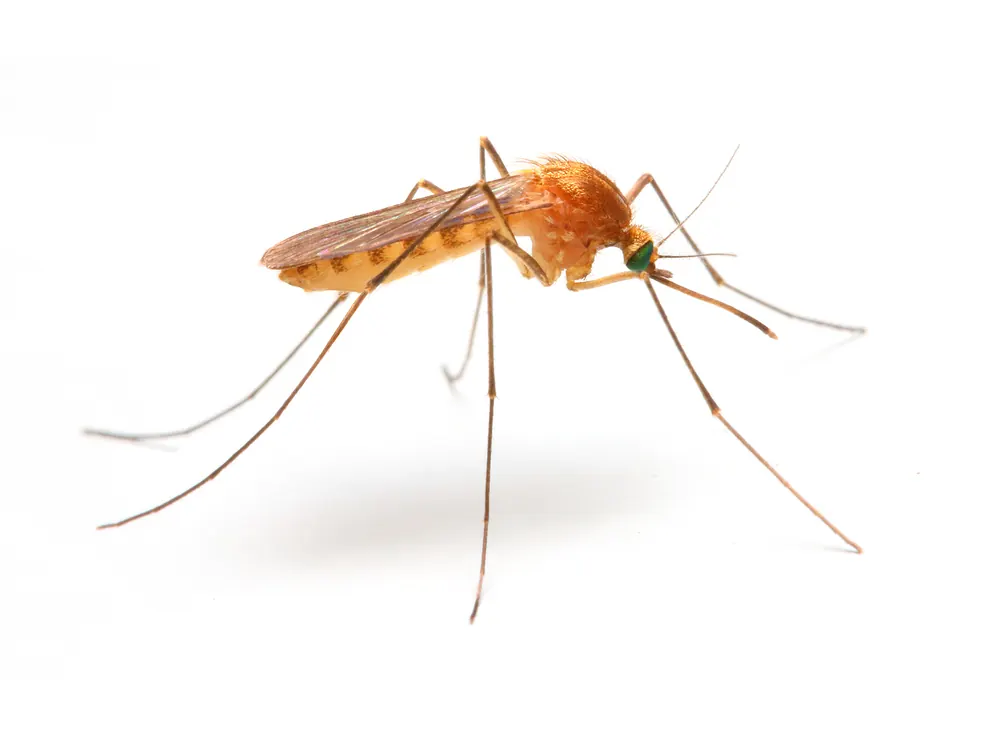
They need standing water to breed: a blocked gutter, a pot-plant saucer, an old tyre, a bucket, a birdbath that's never changed, a pool that's been left. Only females bite. For more on biters, see our biting insect guide.
Pantry moths
Small moths flying in the kitchen at night often come from larvae in flour, cereal, nuts or pet food. Look for webbing in packets.
Wasps
Wasps are a special case because they build nests rather than breeding in waste. Our wasp guide deals with them separately.
Why sprays and zappers don't solve it
An aerosol kills the flies it touches. Bug zappers and sticky traps catch some adults. None of these touch the eggs and larvae developing in the bin, the drain or the compost. In warm weather, a fly's life cycle from egg to adult can be very short, so a fresh wave will be along soon. Traps and zappers are useful for monitoring and for catching stragglers, especially in food businesses, but they work best alongside sanitation and breeding-site control, not instead of it.
A breeding-site checklist
- Bins: lids that close, bags tied, bins rinsed regularly, kept out of the sun if possible
- Drains: cleaned with a brush, not just bleach poured over the top, which doesn't remove the slime layer where drain flies breed
- Compost: covered and turned, with no cooked food or meat in an open heap
- Pet areas: droppings picked up daily, especially in summer
- Water: gutters cleared, saucers emptied, birdbaths refreshed, pools kept treated
- Kitchen: fruit in the fridge when ripe, recycling rinsed, spills under appliances cleaned
Health risks
Flies land on waste and then on food, carrying bacteria on their feet and mouthparts. That's why food safety rules take them seriously. Mosquitoes cause itchy bites and lost sleep. Pantry moths spoil stored food. And for anyone allergic to wasp stings, a nest near a doorway is a genuine safety issue.
What professional flying insect control involves
- Identification. The species tells us what to look for. Drain flies point to drains, blowflies to a carcass or meat waste, fruit flies to fermenting residues.
- Source hunt. We inspect bins, drains, refuse rooms, compost, roof spaces and outside areas.
- Targeted treatment. Residual treatment of surfaces where flies rest, such as around bin areas, and treatment of breeding sites where removal isn't enough. Wasp nests are treated directly.
- Advice and monitoring. For restaurants, food factories and shops, we set up scheduled visits and help put sanitation habits in place that keep numbers down.
For our local service, see flying insect control in Port Elizabeth. Summers on the Kouga coast bring their own fly problems around holiday homes and braai areas; our page on flies and mosquitoes in Jeffreys Bay covers that.
The thing people often get wrong
Treating the symptom in the room where the flies are, instead of looking for the source. If you suddenly have many large flies in one room and no obvious reason, check the ceiling and wall voids above and around it. A dead rodent is a common cause, and once it's removed the flies stop.
Flying insects through the year
Flying insect problems rise and fall with the weather. Warm, humid spells speed up fly and mosquito life cycles, and a hot week after rain can bring a sudden jump in numbers. Wasps build their nests in spring and summer, and a nest started under the eaves in early spring can be large by midsummer. Pantry moths and drain flies, which breed indoors, can carry on all year. Planning ahead helps: clearing gutters and checking bins before summer, and looking under eaves for new nests while they are still small and easy to deal with.
What does it cost?
For a home, it's usually about identifying the insect and sorting out the source, which may need only advice and a single treatment. For a food business, a monitoring contract with regular visits and records is the norm. The size of the site, the type of insect and how many breeding areas there are all affect the price. We'll quote after an inspection.
Can't work out where they're coming from? WhatsApp us a photo of the insect, or call Pest Arrest on 087 012 5550 and we'll help you find the source.
Questions we get asked
Why do I have so many flies all of a sudden?
Usually because something nearby gave them a place to breed, like a bin, compost or pet waste. A sudden swarm of large flies indoors can also mean a dead rodent in the ceiling or wall.
How do I get rid of drain flies?
Clean the drain physically with a stiff brush to remove the slimy build-up they breed in. Pouring bleach alone rarely reaches it.
Do fly zappers work?
They catch some adult flies and are useful for monitoring, but they don't touch the breeding source. On their own they won't solve a fly problem.
Where do fruit flies come from if I have no fruit out?
Drains, mops, recycling bins and spills under appliances can all breed fruit flies. Anything damp with fermenting residue will do.
Can you treat flies at a restaurant?
Yes. Food businesses usually do best on scheduled visits that combine treatment, monitoring and advice on bin and drain hygiene.
Are tiny moths in my kitchen a pest problem?
Often, yes. They're usually pantry moths breeding in stored flour, cereal, nuts or pet food. Check packets for webbing and throw out anything affected.