
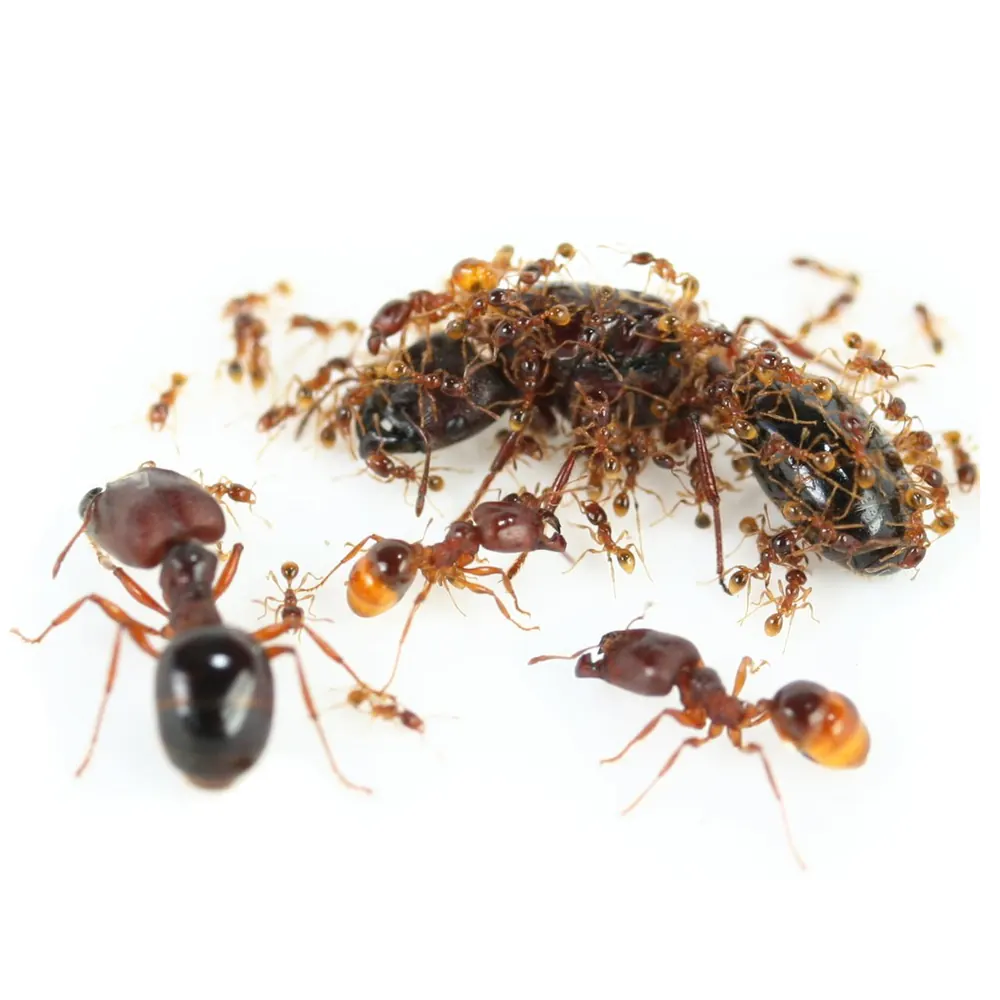
For farms and packhouses around Kirkwood, the biggest insect concerns are flies drawn to fruit and organic waste, stored-product insects in stores and packing materials, and cockroaches in canteens, kitchens and staff housing. In town homes, ants and cockroaches top the list, especially through the hot summer. All of these respond best to a routine: scheduled visits on commercial sites, and timely treatment at home before numbers build.
A farming town in the valley
Kirkwood is one of the main towns of the Sundays River Valley, surrounded by citrus farms and packhouses, with hot summers that are noticeably warmer than the coast. During the season the valley is busy, with fruit coming in from the orchards, packing lines running and many people working long hours. All of that activity creates food, waste, warmth and shelter, which is exactly what insects look for.
The heat matters too. Insects develop faster in warm conditions, so a fly or cockroach problem that would take weeks to build on the coast can take days here.
On farms and in packhouses
Flies around fruit and waste
Damaged fruit, rejected fruit, peel and organic waste attract house flies and small fruit flies. In a packhouse, flies are a hygiene problem around staff eating areas and a nuisance on the packing floor. The most important part of fly control here is waste management: removing rejected and rotting fruit regularly, keeping waste areas away from doors and packing areas, and cleaning drains and wet spots where flies breed. We support that with targeted treatment of resting areas and outside surfaces. Our page on flying insect control for commercial sites explains the approach.
Stored-product insects
Stores that hold feed, grain, dry goods or packing materials such as cartons and paper can attract beetles, weevils and moths that feed on stored products. Once they're established, they spread through the store and into anything kept nearby. We inspect, identify the insect and its source, and treat cracks, shelving and storage areas. Clearing old stock and keeping storerooms clean and well rotated makes a huge difference. Where stored goods or an enclosed space need it, fumigation with registered fumigants is available; the sealed area must be vacated until cleared.
Cockroaches in canteens and staff housing
Canteens, kitchens and staff accommodation on farms see constant use, and German cockroaches move in quickly where food is prepared and eaten. American cockroaches come up from drains and septic systems. Gel baits in kitchen cracks, drain treatments and a follow-up visit to catch newly hatched nymphs keep them down. Regular scheduled treatment works far better than waiting for complaints.
In Kirkwood homes
Ants
Hot, dry spells drive ants indoors for water and food. They trail to sinks, pet bowls and anything sweet. Ant baits that workers carry back to the nest clear colonies far more reliably than sprays.
Cockroaches and flies
Town homes have the same German and American cockroaches as anywhere in the Bay, simply sped up by the heat. Flies breed quickly in summer around bins and pet waste. Sealed bins, regular cleaning and quick action at the first sign of cockroaches keep things manageable. For a similar inland picture, see our page on insect control in Kariega.
How we work with farms and businesses
- Site survey. We walk the packhouse, stores, canteens, waste areas and staff housing to map where the risks are.
- A practical plan. Which insects to target, where, and how often we visit, planned around your season and packing schedule.
- Scheduled visits with records. Every visit is recorded, with notes on anything that needs attention on your side, such as a waste area too close to a door.
- Callouts in between if staff spot a problem.
For homes, a single visit with a follow-up where needed is usually enough. Normal treatments don't require anyone to move out; keep children and pets off treated surfaces until dry.
A mistake we see often
Leaving rejected or damaged fruit in heaps near the packhouse for days. It's a fly breeding ground in the heat, and no amount of spraying will keep up with it. Removing waste regularly, and well away from the building, does more than any treatment we can offer.
A tip for the valley heat
Check and clean drains in packhouses, kitchens and ablutions weekly through summer. Organic slime builds up quickly in warm drains, and it's where small flies breed and cockroaches shelter. A clean drain removes both problems at the source.
What does it cost?
It depends on the size of the site, the number of buildings and how often we visit. A single home with an ant problem is a short visit. A packhouse with stores, canteens and staff housing works best on a scheduled contract priced on the site and visit frequency. Fumigation is quoted separately, based on what's being treated.
We cover the whole valley, including Addo and Sunland, and this side of the Bay is served alongside our Bluewater Bay pest control work.
Call 087 012 5550 to arrange a site visit, or WhatsApp us a photo of the insect and we'll tell you what it is.
Questions we get asked
Do you work with citrus farms and packhouses?
Yes. We set up scheduled insect control for packhouses, stores, canteens and staff housing, planned around the packing season.
Can you treat during the packing season?
Yes. Most treatments are done around normal work. Fumigation is the exception, because the sealed area has to be empty until it's cleared.
What are the small beetles in my farm store?
Usually stored-product insects such as weevils or flour beetles. Send us a photo and we'll identify them and tell you where they're likely coming from.
Why do insects build up so fast in Kirkwood?
Heat speeds up their development, so flies and cockroaches breed faster in the valley than on the coast. Regular treatment keeps ahead of that.
Do you keep records for farm visits?
Yes. Every scheduled visit is recorded, with notes of what we found, what we treated and anything that needs fixing on site.