
In Colchester, insect problems split neatly in two. Outside, it's mosquitoes and flies, driven by the river, the heat and the farmland around the town. Inside, it's ants and cockroaches looking for food, water and shade. Both halves can be brought under control, but they need different tactics, and the outdoor half needs your help as much as ours.
Where the river meets the valley
Colchester is a small town near the mouth of the Sundays River, where the river reaches the coast at the bottom of the Sundays River Valley. Summers here can be properly hot. You've got river water on one side, farmland and open country on the other, and gardens in between. That's a good recipe for flying insects in summer and crawling ones looking for shelter all year.
The outdoor insects
Mosquitoes
Mosquitoes are the main complaint on summer evenings, especially in homes close to the water. Despite the river being right there, the most productive breeding sites are often in the garden: a wheelbarrow left out in the rain, a bird bath, an old tyre, a blocked gutter, the saucer under a pot plant. Find and empty those, and you cut the local population noticeably. We then treat the shady, sheltered spots around the house where adult mosquitoes rest during the day. More on biting insect treatment in the Bay.
Flies
Heat speeds up fly breeding dramatically. House flies and blowflies breed in rubbish, compost, pet waste and anything rotting, and with farmland nearby there's no shortage of sources. Indoors they're a hygiene problem around food. The fix is mainly about breeding sites: sealed bins, regular bin washing, prompt clean-up after pets and covered compost. Targeted treatment of resting areas helps where numbers stay high. Because fly numbers climb so quickly once the weather warms up, it pays to sort out the bins and compost early in the season rather than waiting for the first swarm in the kitchen.
The indoor insects
Ants
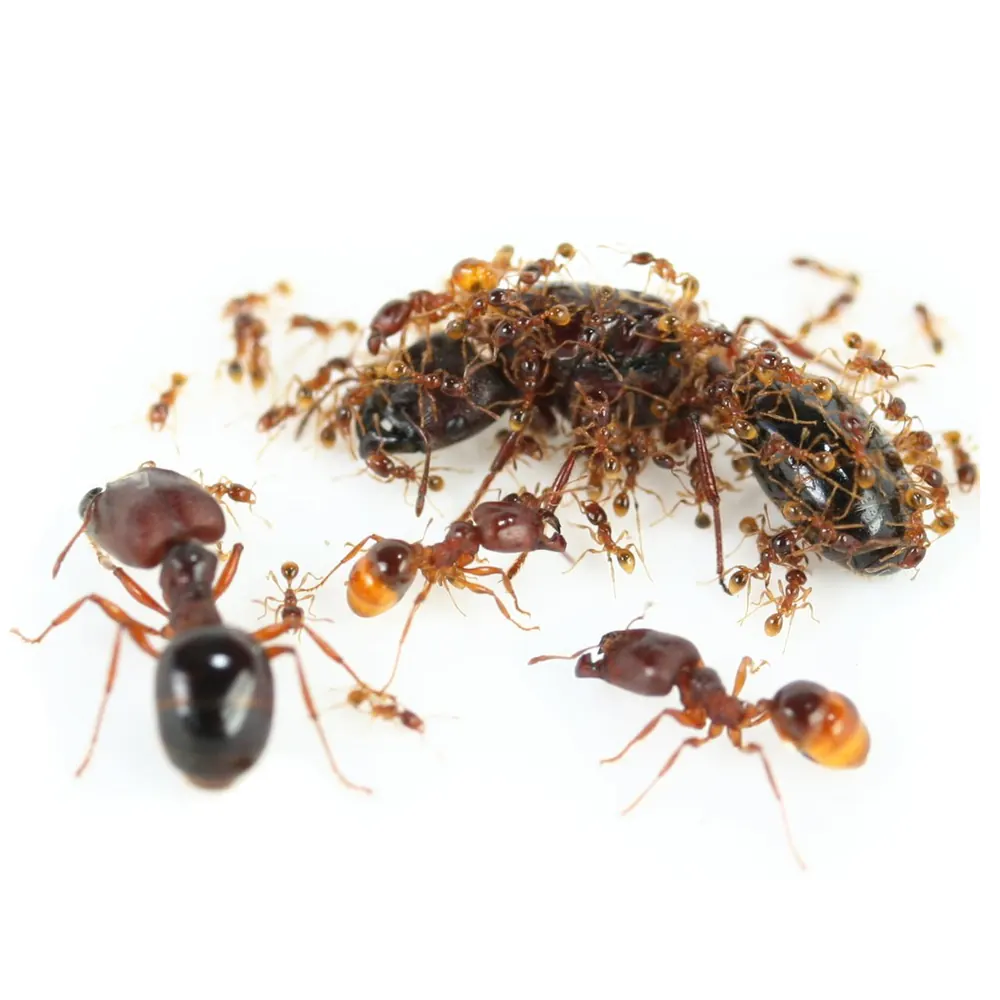
When it's hot and dry, ants come indoors for water as much as for food. They trail to sinks, pet water bowls and bathroom basins as well as the kitchen. Baits that workers carry back to the nest are the reliable answer. Spraying trails only spreads the colony.
Cockroaches
Large American cockroaches come in from drains and the garden on warm nights. Smaller German cockroaches can establish themselves in a kitchen, especially when they arrive in grocery boxes or second-hand appliances. Gel baits in cracks and crevices and an odourless residual treatment at drains and entry points sort out both. Our page on crawling insect control explains how we tell them apart and treat each.
How we work
- We look outside as carefully as inside. Standing water, bins, compost and the garden matter as much as the kitchen.
- We identify the insect. The treatment for German cockroaches is different from American ones; ants coming in for water behave differently from those after sugar.
- We treat the source. Baits, gels and residual sprays where the insects live and rest. No need to move out; keep children and pets off treated surfaces until dry.
- We leave you with a short checklist for the outside of the house, which is what keeps the mosquitoes and flies down through summer.
What people get wrong
Relying on citronella candles or a bug zapper on the stoep. Citronella has a small, short-range effect at best. Zappers mostly kill moths and beetles attracted to the light, not the mosquitoes that are biting you, and they can draw more insects towards where you're sitting. Tackling the breeding water does far more.
A tip for river evenings
Put a fan on the stoep or patio when you sit out at dusk. Mosquitoes are weak fliers and struggle in a steady breeze, and the moving air also disperses the carbon dioxide and body scent they use to find you. It's simple, cheap and surprisingly effective.
What does it cost?
The price depends on the size of the house and garden, which insects we're treating and how established they are. An ant problem in the kitchen is a short visit. A full outdoor and indoor treatment for mosquitoes, flies and cockroaches takes longer, and may need repeating during a long hot summer. Sometimes clearing standing water and fixing the bins is all you need, and if that's the case we'll tell you rather than sell you a treatment.
Colchester is served from our Bluewater Bay pest control side of the Bay, and our page on insect control in Bluewater Bay covers similar problems closer to the city. Further up the valley, see our notes on pest control in Addo.
Call 087 012 5550, or WhatsApp us a photo of the insect and we'll tell you what you're dealing with.
Questions we get asked
Does the Sundays River cause the mosquitoes?
It contributes, but flowing water isn't where most mosquitoes breed. Small pools of still water in gardens and yards are usually the bigger source.
Can you treat my garden for mosquitoes?
Yes. We treat the shady places where adults rest around the house and help you remove breeding water, which together make the biggest difference.
Why are ants coming into my bathroom?
In hot, dry weather they come in for water. Ant baits placed along their route clear the colony, and fixing dripping taps helps.
Are flies a health risk in the kitchen?
Yes. Flies land on waste and then on food and surfaces, so keeping them out of kitchens and covering food matters, especially in summer.
Do you come out to Colchester?
Yes. We cover Colchester and the wider Sundays River area, as well as the rest of Nelson Mandela Bay.