
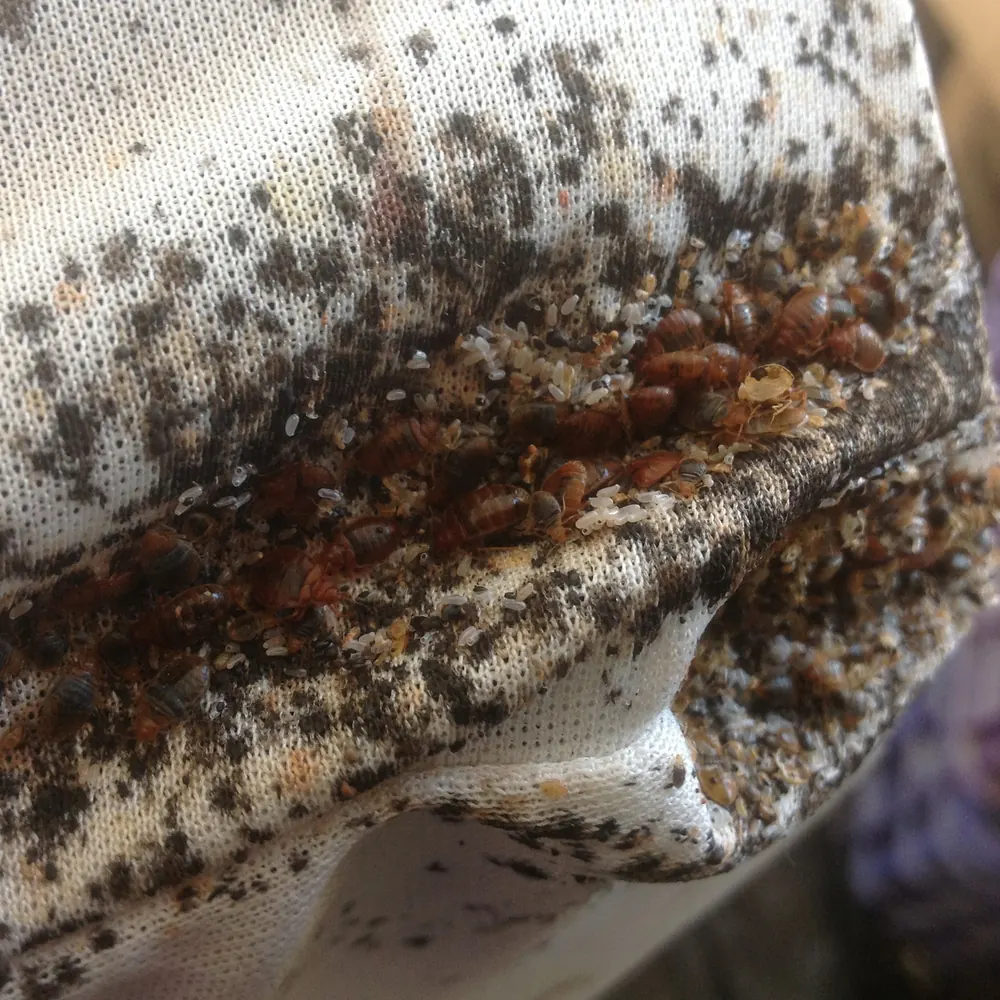
If you've found bed bugs in your Bluewater Bay home, the first thing to know is that it isn't a reflection on your housekeeping. Bed bugs are travellers. They come home in luggage, school and sports bags, second-hand furniture and visitors' belongings, and they settle wherever people sleep. They can be cleared, but it takes a methodical treatment and a follow-up, not a quick spray.
How bed bugs reach a family suburb
Bluewater Bay is a settled, residential suburb of family homes, so bed bugs here almost always arrive from somewhere else. The common stories we hear:
- A holiday or work trip, with a suitcase that sat on a hotel or guesthouse floor
- Relatives or friends coming to stay for the holidays
- A child back from a camp, tour or hostel stay
- A second-hand bed, couch or headboard bought online or from a sale
- A spare room let out to a lodger or a family member who moved in
None of these are unusual, which is why bed bugs turn up in very ordinary, very clean homes.
How to tell it's bed bugs
Bites are the first thing most people notice, often in a short line or small cluster on the arms, shoulders, neck or legs, wherever skin was against the mattress. Not everyone reacts, so one person in the bed can be covered while the other has nothing. Look for:
- Small rusty or black spots on mattress seams, the sheet corners and the headboard
- Tiny pale eggs or shed skins tucked into seams and joints
- Flat, oval, apple-seed-sized brown insects in the folds of the mattress, behind the headboard or in the bedside table
- A sweet, musty smell in a heavily infested room
If you're getting bites but can't find any of these, it may be something else entirely. Our page on identifying biting insects in Bluewater Bay can help, and fleas are a common lookalike, covered on our flea treatment page for the area.
How we treat bed bugs
- Inspection. We check the bed, base, headboard, bedside furniture, skirtings, curtains, plug points and any couches people sleep on, plus the rooms next door.
- Preparation. We'll give you a short list beforehand: wash bedding and clothes from the affected room on a hot cycle, dry them on hot, bag them, and clear the floor around the bed so we can get to the skirtings.
- Targeted treatment. We treat the seams, joints, cracks and voids where bed bugs hide, using products suited to bedrooms. You don't need to move out. Keep children and pets out of the room until treated surfaces are dry.
- Follow-up. Bed bug eggs survive most treatments, so we return to treat the bugs that hatch after the first visit. This step is what finishes the job.
Between visits, carry on sleeping in the room, vacuum around the bed every couple of days and empty the vacuum into a sealed bag outside. Keep the bed pulled slightly away from the wall so the bugs have to cross treated areas to reach you.
The mistake that spreads them
Moving to the couch or the spare room. Bed bugs follow the person they feed on, and when you change rooms you carry them with you in clothes and bedding. Before long, two rooms are infested instead of one. Stay in your own bed until we've treated, and use the time to find out how far they've spread.
Throwing out the mattress is another expensive mistake. Unless it's badly damaged, it can usually be treated, and dragging an infested mattress through the house can drop bugs along the way.
A local tip for holiday season
When guests visit over the December holidays, or you get home from a trip, keep suitcases off the bed and the carpet. Unpack in the garage or on a tiled floor, put clothes straight into the wash, and check the luggage seams before storing it. It takes ten minutes and catches most bed bugs before they settle in.
What does it cost?
It depends on how many rooms are affected, how many beds and couches need treating, and how established the infestation is. One bedroom caught early is much simpler than bugs that have spread into several rooms and lounge furniture. A follow-up is always part of a proper bed bug treatment, so it's included in how we plan the work. We'll quote after the inspection.
For the wider picture, see our bed bug control service in Port Elizabeth, or our bed bug treatment in Despatch. Other pests in the suburb are on our Bluewater Bay pest control overview.
Call 087 012 5550, or WhatsApp us a photo of what you've found on the mattress and we'll tell you if it's bed bugs.
Questions we get asked
Can bed bugs live in a clean house?
Yes. Bed bugs feed on blood, not dirt, so a spotless home is no protection. They arrive on luggage, furniture and visitors.
Do I need to throw away my mattress?
Usually not. Most mattresses can be treated. Throwing one out costs money and can spread bugs through the house on the way out.
Will one treatment get rid of bed bugs?
Rarely. Eggs survive the first treatment, so a follow-up is needed to deal with the bugs that hatch afterwards.
Can I sleep in my bed after treatment?
Yes, once the treated surfaces are dry. Sleeping in your own bed actually helps, because the bugs come out to feed and cross the treated areas.
Why does only one of us get bitten?
People react differently to bed bug bites. Often both people are being bitten, but only one gets the itchy red marks.
How do I avoid bringing bed bugs home from a trip?
Keep your suitcase on the luggage rack, not the bed or floor, check the mattress seams when you arrive, and wash your clothes on hot as soon as you get home.