
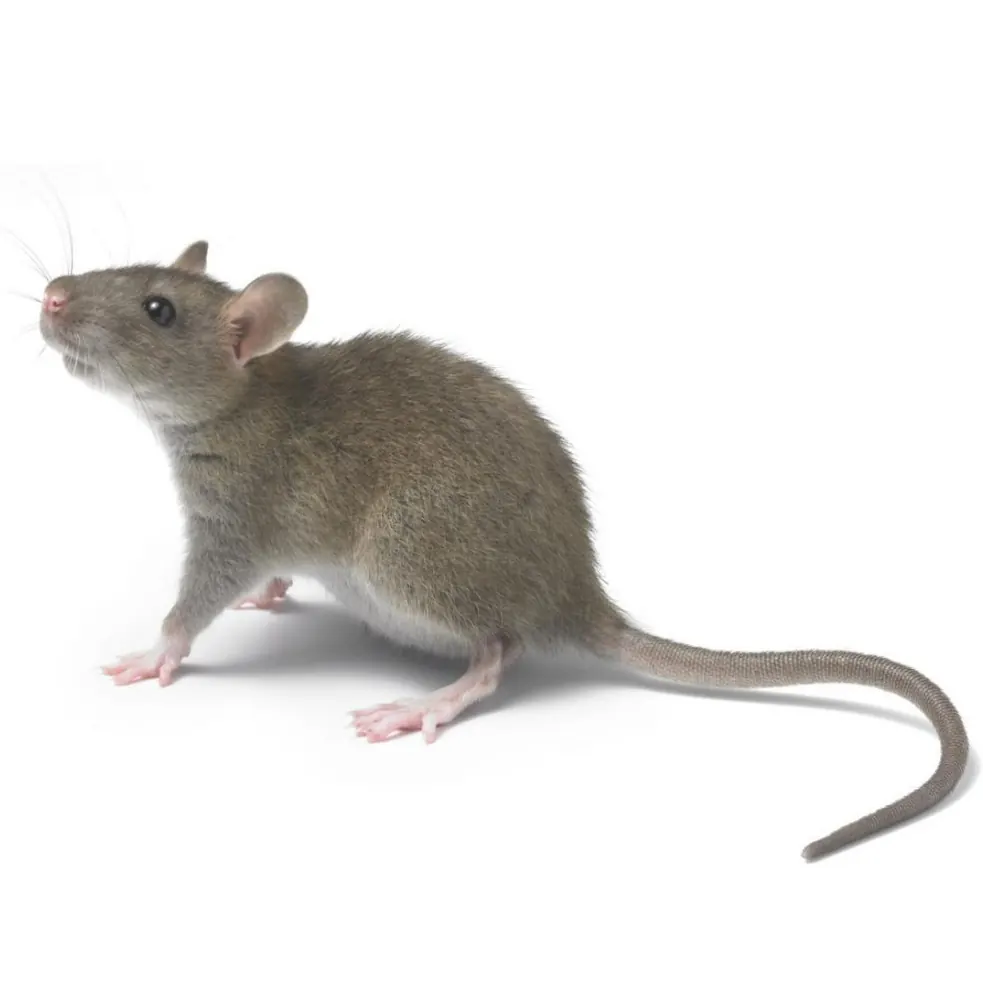
Getting rid of rodents in Bluewater Bay means working out two things: are they rats or mice, and how are they getting onto the property and into the building. The answer changes everything from where the bait stations go to which gaps need closing. We sort that out on the first visit, deal with the rodents already inside, and give you a clear list of what to fix so the next ones can't follow.
The bigger picture around the suburb
Rodents don't respect suburb boundaries. To the north of Bluewater Bay there are roads, rail lines, industrial sites and open ground, all of which can support rodents that range widely looking for food. The Swartkops River and its banks give Norway rats water, cover and soft soil to burrow in. And the suburb's own gardens, with fruit trees, compost, chicken runs, bird feeders and pet food, are an easy meal once they arrive.
That's why a single box of poison rarely solves it here. There's a steady supply of new rodents nearby, so the long-term answer is making your property hard to get into and not worth the effort.
Rats or mice?
A quick way to tell:
- Droppings. Rat droppings are about the size of a raisin or larger. Mouse droppings are like grains of rice, and there are usually a lot of them scattered around.
- Noise. Rats make heavy thumping and scurrying sounds in the ceiling. Mice are lighter and quicker, more of a scratching or pattering.
- Where you find them. Burrows in the garden and runs along walls usually mean Norway rats. Activity in the roof means roof rats or mice. Nibbled packets in a cupboard or nests in a box in the garage point to mice.
For the detail on each, see our rat page for the suburb and mouse control in Bluewater Bay garages and kitchens.
Our process
- A full inspection. Roof space where accessible, eaves, garage, kitchen, outbuildings and the garden boundary. We look for droppings, rub marks, gnawing, nests, burrows and every possible entry point.
- Treatment. Lockable, tamper-resistant bait stations outside, and traps, stations or tracking powder inside where it's appropriate. Everything is placed along the routes the rodents actually use.
- Proofing advice. We show you each gap: a lifted roof tile, a broken air brick, a gap where a pipe enters the wall, a garage door that doesn't seal, or a branch touching the gutter.
- Follow-up. We return to check the stations, record activity and confirm it has stopped.
Safe around kids, dogs and wildlife
Many Bluewater Bay families have dogs in the garden and children who play outside, and the estuary area has owls and other birds that hunt rodents. Loose poison is a risk to all of them. We only use bait in lockable stations that pets and children can't open, and we place them with your household in mind.
What people often get wrong
Stopping as soon as the noise stops. A quiet ceiling for a week doesn't mean the problem is solved; it can mean the rodents have shifted to another part of the house. Until the entry points are closed, new rodents will keep moving into the space. Proofing is the part that makes the result last.
Homes and businesses need different plans
A family home usually needs a short, focused treatment, proofing and a follow-up or two. A factory, warehouse or yard is different: deliveries, open roller doors and stored goods mean rodents can arrive at any time, so the goal is ongoing monitoring rather than a once-off clear-out. For those sites we set up scheduled visits, keep records of station activity and adjust the layout as the site changes.
A Bluewater Bay tip
Look at your roof after a windy spell. Port Elizabeth's wind lifts ridge tiles and roof sheeting over time, and every gap is a doorway for roof rats and mice. A quick check from the ground with binoculars, or by a roofer once a year, catches most of them before rodents do.
It's also worth knowing that rodent activity indoors often picks up as the weather cools. Our article on why rodents move indoors in winter explains what to look out for.
What does it cost?
Price depends on whether it's rats or mice, how many, the size of the property and how much proofing is needed. A few mice in a garage is a small job. Rats in the roof with burrows in the garden takes longer and needs follow-ups. Businesses and industrial sites usually do best on a monitoring contract with scheduled visits. We'll quote once we've seen the property.
Further inland, we also handle rodent problems in Despatch, and across the metro through our Port Elizabeth rodent control service.
Call 087 012 5550, or WhatsApp us a photo of the droppings or damage and we'll tell you what you're dealing with.
Questions we get asked
How do I know if rodents are in my roof?
Listen at night for scratching or running, and look for droppings in the roof space, along the top of walls or in the garage. Pets staring at the ceiling is another common sign.
Will rodent bait harm my dog?
Not when it's in a lockable, tamper-resistant station. Dogs can't get into them. We never use loose poison.
Why do rodents keep coming back to my house?
Because the way in hasn't been closed, and there are plenty of rodents in the wider area to replace the ones removed. Proofing the gaps is what stops it.
Do you treat factories and warehouses north of Bluewater Bay?
Yes. We work with industrial sites and businesses on scheduled monitoring contracts, with regular visits and records.
Can rodents chew through electrical wiring?
Yes. Rats and mice gnaw constantly, and wiring in the roof is a common target, which is one reason to deal with them quickly.
How long does rodent control take?
Most homes see activity drop within one to two weeks. Larger properties and heavier infestations take longer, which is why we do follow-up visits.