
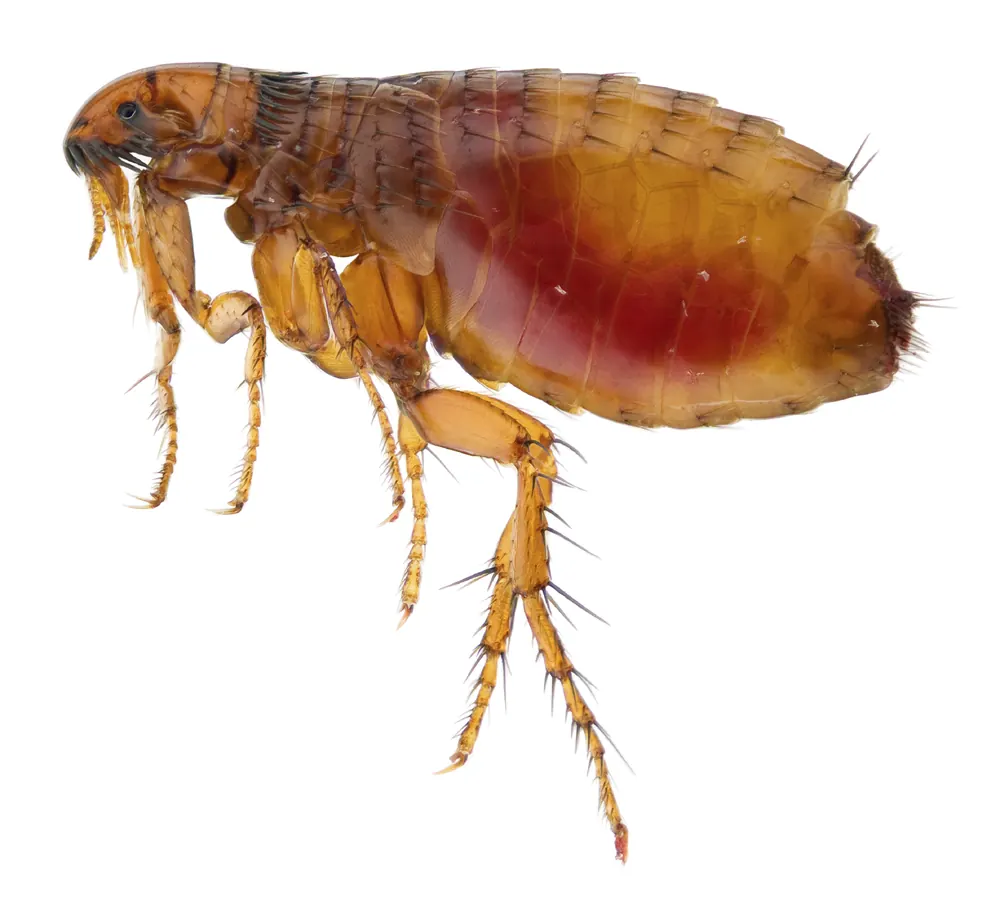
Fleas in a Bluewater Bay home are rarely just a pet problem. The adult fleas on your dog or cat are only a small part of the population. Most of it is eggs, larvae and pupae lying in carpets, pet beds and the shady, sandy corners of the garden where your animals rest. To stop the biting, the pets and the property have to be treated together, and usually more than once.
Beach dogs and sandy gardens
This is a suburb of family homes, and a lot of those families have dogs. Many are walked on the beach or along the river, and plenty spend their days in the garden. That brings them into contact with other animals and with the sandy ground where flea larvae do well.
Flea larvae like warm, shaded, slightly damp spots with a bit of organic matter: under a timber deck, beneath the outside steps, in the dog's favourite hollow under a hedge, or in the sand under the wendy house. Bluewater Bay's sandy soil and mild, humid climate suit them, and because Port Elizabeth has no hard frost, fleas can keep breeding outdoors through most of the year. They peak in the warm months.
Moved into a house with fleas?
We get a fair number of calls from families who have just moved into a Bluewater Bay home and start getting bitten within days, even though they don't own a pet yet. The previous owners' dog or cat may have left behind a carpet full of pupae, which hatch the moment the house is lived in again. Stray cats sleeping under a raised floor or in an empty garage can do the same. If you're buying or renting, it's worth asking whether there were pets, and treating before the furniture goes in is much easier than after.
Signs you've got fleas
- Small, very itchy red bites, mostly around ankles and lower legs
- Pets scratching, chewing their fur or with scabs at the base of the tail
- Tiny dark specks in the pet's coat or bedding that turn reddish when you wet them on a white tissue (that's flea dirt)
- Fleas jumping onto your legs or white socks when you walk across the carpet
- Bites appearing after you come back to a house that's been empty for a while
That last one surprises people. Flea pupae can sit dormant for a long time and hatch all at once when they sense movement and warmth, so coming home from holiday can trigger a sudden burst.
How we treat fleas
- Work out where they're breeding. Where do the pets sleep, rest and lie in the sun? Those are the hotspots inside and out.
- Pets go to the vet. Your vet treats the animals with a suitable product. Ideally this happens around the same day we treat the property.
- Indoor treatment. Carpets, rugs, under furniture, along skirtings, pet bedding areas and the car if the dog travels in it.
- Outdoor treatment. Shaded sandy areas, under decks and steps, kennels, and the spots in the garden where pets rest.
- Follow-up. Pupae are protected inside a cocoon and resist treatment, so a second visit is often needed to catch fleas as they hatch.
The family can stay home during treatment; just keep children and pets off the carpets and treated garden areas until they've dried.
What people get wrong
Stopping vacuuming after the treatment. Vacuuming actually helps: the vibration triggers pupae to hatch, which brings them into contact with the treatment, and it removes eggs and larvae. Vacuum every day or two for a couple of weeks and empty the vacuum outside each time.
The other common mistake is treating only the pets, which we cover on our page about mosquitoes, fleas and other local biters.
A local tip
Rake and rinse the dog's favourite sandy patches in the garden, and put an old towel or washable mat down where they lie under the deck. Wash it weekly on hot. Breaking up those little sand hollows where larvae collect makes a surprising difference, especially in summer.
What does it cost?
It depends on the size of the house, how much of the garden needs treatment, how many pets you have and how bad the infestation is. Catching it early with vet treatment and good vacuuming is sometimes all that's needed, and we'll tell you if that's the case. An established infestation inside and out needs a full treatment and usually a follow-up.
If you're not sure the bites are fleas, compare them with our notes on bed bugs in Bluewater Bay bedrooms. We also treat fleas across Port Elizabeth and flea infestations in Despatch.
Call 087 012 5550, or WhatsApp us and tell us where the bites are and where the pets sleep.
Questions we get asked
Why am I getting bitten when the dog has been treated?
Because most of the flea population is in the house and garden as eggs, larvae and pupae. Those keep hatching until the property is treated too.
Can I have fleas without pets?
Yes. Fleas can come from a previous owner's pets, from stray cats under the house, or from wildlife in the garden.
How long does it take to get rid of fleas?
Usually two to four weeks, because pupae hatch over time. Regular vacuuming and a follow-up treatment speed it up.
Why did fleas appear when we got back from holiday?
Dormant pupae wait for vibration and warmth. When you return and walk around, many hatch at once and look for a meal.
Do you treat the garden for fleas?
Yes. Shady, sandy spots where pets rest are often the main breeding areas, so we treat them along with the inside of the house.
Is the flea treatment safe for my pets?
Yes, once it's dry. Keep pets off treated areas until then, and use the vet's product on the animals themselves.