
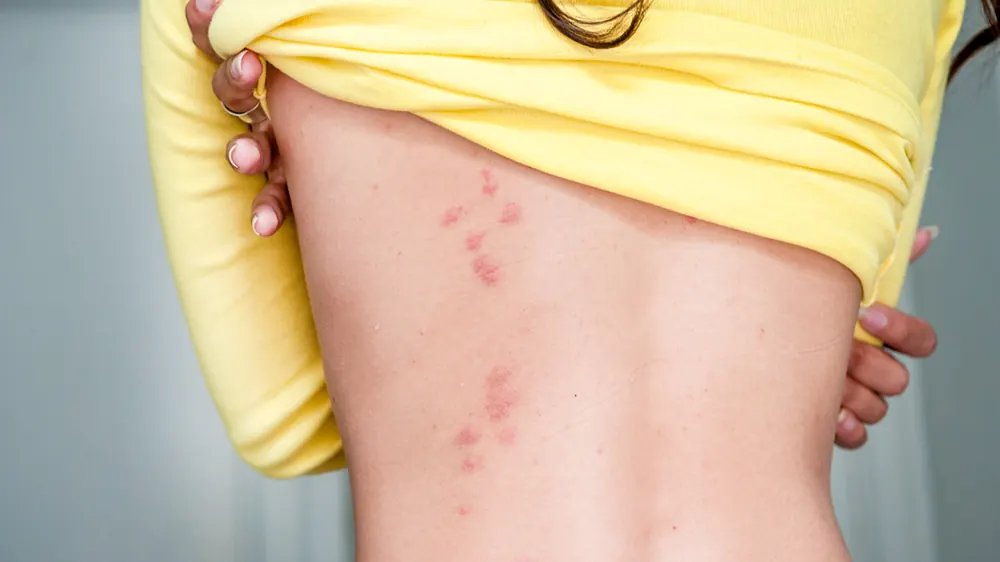
The first job with any biting problem is finding out what's doing the biting. In Bluewater Bay the usual suspects are mosquitoes, fleas, bed bugs and, less often, bird mites from a nest in the roof. Each needs its own treatment, and treating the wrong one wastes time while the bites carry on. The pattern of bites, when they happen and where in the house you are when you get them usually tells us which it is.
Living close to the estuary
Bluewater Bay sits at the mouth of the Swartkops River, with the estuary, the salt pans and low, damp ground not far away. That's mosquito country. On calm, warm evenings, especially in late summer, mosquitoes come in from the water and the wet vegetation and look for people sitting outside or sleeping with the windows open.
The other half of the story is the suburb itself: family homes, plenty of dogs and cats, and beach walks. Pets pick up fleas from sandy ground and bring them home, where the eggs drop into carpets, pet beds and shady sand under the deck.
Reading the bites
- Mosquitoes: scattered bites on exposed skin, often arms, ankles and face, usually at dusk or at night. You may hear the whine.
- Fleas: small, very itchy bites mostly around the ankles and lower legs, often in clusters. Pets scratching a lot is a strong clue. Our page on fleas in Bluewater Bay homes and gardens goes further.
- Bed bugs: bites in a line or small groups on skin that was against the bed, found in the morning. Small dark spots on the mattress seams. See bed bug treatment in the suburb.
- Bird mites: itching and tiny moving specks, often in a bedroom or ceiling area under a roof where birds have nested, usually right after the birds have left.
Keeping a simple bite diary helps
Before you call, jot down a few things for a couple of days: where on the body the bites are, which room you were in, whether they appear overnight or after time in the garden, and whether the pets are scratching. It takes a minute and it often narrows things down straight away. Bites that only appear after a night in one particular bed point one way; bites that only happen on the patio at sunset point another. If a bite swells badly or you feel unwell, see a doctor first. Our job is dealing with whatever caused it.
How we handle each one
Mosquitoes
We can't treat the estuary, but we can make your property much less inviting. That means finding standing water on your property (blocked gutters, plant saucers, buckets, unused pools, old tyres, boat covers holding rain) and treating the shady places where adult mosquitoes rest during the day with a residual barrier treatment: dense shrubs, under eaves and patio ceilings.
Fleas
Your vet treats the pets; we treat the house and garden at the same time. Carpets, pet bedding areas, under furniture and the shady sandy spots where pets lie outside. A follow-up is often needed because flea pupae hatch later.
Bed bugs
A careful inspection of beds, headboards and furniture, a targeted treatment of the affected rooms, and a follow-up visit to catch newly hatched bugs.
Bird mites
We find and remove the old nest, treat the roof space and the affected rooms, and advise on closing the gap the birds used.
A common mistake
Treating the pets for fleas and stopping there. Most of a flea population lives as eggs, larvae and pupae in the house and garden, not on the animal. Treat only the dog and the next batch hatches straight back onto it.
A local tip for mosquito season
Walk the property after rain and tip out anything holding water: pot plant saucers, the kids' toys, the wheelbarrow and the folds of a boat or pool cover. Check again a week later. Mosquitoes can go from egg to adult in a few days in warm weather, and with the estuary already supplying plenty, there's no need to add your own.
What does it cost?
It depends on which insect, the size of the property and how many rooms or outdoor areas need treatment. A flea problem usually needs a follow-up. Mosquito work depends heavily on how much garden there is to treat. If clearing standing water and using screens is enough, we'll tell you that.
Our guide to biting insects explains each one in more depth, and you can also see biting insect control in Port Elizabeth or our work with biting insects in Despatch.
Call 087 012 5550, or WhatsApp us a photo of the bites and tell us when you get them. That alone often tells us what you're dealing with.
Questions we get asked
Can you get rid of mosquitoes completely near the estuary?
No one can stop mosquitoes coming from the estuary itself. We can cut down how many breed on your property and how many rest around your house, which makes a real difference outside and in.
How can I tell flea bites from mosquito bites?
Flea bites are usually small, in clusters, and mostly on the ankles and lower legs. Mosquito bites are bigger, more spread out and on any exposed skin.
Do bed bugs mean my house is dirty?
No. Bed bugs come in on luggage, clothes and second-hand furniture. Very clean homes get them too.
Should I treat my dog before or after you treat the house?
Ideally at the same time. Ask your vet to treat the pets around the day we treat the house and garden, so the cycle is broken in both places.
What are bird mites?
They're tiny mites that live in bird nests. When the chicks leave, the mites go looking for a new host and can bite people in rooms below the nest.
Is a barrier treatment for mosquitoes safe in the garden?
Yes. Keep children and pets away from treated plants and surfaces until they're dry.