
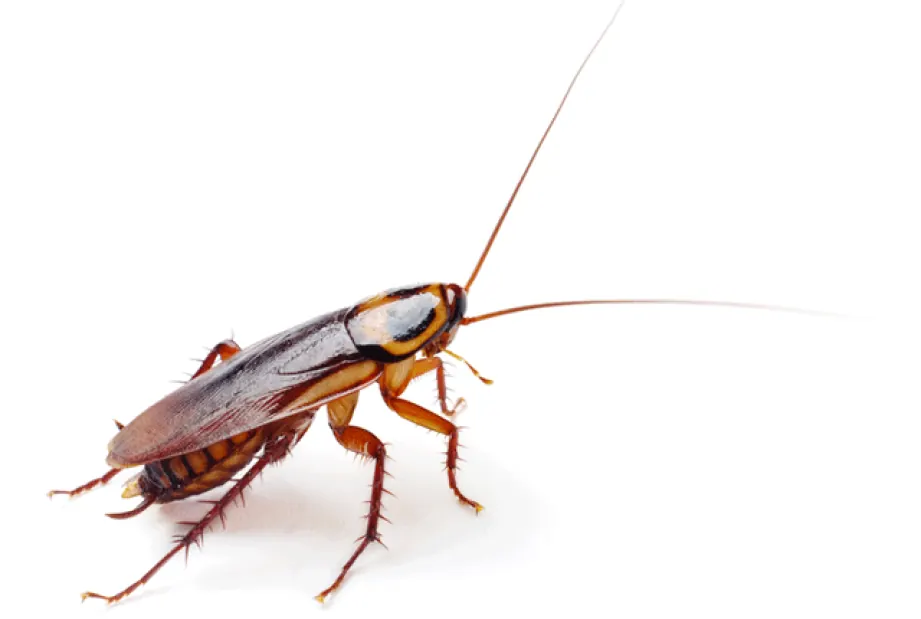
In a lot of older Mill Park homes, crawling insects aren't coming in through the front door. They're coming up from underneath. Suspended timber floors, gaps along the skirtings and the space below the floorboards give ants, cockroaches, fishmoths and crickets a sheltered route into almost every room. Treating that route, and narrowing it, is what stops them for good.
The space under your floor
Many houses of Mill Park's age were built with timber floors raised off the ground, with air bricks in the outside walls to ventilate the gap underneath. It's a sound way to build, and it keeps the floors dry. But the underfloor space is also dark, sheltered and usually undisturbed for years. If an air brick is broken or the mesh behind it has rusted away, insects and the odd rodent can move in freely.
From there, it's a short trip up into the house. Floorboards shrink over the decades and leave thin gaps between boards and along the walls. Skirting boards pull away slightly. Pipes for old radiators, plumbing or wiring pass through the floor with no seal around them. Each of these is an entrance.
What's usually doing the crawling
- Ants trail along skirtings to the kitchen and pantry, often after rain has flooded their nests outside.
- Cockroaches, especially the large American kind, come up from drains and underfloor areas at night.
- Fishmoths (silverfish) live in the quiet, slightly damp spaces behind skirtings and in cupboards, eating paper, glue and starch.
- Crickets and beetles wander in from leaf litter under the trees and end up in passages and bathrooms.
- Spiders follow all of the above, because that's what they eat.
If fishmoths are the main issue, our page on fishmoths in Mill Park cupboards and books goes into how they damage stored items.
Signs the problem is coming from below
- Insects appearing along the edges of rooms rather than in the middle
- The same spot every time, such as one corner of the passage or beside a particular pipe
- Activity in rooms with no food at all, like spare bedrooms and studies
- Fine dust or debris pushed up between floorboards
- A musty smell near air bricks or underfloor hatches
Our approach
- Inspect inside and out. We look at every air brick, the base of the walls, door thresholds, skirtings and pipe entries, and the kitchen and bathroom drains.
- Identify the insects. Each one needs something different, so we work out exactly what's there.
- Treat the routes. An odourless, non-staining residual spray along skirtings, thresholds and accessible gaps, and around air bricks and the outside base of the walls. It won't mark timber floors.
- Bait where baits work better. Gel baits in cracks for cockroaches and ant baits on active trails, so the colony is dealt with and not just the workers.
- Show you what to seal. Missing air brick mesh, gaps around pipes and skirtings that have lifted.
You can stay at home during the treatment. Keep children and pets off treated floors and skirtings until they're dry.
A Mill Park tip worth doing
Walk around the outside of the house and look at every air brick. Don't block them, because the floor needs the airflow, but replace broken ones and make sure the mesh behind them is intact. It's cheap work for a handyman and it closes the main back door to the underfloor space.
What people get wrong
Filling every gap between floorboards with sealant. It looks tidy for a while, but timber moves with the seasons and the filler cracks out again. Worse, it can trap moisture. Sealing at the skirting line and around pipes, and treating the gap behind the skirting, is more effective and kinder to old floors.
What does it cost?
It depends on the size of the house, whether we need to treat the underfloor space as well as the rooms, and which insects are involved. A smaller home with ants coming in at one wall is quick. A large house with cockroaches coming up through several rooms takes longer and may need a follow-up visit. If it's only a few crickets in autumn, you probably don't need us at all.
For the full picture, read our guide to crawling insects or see crawling insect treatments across Port Elizabeth. We do the same work in Walmer's older homes, and the main Mill Park pest page covers the suburb's other common pests.
Call 087 012 5550 to book, or WhatsApp us a photo of what's crawling out of the floor and we'll tell you what it is.
Questions we get asked
Should I block my air bricks to keep insects out?
No. The underfloor space needs ventilation or the timber can rot. Replace broken air bricks and make sure the mesh is intact instead.
Will your treatment damage old wooden floors?
No. We use odourless, non-staining products and apply them along the edges and in gaps, not across the floor surface.
Do you go under the floor?
Where there's safe access through a hatch, we can treat the underfloor area. Otherwise we treat around air bricks and the routes leading up into the house.
Why are there insects in a room with no food?
Because they're passing through or sheltering. Gaps along skirtings and floors lead from the underfloor space into any room, kitchen or not.
How soon will I see fewer insects?
Most people notice a drop within a few days. Cockroaches and ants taking bait may be seen a little more at first before activity falls away.
Do I need to empty the cupboards?
Only the ones we're treating inside. We'll tell you which ones before the visit so you're not unpacking the whole house.