
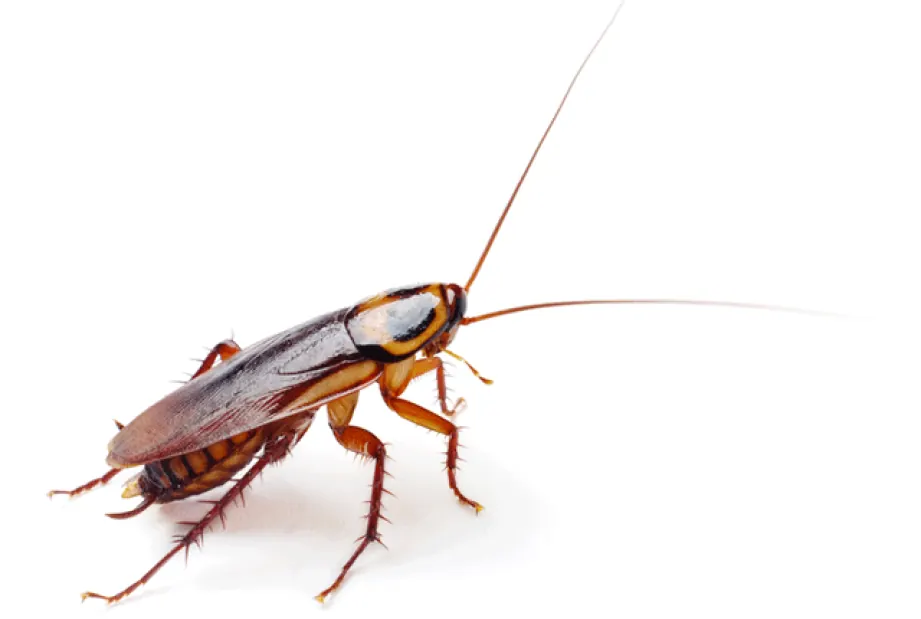
Crawling insects are only out in the open for a small part of their lives. The rest of the time they're tucked into cracks in plaster, gaps behind cupboards, hollow skirtings, electrical boxes and the folds of cardboard. In Kariega, with its older housing stock and a lot of warehouse and factory floor space, there are more of those hiding places than in most towns. So the real work is finding them, and that's where we start.
Which crawling insects matter in Kariega
Cockroaches
German cockroaches are the indoor breeders, living in kitchens, canteens and anywhere with warmth and crumbs. American cockroaches are the large reddish ones that come up through drains on hot evenings. For the full picture, read about cockroach treatments in Kariega.
Ants
Ants are the most common crawling insect callout in summer. As the soil dries, colonies forage further and come indoors for water. We cover the details on our page about ants in Kariega homes.
Fishmoths
Fishmoths need damp, so in a dry town they gather where moisture exists: bathrooms, under basins, laundry areas and boxes stored in garages. Older built-in cupboards are a favourite.
Crickets, beetles and scorpions
Crickets and ground beetles wander in under doors on warm nights, especially where lights draw them to the building. Scorpions aren't insects, but they crawl in the same places and are treated with similar barrier work. On dry ground they're more common than on the coast.
Why warehouses get crawling insects
Many of Kariega's warehouses serve the automotive plant and the suppliers around it. Stock comes in on pallets and in cardboard, and both carry insects and their eggs. Cardboard is also a perfect hiding place: corrugations give cockroaches somewhere dark and warm, and fishmoths feed on the glue and paper. Long racking runs, floor-wall joints and drains in loading bays add up to a large area that's easy to overlook. Monthly or quarterly crawling insect treatment, with monitoring traps placed along walls, shows us where activity is starting before it spreads.
How we treat crawling insects
- Inspection and monitoring. We look for droppings, egg cases, shed skins and live insects, and in larger buildings we put down sticky monitors to map activity.
- Crack and crevice baiting. Gel baits for cockroaches and colony baits for ants go exactly where the insects travel and shelter.
- Residual barrier. An odourless, non-staining residual spray around the outside of the house, along door thresholds and around drains stops new arrivals from outside.
- Follow-up. Cockroach eggs and ant colonies take time, so we come back to check and re-treat where needed.
There's no need to leave the house for these treatments. Just keep children and pets off sprayed surfaces until they've dried.
Signs to look out for
- Small dark droppings, like ground pepper, on cupboard shelves and hinges
- Brown egg cases tucked into corners or behind appliances
- Shed skins and dead insects along skirtings
- Holes or scraped patches on wallpaper, book spines and cardboard boxes, a sign of fishmoths
- Ant trails that appear at the same time every day, often along a pipe or cable
If you only see insects at night, switch the kitchen light on suddenly an hour after bedtime. What runs for cover tells us a lot.
A tip for older Kariega homes
Look at the gap between the kitchen cupboards and the wall, and around the pipes under the sink. In older homes these gaps have often opened up over the years. A bead of sealant or a pipe collar costs little and removes a highway that cockroaches and ants use every night.
What gets people into trouble
Bombing the house with a fogger. Foggers settle on open surfaces, but crawling insects are inside the walls and cupboards, out of reach. Worse, the fumes can push German cockroaches into new areas of the house, making the problem wider rather than smaller.
What does it cost?
The size of the area, the type of insect and how settled it is all play a part. A house with ants is quick. A home with German cockroaches usually needs a follow-up. A warehouse on a monitoring programme is priced on the floor area and how often we visit. Sometimes, with a few crickets or a small ant trail, keeping doors sealed and using a shop bait is enough, and we'll tell you that. Otherwise we'll quote after an inspection.
For more on how these insects live, see our crawling insect guide, or our crawling insect treatments around Port Elizabeth.
Call 087 012 5550, or WhatsApp us a photo of what you're finding and we'll tell you what it is.
Questions we get asked
What counts as a crawling insect?
Cockroaches, ants, fishmoths, crickets and beetles mainly. We also treat spiders and scorpions with similar methods, although they aren't insects.
Why are there fishmoths in my house when Kariega is so dry?
They gather in the few damp spots, like bathrooms, under sinks and in boxes in the garage. Drying those areas helps a lot.
Do you need to empty my kitchen cupboards?
For cockroach baiting, usually not completely. We'll tell you beforehand if any cupboards need clearing so we can reach the cracks.
Can you treat our warehouse without moving stock?
Mostly, yes. We treat along walls, racking bases and loading areas, and only ask for stock to be moved where there's heavy activity.
How quickly will I see a difference?
Ant trails usually fade within days. Cockroaches drop over one to two weeks as the bait passes through the colony.
Is one treatment enough?
Sometimes. For German cockroaches and bigger ant colonies, a follow-up is often needed to catch the next generation.