
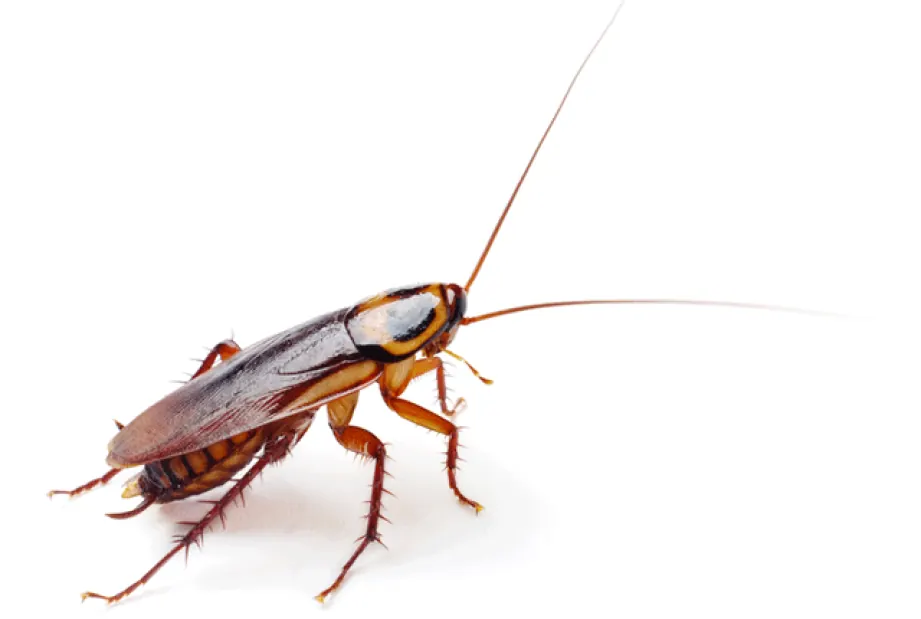
Crawling insects in a Newton Park home or flat are nearly always travelling along a route you can find: a pipe duct, a gap behind the kitchen units, a crack in old paving or the floor drain in the bathroom. Treat the route and the hiding places along it, and the problem stops. Spray the middle of the kitchen floor, and it doesn't.
Which crawling insects we mean
- Cockroaches. Small German cockroaches in kitchens, especially in flats and food businesses, and large American cockroaches that come up from drains and outside.
- Ants. Several species, from tiny ants on the counter to bigger ones nesting under paving and along the foundations.
- Fishmoths. Silvery, wingless and fast, living in dark cupboards, behind skirting boards and in stored paper and boxes.
How the buildings in Newton Park shape the problem
Shared walls in flats and complexes
In a block of flats, plumbing and electrical ducts run from unit to unit. Cockroaches use them like corridors. If the flat below you has an infestation, you can clean your kitchen spotless and still see them. That's why, in multi-unit buildings, we push for the affected units to be treated together, along with the bin room and any common kitchen.
Older homes and older plumbing
Many Newton Park houses have been around for a long time. Old drains with cracked joints, gaps where pipes go through walls, and wooden floors with space underneath give American cockroaches an easy way in from outside. Built-in cupboards and old wardrobes that rarely get emptied are perfect for fishmoths.
Gardens and paving
Established gardens with paving laid years ago tend to have ant nests underneath. When it rains, or in the heat of summer, the trails head straight for the kitchen through the gap under the back door or along the edge of the stoep.
Shops and offices on the main roads
Businesses get deliveries in cardboard boxes, which is one of the most common ways German cockroaches arrive. Staff kitchenettes with a kettle, a microwave and a drawer of sugar sachets keep ants and cockroaches fed.
Signs to look for
- Small dark droppings like ground pepper in cupboard corners and hinges (cockroaches)
- Brown, purse-shaped egg cases behind appliances
- Lines of ants along skirting boards, window sills or electrical cables
- Little piles of soil between paving bricks
- Irregular holes or scraped patches on paper, book bindings and wallpaper (fishmoths)
- A musty, oily smell in a cupboard that hasn't been opened for a while
How we treat crawling insects
- We follow the trail. The inspection looks at drains, pipe entries, cupboards, behind the fridge and stove, under the sink, and outside along the foundations.
- Baits go where they live. Gel baits for cockroaches go into cracks and crevices; ant baits go along active trails so the workers carry them back to the nest.
- Residual sprays seal the routes. An odourless, non-staining residual spray goes along entry points, drains and outdoor perimeters, and into the places fishmoths hide.
- We come back if eggs are involved. Cockroach egg cases are protected, so a follow-up visit catches the next hatch.
There's no need to move out while we work; kids and pets should simply stay off sprayed areas until the product has dried.
What people often get wrong
Mixing baits and sprays themselves. If you spray over the top of a cockroach gel bait or an ant bait station, the insects avoid it, and the bait stops working. Once we've treated, leave the bait alone and let it do its job, even if you see more insects for a few days.
A local tip
In older Newton Park homes, fill the gap where the sink waste pipe goes into the wall, and keep a cover or plug on floor drains at night. Those two small gaps account for a lot of the cockroaches we find in kitchens and bathrooms here.
What does it cost?
The size of the property, which insect it is and how far it's spread all make a difference. A few ants in a kitchen is a quick job and sometimes a good shop-bought bait will do it. A German cockroach infestation through a block of flats, or a commercial kitchen, needs more time and a follow-up. We'll give you a quote after the inspection.
For more on a single pest, see cockroach treatment in Newton Park or dealing with ant trails in Newton Park. Our crawling insect guide covers the biology, and crawling insect control across Port Elizabeth covers the rest of the city. Nearby, we also treat crawling insects in Mill Park's older homes.
Call 087 012 5550, or WhatsApp us a photo and we'll tell you what you're dealing with.
Questions we get asked
Why do I get cockroaches when my flat is clean?
Because they often come from a neighbouring unit through pipe and electrical ducts. Cleanliness helps, but in shared buildings the source can be next door.
Should I spray ants when I see a trail?
It's better not to. Spraying kills the workers you see and can make the colony split. Baits that they carry back to the nest clear it properly.
Are fishmoths harmful?
They don't bite or spread disease, but they damage paper, books, photos, clothing and wallpaper over time, so it's worth dealing with them.
How long does a crawling insect treatment take to work?
Ants and cockroaches usually drop off noticeably within a week or two. Cockroaches may need a follow-up for eggs that hatch after the first visit.
Do you treat the whole building or just my unit?
Whatever's needed. For cockroaches in flats, treating the affected units and common areas together works best, and we can arrange that with the landlord or body corporate.