
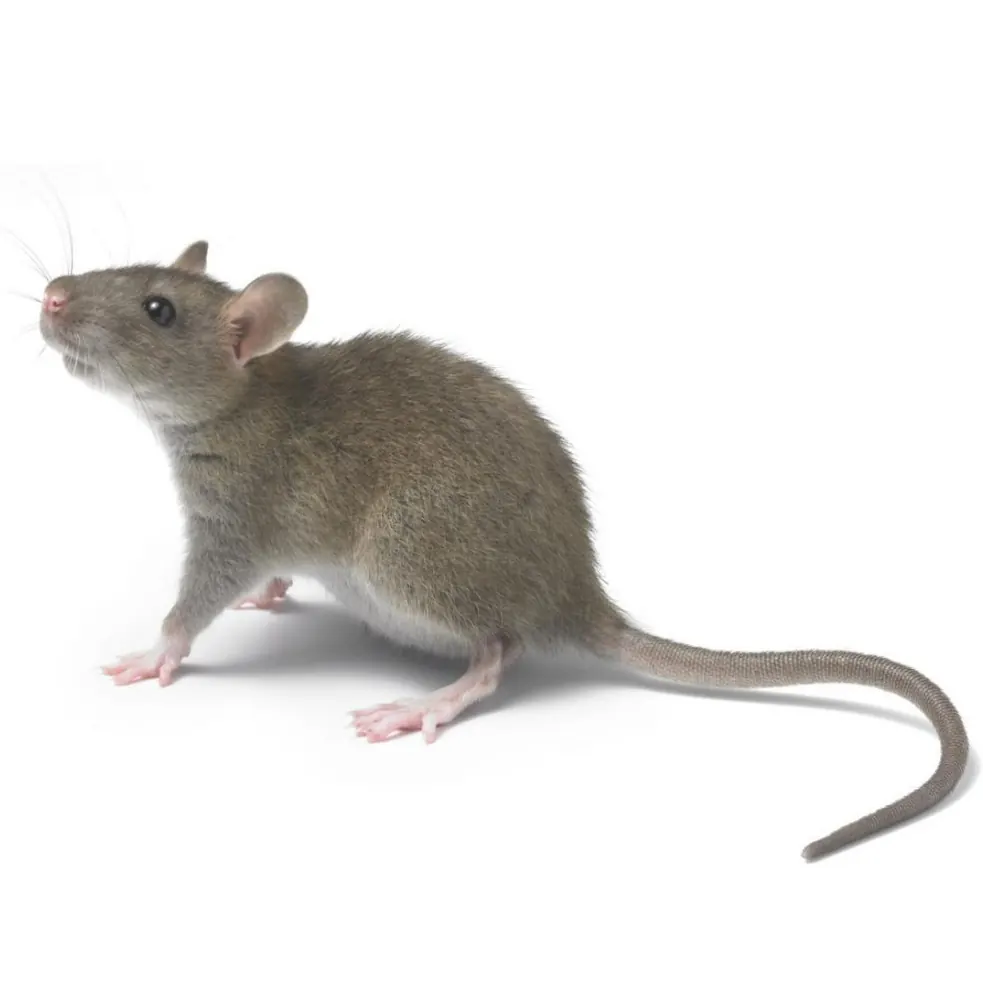
In Mill Park, rodent problems usually have two halves. Rats tend to come in high, through the roof, using branches from the area's big trees. Mice and some rats come in low, through air bricks, gaps under doors and holes around pipes into the space under a timber floor. Good rodent control here means checking both levels, treating what's already inside and closing the routes, otherwise the next lot moves straight in.
Rats, mice, or both?
It matters, because they live in different places and are caught in different ways.
- Rats leave droppings roughly the size of a raisin or bigger, make heavy, thumping noises in the ceiling and chew through bigger things, such as irrigation pipes and wiring insulation. In Mill Park the roof rat, a climber, is the one we meet most.
- Mice leave droppings about the size of a rice grain, make lighter scratching sounds and get through gaps as small as a pencil is thick. They often live in wall cavities, under floors and inside kitchen units.
It isn't unusual to have both in a large older house. For the specifics of each, see rats in Mill Park roofs and trees and mice in Mill Park kitchens and floors.
Why the suburb suits rodents
The trees are the obvious part. Mature branches touching the roof or running alongside the gutters let roof rats travel from garden to roof without touching the ground. Mill Park's proximity to St George's Park and the general green cover of the area also means plenty of shelter and food in gardens: fruit, seeds, compost and bird feeders.
The buildings are the other part. Large roof voids with old insulation give rodents warm, undisturbed space to nest. Suspended timber floors create a second sheltered level underneath. And decades of wind lifting tiles, timber shrinking and old pipes being replaced without sealing the holes all add up to lots of small entrances.
Signs to look for
- Noise in the ceiling or under the floor at night
- Droppings in the roof space, along skirtings, in kitchen drawers or in the garage
- Gnawed wood, plastic or food packaging
- Greasy smudges along beams, pipes or the edge of an air brick
- Shredded paper, insulation or fabric collected into a nest
- A stale, musty smell in a cupboard or roof space
Our rodent control process
- Full inspection. Roof space, eaves, garage, kitchen, underfloor vents, the garden boundary and any trees close to the house.
- Treatment matched to the rodent. Lockable, tamper-resistant bait stations outside and in the roof, traps where bait isn't suitable, and tracking powder in voids where we need to see where they're running.
- Proofing advice. A clear list of gaps to close, from branches to cut back to air bricks with broken mesh and holes around pipes.
- Follow-up to check stations, remove what's been caught and confirm the activity has stopped.
Lockable stations keep children, pets and wildlife away from the bait, which matters in a suburb with plenty of birds and garden animals.
Offices, practices and guesthouses
A converted house running as a business has the same old structure, plus more food, more bins and more people coming and going. Droppings in a guest kitchen or a mouse in a consulting room can't wait for the owner to get around to it. We set up scheduled monitoring, with bait stations checked on a regular cycle and a record kept of each visit.
A local tip
Look at your property from the street. Any branch that touches the roof, gutters or a power line leading to the house is a rat route. Cutting branches back so there's a clear gap above and around the roofline is often the single biggest change you can make in Mill Park.
What people get wrong
Putting loose poison in the roof and closing the trapdoor. The rodents eat it, die in a wall or under the floor, and the smell fills the house for weeks. Loose bait is also a danger to owls, dogs and cats. Bait belongs in a lockable station, placed on a runway.
What does it cost?
It depends on how many rodents there are, whether it's rats, mice or both, the size of the roof and floor spaces, and how much proofing is needed. A few mice in one kitchen is a small job, and good snap traps may be enough on their own. A large house with rats coming in through several points takes more visits. Businesses usually go on a monitoring contract. The Mill Park pest guide covers the suburb's insects too. See also rodent control in Port Elizabeth, rodent work in Newton Park and our article on why rodents move indoors in winter.
Call 087 012 5550 to book an inspection, or WhatsApp us a photo of the droppings and we'll tell you what you've got.
Questions we get asked
Can rats and mice be in the same house?
Yes, and in larger older homes it's fairly common. Rats often take the roof while mice use wall cavities and the space under the floor.
Is it worth having the underfloor space checked?
Yes, if you have a suspended timber floor. Broken air bricks and open pipe holes there are a common way in for mice.
Will bait stations harm the owls and birds in my garden?
Lockable stations keep birds and pets from the bait, and we place and check them carefully. That's why we never scatter loose poison.
How long does it take to clear rodents?
Many homes see activity drop within a couple of weeks. Larger properties, or ones with several entry points still open, take longer.
Do you remove dead rodents?
We remove what's in traps and stations on our follow-up visits. Bait in stations, rather than loose, reduces the chance of rodents dying in walls.
Can you keep records for my office or guesthouse?
Yes. On a monitoring contract we record every visit, what was found and what was done.