
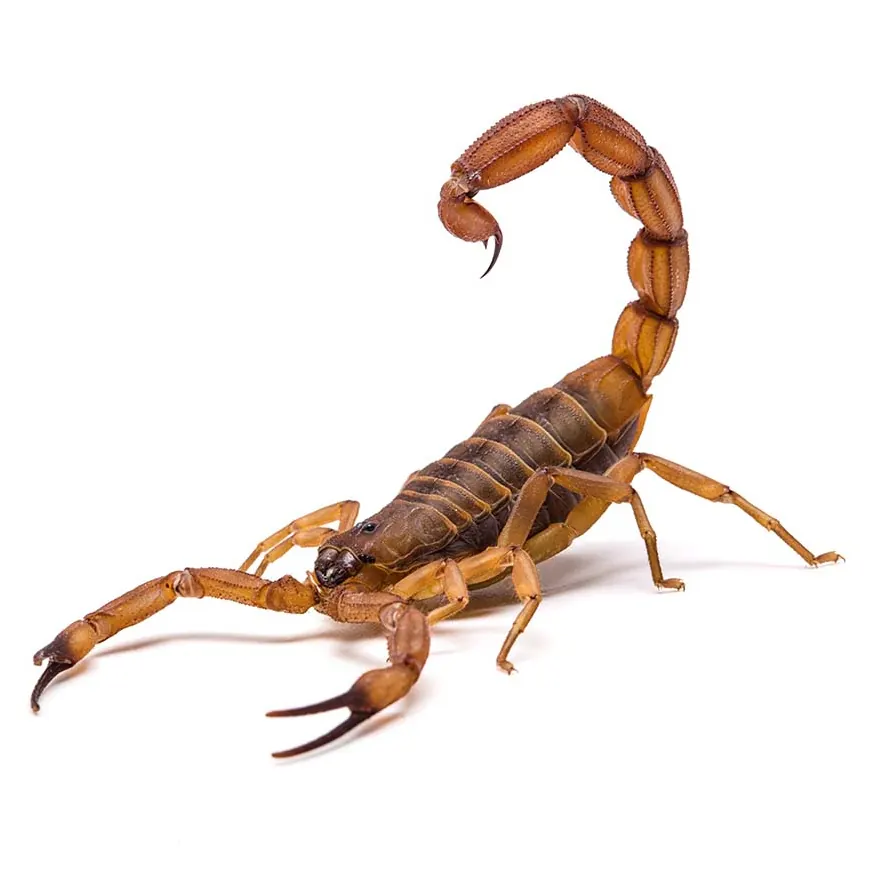
If you've found a scorpion in or around a Mill Park home, the first thing to know is that it's not a sign the house is overrun. In a long-established suburb, scorpions are much less common than on the bushy edges of the city. When they do turn up, it's usually because something in the garden is giving them shelter close to the house: an old stone wall, a rockery, a pile of firewood, rubble behind the garage or pot plants clustered against the walls. Find and change those spots, treat where needed, and the visits usually stop.
Where scorpions shelter in an older garden
Scorpions hide by day and hunt at night. They want tight, dry crevices with insects nearby. Mill Park's older gardens can offer exactly that:
- Old stone and brick garden walls with gaps in the mortar
- Rockeries and stone edging around beds
- Firewood stacked against the house or the boundary wall
- Building rubble and old paving slabs left behind the garage or shed
- Deep leaf litter and loose bark under mature trees
- Pot plants and planters pushed up against the walls
From there they may wander in through a gap under a door, a broken air brick into the underfloor space, or a garage that's left open at night.
Which scorpions matter?
A useful rule of thumb in South Africa: look at the pincers and tail. Scorpions with large, heavy pincers and a thin tail are generally considered less dangerous; their sting is painful, rather like a bee sting. Scorpions with small, slender pincers and a thick tail can deliver a more serious sting and need more respect. Either way, don't pick one up, and if someone is stung and has more than local pain, get medical advice.
Take a photo from a safe distance and send it to us. It helps us tell you what you're dealing with.
Signs scorpions are around
- Finding one indoors, often in a bath, shoe, under a towel or near a door
- Seeing them on walls or paving at night, especially with a torch
- Finding them when moving pots, firewood or stones in the garden
- Plenty of crickets, beetles and other insects around, which they feed on
Scorpions and spiders often share the same hiding spots. If both are turning up, our page on spiders around Mill Park homes covers that side of things.
How we deal with scorpions
- Inspection of the garden and perimeter. We look at walls, rockeries, wood piles, rubble, door thresholds, air bricks and the garage to work out where they're sheltering and getting in.
- Targeted treatment of hiding spots. An odourless, non-staining residual product goes into crevices in walls, around rockeries, at the base of the house walls and at entry points.
- Perimeter barrier. A treated band around the outside of the house helps stop wandering scorpions from getting indoors.
- Habitat advice. What to move, lift or clear so the garden is less inviting near the house.
You don't need to leave home during treatment. Keep children and pets off treated areas until they're dry.
A tip for Mill Park gardens
Move firewood and any stacked materials at least a few metres away from the house and lift them off the ground on a rack. A neat stack against a sunny wall is about the best scorpion shelter you can build, and it puts them right next to your back door. While you're at it, pull pot plants a little away from the walls so the gap behind them isn't a hiding place.
What people get wrong
Assuming one scorpion means an infestation and spraying the whole garden. In an established suburb, a single scorpion is usually a wanderer, and blanket spraying kills far more harmless and beneficial insects than scorpions. Targeting the actual hiding places is both more effective and kinder to the garden. The other mistake is the opposite: walking barefoot outside at night in summer. Wear shoes and use a torch.
Protecting children and pets
Shake out shoes, boots and clothes left on the floor before putting them on, and check children's sandpits and outdoor toys. Keep beds pulled slightly away from walls and bedding off the floor in rooms where you've found a scorpion. Dogs and cats sometimes get stung investigating them, so take a pet to the vet if it's in obvious pain.
What does it cost?
It depends on the size of the garden, how many hiding spots there are and whether a perimeter barrier is needed. If you've found one scorpion and can see where it probably came from, clearing that spot yourself may be enough. If they keep turning up, or you're worried about young children, a targeted treatment is worthwhile.
See scorpion control across Port Elizabeth, what we do for scorpions in Walmer and its bushier edges, and the full Mill Park pest overview.
Call 087 012 5550, or WhatsApp us a photo of the scorpion, taken from a safe distance, and we'll tell you what it is.
Questions we get asked
Are scorpions common in Mill Park?
Not very. They're much less common here than on the bushy edges of the city, but they do turn up in gardens with walls, rockeries and wood piles.
How can I tell if a scorpion is dangerous?
As a rough guide, small slender pincers with a thick tail mean a more serious sting; big pincers with a thin tail usually mean a painful but less serious one. Get medical advice after any sting with more than local pain.
Should I kill a scorpion I find indoors?
If you can do it safely, you can trap it under a glass, slide card underneath and release it far from the house. Don't handle it.
Will a treatment stop scorpions coming into the house?
A barrier around the house and treatment of their hiding places reduce them a lot, especially combined with clearing shelter near the walls.
Do scorpions live in roofs?
It's unusual. They prefer ground-level crevices in walls, rocks and wood piles, though they can climb rough walls.
Can my dog be stung?
Yes, dogs sometimes get stung investigating them. If your pet is in obvious pain or swelling after a sting, see the vet.