
If you're finding a mix of insects in a Mill Park house, such as ants in the kitchen, a cockroach in the bathroom, fishmoths in the linen cupboard and flies in summer, you don't need five separate treatments. You need one proper inspection that works out where each of them is coming from, and a treatment plan that covers the house and garden together. That's what our general insect control is for.
Why older Mill Park properties collect a bit of everything
A house that has stood for many decades has had a long time to develop small faults. Floorboards shrink and open gaps along the skirtings. Old cupboards come away from the wall. Window frames and door thresholds wear. None of these are serious on their own, but each one is a hiding place or a doorway for something.
The garden plays its part too. Mill Park's mature trees drop a steady layer of leaves, and thick shade keeps beds and paving damp. That's ideal for ants, crickets, beetles and other insects that live in leaf litter, and it means there's always a healthy population just outside the back door waiting for a reason to come in.
Then there's how the building is used. A family home, a guesthouse with a breakfast room and a small practice in a converted house each have different traffic, different kitchens and different hours. We plan the treatment around how you actually use the place.
The insects we cover
- Crawling insects: ants, cockroaches, fishmoths (silverfish), crickets, beetles and the like.
- Flying insects: house flies, fruit flies, mosquitoes and moths, especially around kitchens and bins.
- Biting insects: fleas, bed bugs and bird mites, which need a more specific approach and are covered on their own pages.
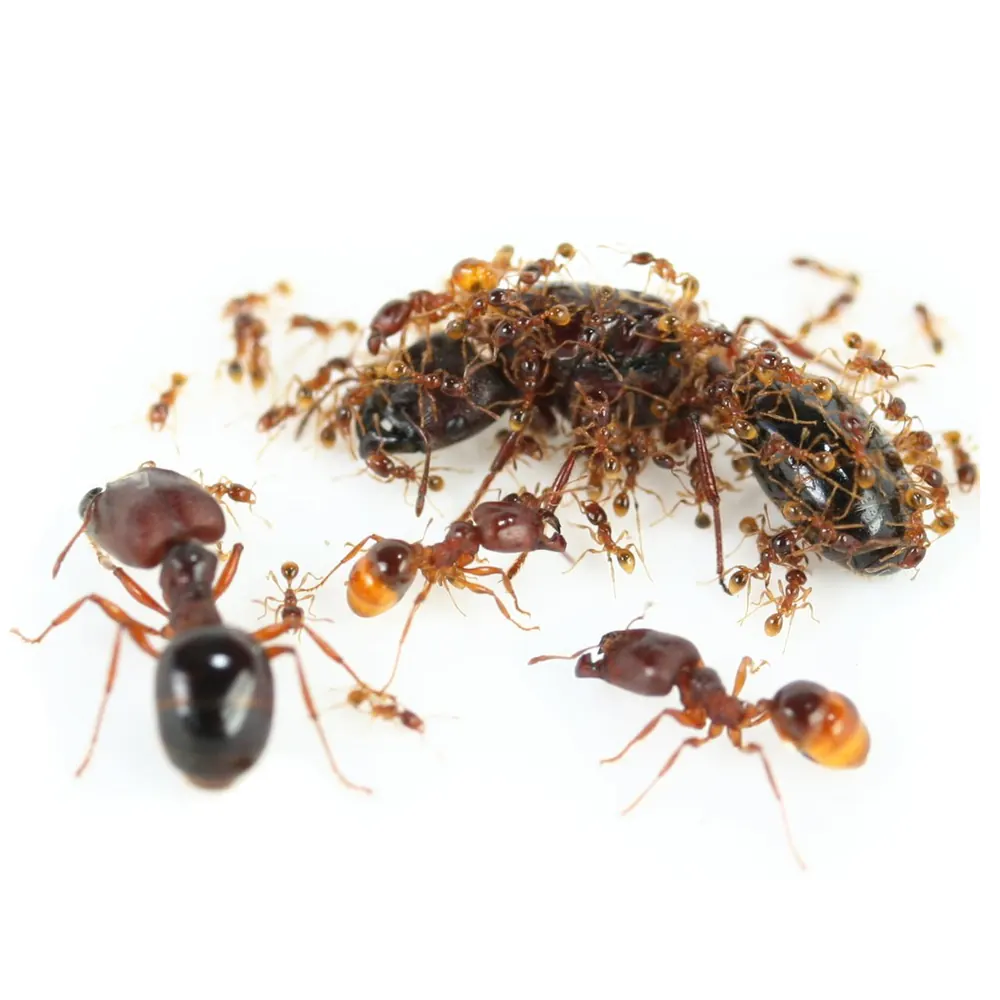
Ants are the most common single complaint we get here, and they behave differently from the rest. If they're your main problem, have a look at ant control for Mill Park homes, because sprays alone tend to make ant trails worse.
How we work through a property
We start with questions: what have you seen, in which rooms, and at what time of day? Then we walk the house and garden.
- Kitchen and bathrooms first. These are where water and food are, so they're where most indoor insects concentrate. We look behind appliances, under sinks, inside the geyser cupboard and around drains.
- Cupboards, shelves and storage. Built-in cupboards in older homes often have dark, undisturbed corners where fishmoths and cockroaches settle.
- Floors and skirtings. Gaps along timber floors are highways for ants and hiding places for small insects.
- The outside perimeter. Door thresholds, air bricks, the base of walls and the beds closest to the house.
Treatment then matches the insect: gel baits in cracks for cockroaches, ant baits that workers carry back to the nest, and an odourless, non-staining residual spray along skirtings, thresholds and the outside of the house where it's useful. We tell you what's been treated and how long to keep children and pets off it. You won't need to move out.
A tip that suits Mill Park gardens
Keep a strip next to the house free of leaf litter and thick mulch. Under big trees it builds up quickly, and a damp layer of leaves against the wall is a ready-made nursery for crawling insects right next to your air bricks and doors. Raking back a hand's width from the walls makes a noticeable difference, and it's free.
The mistake we see most
Using a can of household insect spray every time something appears. It kills what you see, but it also scatters ants into new nests, drives cockroaches deeper into cracks and can contaminate the very spots where a bait would have worked. If you've been spraying for months and the problem keeps returning, that's usually why.
Homes versus businesses
For a home, a general insect treatment once or twice a year, timed for the warmer months, is often enough once the main problem is under control. Guesthouses, offices and practices usually do better on a regular schedule, so that a problem gets caught before a guest or client sees it. We keep a record of each visit, which helps if you need to show that pest control is being done.
What does it cost?
The size of the house and garden matters most, followed by which insects are involved and how established they are. A small home with ants and the odd cockroach is a short visit. A large guesthouse with several kitchens, rooms and outbuildings takes longer. If all you have is a single ant trail after rain, a shop-bought ant bait placed on the trail may be all you need, and we'll tell you so.
For the wider picture, see insect control across Port Elizabeth or the in-depth insect control guide. The Mill Park pest control overview covers rats, wasps and bird mites too, and we also handle insect problems in neighbouring Newton Park.
Call 087 012 5550 to arrange an inspection, or send us a photo on WhatsApp and we'll help you identify what's crawling around.
Questions we get asked
Can you treat all the insects in my house in one visit?
Usually, yes. After the inspection we treat for the crawling insects we find in a single visit, with a follow-up only if something like cockroach eggs needs a second round.
How often should a Mill Park home have a general insect treatment?
Once or twice a year is enough for most homes once the main problem is sorted, ideally before and during the warmer months when insects are most active.
Will the spray mark my wooden floors?
No. The residual products we use are odourless and non-staining, and we apply them along skirtings and gaps rather than across the whole floor.
Is general insect control enough for bed bugs or bird mites?
No. Those need a specific treatment aimed at where they live, such as the bed frame or the bird nest, so we handle them separately.
Why do I get more insects after rain?
Rain floods nests and hiding spots in the garden, so ants, crickets and other insects move indoors looking for somewhere dry.
Do you work in guesthouses while guests are staying?
Yes, we can plan around occupied rooms and treat in stages, and we'll tell you which areas to keep guests out of until they're dry.