
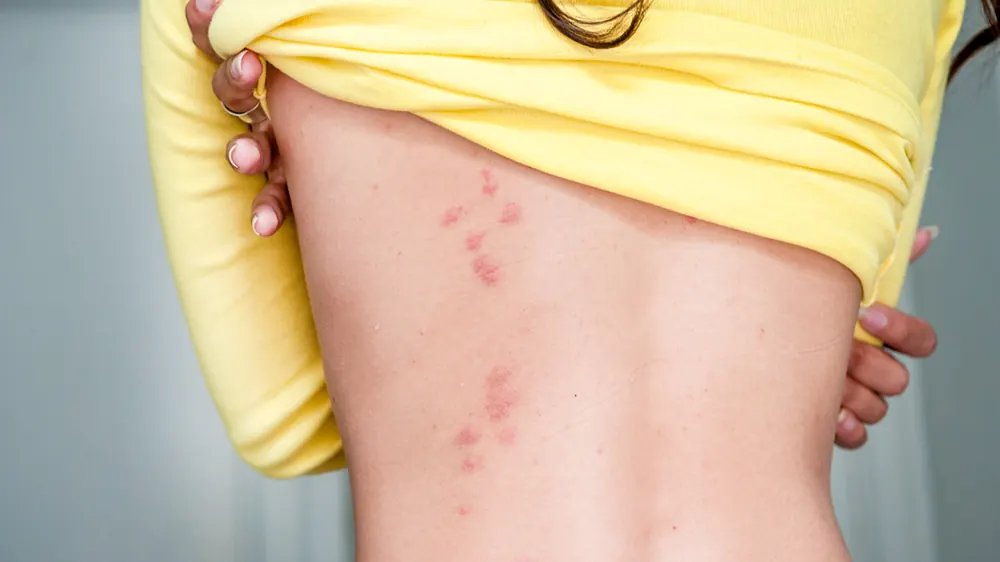
If you're getting bitten at home in Mill Park and can't see what's doing it, the most useful thing you can do is work out where and when the bites happen. Bites on the ankles point to fleas. Rows of bites on the arms and shoulders after sleeping point to bed bugs. Tiny, itchy bites with something crawling on the skin, near a ceiling or window, point to bird mites. Each one is treated completely differently, so getting this right first saves time and money.
Reading the bites
Fleas
Flea bites are usually around the ankles and lower legs, often in small clusters. You might see a tiny dark insect jump. Pets are the usual source, but fleas can also be waiting in an empty house you've just moved into, hatching when people walk in. Older homes with timber floors and rugs give flea larvae lots of gaps to develop in. See flea treatment for Mill Park homes for the details.
Bed bugs
Bed bugs bite exposed skin while you sleep, often in lines or small groups on the arms, neck, shoulders and back. Look for small blood spots on sheets, dark marks along mattress seams and a faint, sweetish smell in a badly infested room. They travel in luggage and second-hand furniture, so guesthouses are particularly exposed. Our page on bed bugs in Mill Park guesthouses and homes covers treatment.
Bird mites
Bird mites are tiny, pale or reddish specks that crawl over skin, bedding and walls, often near a ceiling light, a window frame or a bedroom wall below the roof. They come from bird nests in the roof or eaves, and they appear when the chicks have left and the mites go looking for new hosts. In Mill Park, where large older roofs give pigeons and mynas easy nesting spots, we see this regularly. Read about bird mite treatment in Mill Park.
Mosquitoes
Mosquito bites are on whatever skin was uncovered at night, often face and arms, and you'll usually hear the whine. They breed in standing water outside, such as blocked gutters, pot saucers and ponds.
What to do before you call
- Note where on your body the bites are and what time of day they appear.
- Check your pets for fleas, especially around the base of the tail.
- Look along mattress seams and the headboard with a torch.
- Put a strip of clear tape, sticky side up, on the windowsill or bedside table overnight to catch anything crawling.
- Take photos of the bites and anything you catch. A photo on WhatsApp often tells us straight away what we're dealing with.
How we treat, depending on the culprit
After an inspection we treat the actual source. For fleas, that's treating floors, rugs, pet bedding and the gaps where larvae develop, while you treat the pets with a product from the vet. For bed bugs, it's a careful treatment of beds, frames, skirtings and furniture in affected rooms, with a follow-up visit because eggs hatch later. For bird mites, it's finding and treating the nest site in the roof or eaves and treating the rooms below. For mosquitoes, it's dealing with breeding water and treating resting areas.
For most of these you can stay at home while we work; just keep little ones and animals out of treated rooms until everything has dried.
A Mill Park tip
If you're being bitten in a room directly under the roof, and especially near a ceiling or window, have someone check the eaves and roof space for nests before anything else. In older houses with deep roofs and gaps under the tiles, a nest can be right above the bedroom without anyone knowing.
What people get wrong
Treating the wrong insect. We often meet people who have bombed a house for fleas when they actually had bird mites from the roof, or thrown out a mattress for what turned out to be fleas from the cat. Identify first. It's the cheapest step.
What does it cost?
That depends on which insect it is and how far it's spread. Fleas in one house with pets is a fairly contained job. Bed bugs across several guesthouse rooms takes longer and needs a follow-up. Bird mites usually mean dealing with the nest as well as the rooms. Mosquitoes may need little more than clearing water, which you can do yourself.
See biting insect control across the city or our detailed biting insect guide, and the Mill Park pest overview for the suburb's other common problems. Call 087 012 5550, or WhatsApp us a photo of the bites and what you've caught, and we'll help you work out what's biting.
Questions we get asked
Can you tell what's biting me from a photo of the bites?
Sometimes, but a photo of the insect itself is far more useful. Bites from different insects can look alike, so where and when they happen matters as much.
Why am I getting bitten when we don't have pets?
Bird mites from a nest in the roof and bed bugs brought in with luggage are both common causes in homes without pets. Fleas can also be left behind by previous owners' animals.
Do bird mites live on people?
No. They feed on people when they can't find birds, but they can't breed on humans. Removing the nest and treating the rooms ends the problem.
Should I throw away my mattress if I have bed bugs?
Usually not. Mattresses can normally be treated, and throwing one out without treating the room just spreads bed bugs through the house.
Can I stay home during treatment?
Yes, for normal biting insect treatments. Keep children and pets off treated areas until they've dried.
Do you check the roof for bird nests?
Yes. If the bites point to bird mites, checking the roof space and eaves is one of the first things we do.