
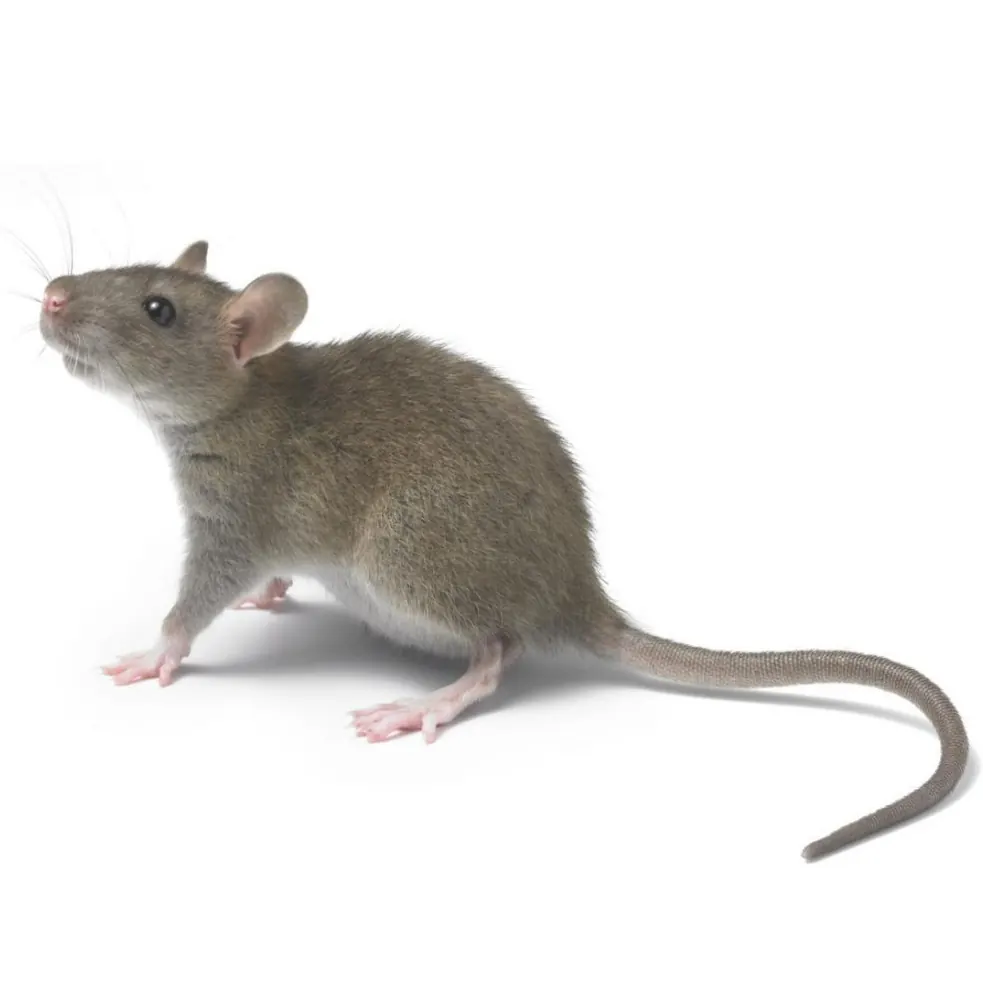
Rodent control in Newton Park starts with one question: is it rats or mice, and which kind of rat? The answer tells us where they're living, how they got in and where the bait stations and traps need to go. Once that's clear, we remove the rodents that are there and show you how to stop the next lot getting in.
Three rodents, three different problems
Roof rats climb. In Newton Park they get into the ceilings of older homes along overhanging branches, creepers and boundary walls, then in through gaps at the eaves or under lifted tiles. You hear them at night, running and scratching above the ceiling.
Norway rats are heavier and live low down. They burrow under paving and sheds and travel along drains. Around Newton Park's shops, eateries and the bin areas behind them, they're the ones we're usually dealing with.
House mice are small enough to squeeze through a gap the width of a pencil. They get into offices, flats and kitchens and nest in ceiling voids, behind appliances and in cupboards.
For more detail on each, see rat control in Newton Park and how we get mice out of Newton Park flats and offices.
Why rodents do well here
Newton Park has the three things rodents look for, all in a small area: food from homes, eateries and shops on the main roads; shelter in older roofs, garages and outbuildings; and routes in through ageing buildings that have taken years of Port Elizabeth wind. Being so close to Greenacres, with its shopping centres and the food waste that comes with them, adds to the pressure.
Our mild winters mean rodents keep breeding through most of the year. When the weather turns cold and wet, they push indoors.
Signs to look for
- Scratching or scurrying in the ceiling or walls after dark
- Droppings: rice-sized for mice, raisin-sized or bigger for rats
- Chewed packaging in the pantry or chewed cables in the ceiling
- Greasy smudges along beams and where pipes enter walls
- Holes under paving or next to the foundations
- A strong, stale smell in a cupboard or storeroom
How we deal with rodents
- Inspection. Roof space, eaves, kitchen, garage, outbuildings and the garden, or for a business, storerooms, bin areas and ceiling voids. We're looking for droppings, runways, nests and every way in.
- Removal. Lockable, tamper-resistant bait stations outside and along the perimeter, and traps or stations indoors. Tracking powder where it helps confirm where they're running. Nothing is scattered loose, so children, pets and birds stay safe.
- Proofing advice. We show you each gap and what it needs: a branch cut back, a mesh cover on an air brick, a gap around a pipe sealed, a lifted tile refixed.
- Follow-up. We return to check the stations and confirm activity has stopped.
For shops, offices and eateries
A business with food on site, or a busy bin area, needs ongoing rodent control rather than a single visit. We set up monitoring contracts with stations around the building, checked on a regular schedule, with records kept so you can show your inspection history when needed.
The mistake that makes it worse
Using loose poison indoors. The rodent eats it, crawls into a wall or under a floor and dies where you can't reach it. In an older house with deep ceilings and cavities, that can mean weeks of smell. Loose bait is also a danger to pets and to owls and other animals that eat poisoned rodents.
A local tip
Walk your boundary wall and look at the gap between your trees and your roof. In established Newton Park gardens, a single overhanging branch or a creeper on the wall is often the bridge roof rats are using. Cutting it back a metre or so from the roof is one of the cheapest fixes there is.
What does it cost?
It depends on the type of rodent, how many there are, the size of the property and how much proofing is needed. A house with a couple of mice is a small job. A restaurant with Norway rats in the drains, or a large older home with rats throughout the ceiling, takes longer and may need several visits or a monitoring contract. We'll quote once we've inspected.
See rodent control across Port Elizabeth for the wider picture, or rodent control in Walmer if you're just over the way. Other local pests are covered on our Newton Park overview.
Call 087 012 5550, or WhatsApp us a photo of the droppings and we'll tell you whether it's rats or mice.
Questions we get asked
How do I know if I have rats or mice?
Check the droppings. Mouse droppings are about the size of a grain of rice; rat droppings are the size of a raisin or bigger.
Are bait stations safe with dogs and children around?
Yes. Lockable, tamper-resistant stations can't be opened by children or pets. We never leave loose poison.
Why are rodents worse in winter?
Cold, wet weather pushes them indoors looking for warmth and food. They don't stop breeding in Port Elizabeth's mild winters, so numbers can build up quickly.
Do you do rodent control contracts for businesses?
Yes. We set up regular monitoring for shops, offices, restaurants and other premises in Newton Park, with a record of every visit.
Will you seal the holes for me?
We find every entry point and tell you exactly what each one needs. Some are easy DIY fixes; others are better done by a builder or handyman.