
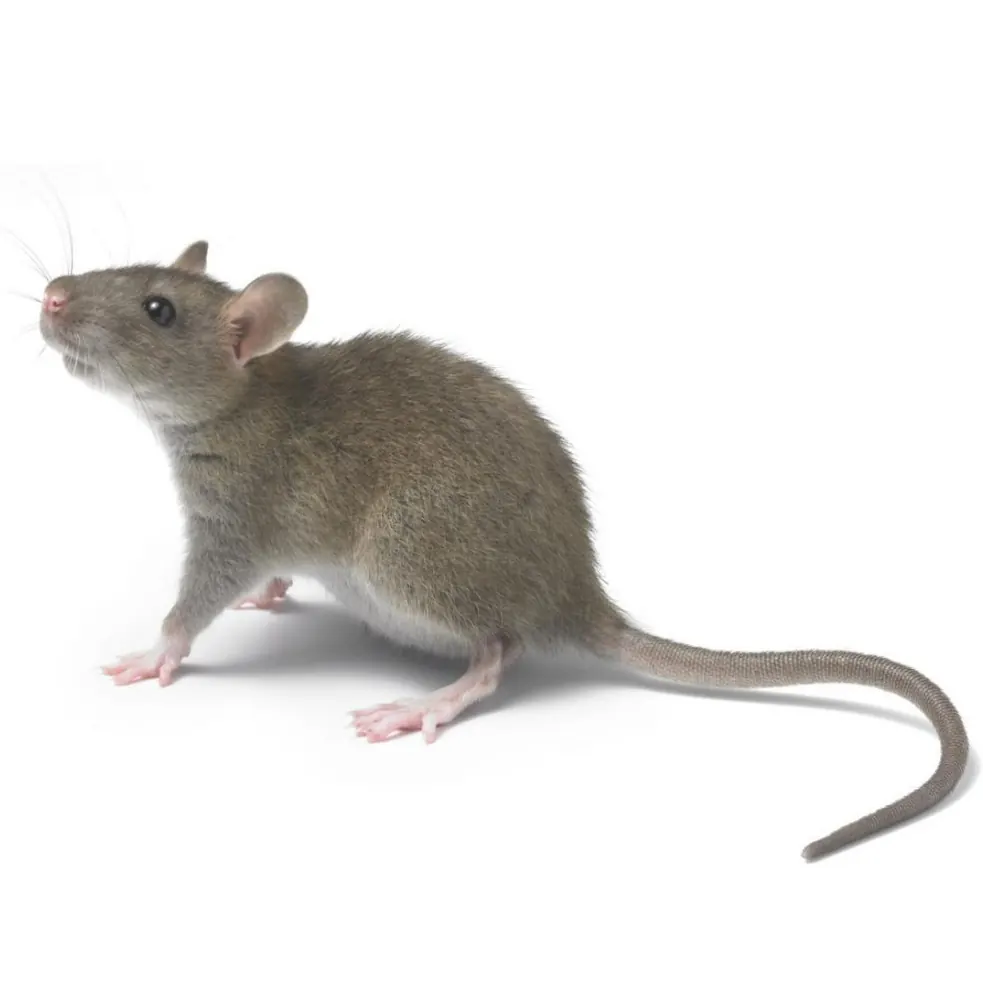
Rodents settle where food is easy, and on many Walmer properties it's very easy. Before we put down a single bait station, we look for what's feeding them, because removing rats and mice without removing the food just makes room for the next lot. Then we deal with the animals already there and close the gaps they're using.
First question: rats or mice?
It matters, because they get in differently and need different treatment.
- Rats leave droppings the size of a raisin or bigger, make heavy thumping and scratching noises in the ceiling, and chew through thick materials like irrigation pipe. In Walmer, most rat problems are roof rats that climb in from trees. Our page on rats in Walmer roofs covers them in detail.
- Mice leave droppings like grains of rice, make lighter, quicker sounds, and turn up in kitchen drawers, pantries and behind the stove. They squeeze in through tiny gaps at ground level. See mouse control for Walmer homes.
Some properties have both. If you're not sure, a photo of the droppings on WhatsApp usually settles it.
What's feeding the rodents on your property
Walmer's larger gardens are generous to rodents in ways people don't always notice:
- Fruit trees. Windfall fruit on the lawn and ripe fruit still on the branches. Citrus, figs and avocados are favourites.
- Bird feeders. Seed spilled underneath feeds rats every night.
- Pet food. Bowls left out after dark, and bags of dry food stored open in the garage or a back room.
- Chickens. Some households keep a few hens, and chicken feed is a rodent magnet.
- Compost. An open heap with kitchen scraps is warm, sheltered and full of food.
- Vegetable gardens and seedlings in spring.
How we treat rodents in Walmer
- A full inspection. Roof space, eaves, garage, outbuildings, kitchen and garden. We look for droppings, rub marks, burrows, nests and entry points.
- Lockable, tamper-resistant bait stations placed along runways outside, especially along boundary walls and near food sources. Dogs, cats and children can't open them, which matters on properties where pets have the run of the garden.
- Traps or tracking powder where they fit the situation, for example inside the roof space or in a pantry where bait isn't suitable.
- Rodent proofing advice. We show you each way in: a branch touching the roof, a broken air brick, a gap around a pipe, a garage door that doesn't close to the floor.
- Follow-up visits to check the stations and confirm activity has stopped.
Outbuildings deserve a proper look too. A wendy house, a pool pump room or a storeroom packed with old furniture can hold a breeding colony that nobody notices until rats start appearing in the house, so we include them in every inspection.
Shops and food businesses in the area are usually best on a scheduled monitoring contract, with stations checked on a regular cycle and records kept.
Why the colder months bring them in
Port Elizabeth doesn't freeze, but rodents still move indoors when nights turn cold and wet, and fruit on the trees runs out. That's why calls from Walmer go up in late autumn and winter. We explain the pattern in our article on why rodents move indoors in winter.
A local tip: deal with the fruit
If you have fruit trees, pick up fallen fruit every day or two in season and harvest ripe fruit before it sits on the branch. Then bring pet food in at night and store the bags in a sealed bin. Those three habits cut rodent food on a Walmer plot more than anything else.
A common mistake
Relying on the cat. Cats catch some mice and the odd young rat, but they rarely make a dent in an established population, and a big roof rat can hurt a cat. Worse, a cat that catches a poisoned rodent can be harmed. That's why our bait is always in lockable stations, never loose.
What does it cost?
The price depends on the size of the property, whether it's rats, mice or both, how many entry points there are and how many follow-ups are needed. A few mice in a kitchen is a straightforward job, and a couple of good snap traps may be enough if it's caught early. A large property with roof rats, outbuildings and fruit trees needs more stations and more visits. We quote after we've seen it.
For the full picture across the city, see rodent control in Port Elizabeth. Neighbours in Newton Park deal with similar problems. For other pests, our Walmer overview page has more. Call 087 012 5550, or WhatsApp us a photo of the droppings.
Questions we get asked
Are rodents more common in Walmer than other suburbs?
They're common in any leafy suburb with large gardens. Walmer's trees, fruit and big plots give rats more food and shelter than a small modern garden does.
Will removing my bird feeder really help?
It helps a lot if seed is falling on the ground. A tray under the feeder, or bringing it in at night, removes a nightly meal for rats.
Is it safe to use bait stations where my dogs run?
Yes, with lockable stations. They're built so dogs and children can't reach the bait, and we place them with your animals in mind.
Can rodents damage my house?
Yes. They chew electrical wiring, irrigation pipes and roof insulation, and their nests and droppings contaminate the roof space.
How many visits will I need?
Most homes need the first treatment and at least one follow-up to check the stations. Larger properties or heavy infestations may need more.