
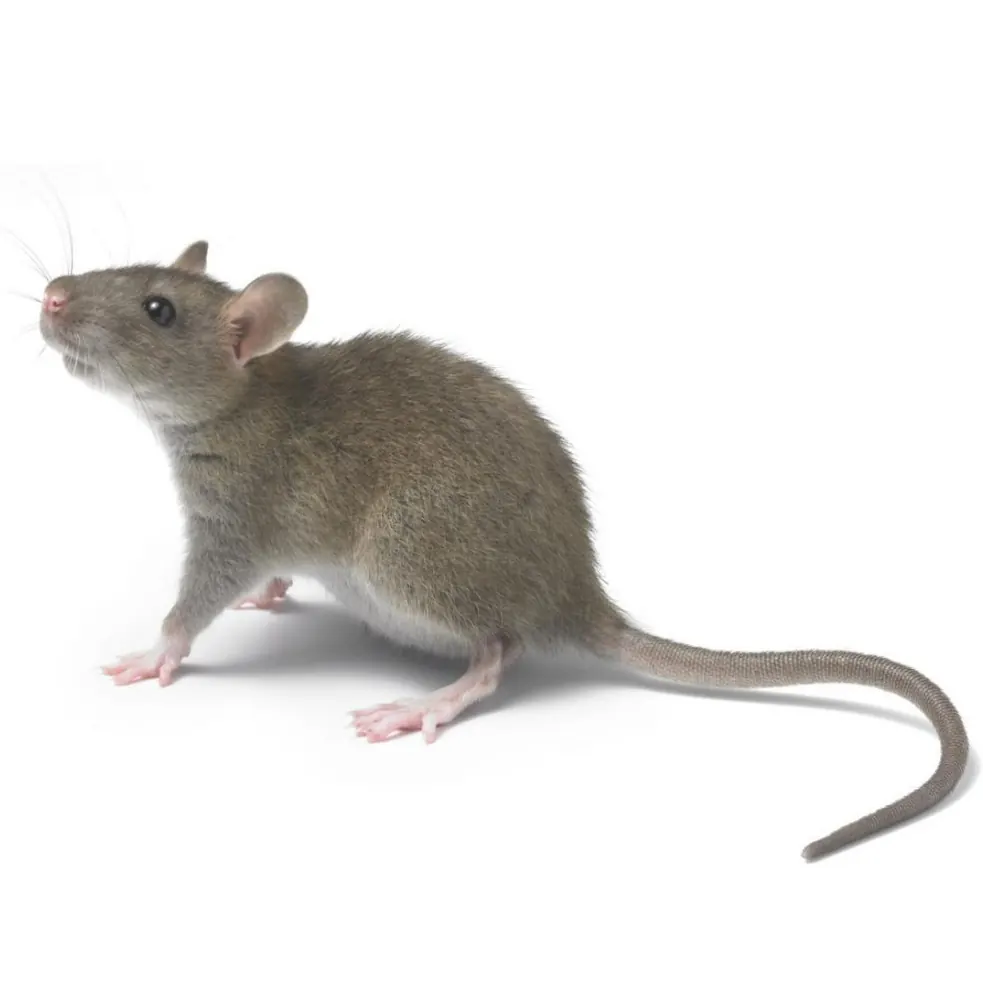
Rodent problems in Summerstrand come in two sizes. Rats are the bigger worry around restaurant bins, drains and wind-damaged roofs. Mice are the quieter nuisance in flats, pantries and student kitchens. Both are very manageable if you deal with how they're getting in as well as the ones already inside, and that's how we work.
Rat or mouse? It matters
The first thing we do is work out which rodent we're dealing with, because they live differently and need different placement of stations and traps.
- Rats leave droppings about the size of a raisin or larger, make heavy thumping and scratching noises in the ceiling, and leave greasy smudges along their routes. In Summerstrand you'll find roof rats in house roofs and Norway rats around drains, bins and the bases of buildings.
- Mice leave rice-sized droppings in drawers and cupboards, make light scratching sounds and nibble into food packaging. They squeeze through very small gaps and are common in flats and older kitchens.
We go into each in more depth on our pages for rat problems in Summerstrand and mice in Summerstrand flats and homes.
Three kinds of property, three rodent patterns
Restaurants, hotels and takeaways
Food waste, grease traps and outdoor bin areas draw Norway rats. Once they find a reliable supply, they burrow nearby and travel along drains and service routes. For food businesses, a rodent monitoring contract with lockable stations around the outside, regular checks and a record of each visit is the sensible setup. It also catches a new problem before guests or inspectors do.
Apartment blocks and student houses
Shared refuse areas, bins overflowing on collection day and food left out in shared kitchens bring rodents in. Mice in particular move through ceiling voids and service ducts between units. Treating one flat helps that flat for a while; treating the building's perimeter and common areas deals with the source. We work with landlords, managing agents and body corporates on exactly this.
Family homes
For houses, the roof is usually the weak point. Wind off the sea loosens ridge tiles, lifts roof sheeting and works fascia boards free, and every gap is a doorway for a roof rat. Creepers on walls and branches touching the gutter give them the route up.
What we do
- Inspect the roof space, eaves, kitchen, garage, drains and bin areas to find droppings, runs, nests and entry points.
- Treat with lockable, tamper-resistant bait stations, traps and, where it fits, tracking powder in voids. Stations sit on the rodents' routes and stay locked, so children, pets and birds can't reach the bait.
- Proof, by showing you each gap and how to close it: wire mesh over vents, sealing around pipes, fixing lifted tiles, cutting back branches.
- Follow up to check the stations and confirm activity has stopped.
The mistake we see most
Putting out loose poison and assuming the job is done. Rodents that eat loose bait often die in a wall or ceiling void and leave a smell that lingers for weeks. Loose bait also gets picked up by dogs, and poisoned rodents end up eaten by owls and other birds. Bait belongs in a locked station, placed for a reason.
A tip for Summerstrand
Keep bins closed, and rinse them after collection. Near the beachfront the wind regularly tips over open bins and spreads food scraps down the street, which feeds rodents for every house on the block. A brick on the lid on windy days sounds too simple to matter, but it genuinely helps.
What rodents cost you if you leave them
Rodents are more than a nuisance. Rats and mice gnaw constantly to keep their teeth in check, and in a roof that means electrical wiring, geyser pipes and insulation. They contaminate food and surfaces with droppings and urine, which matters in any kitchen and is a serious issue for a food business. A small problem caught early is cheap to fix; a roof full of rats that have been chewing for months is not. If you hear something in the ceiling, have it checked sooner rather than later.
What does it cost?
It depends on the type of rodent, how many there are, the size of the property and how much proofing is needed. A house with a couple of mice in the kitchen is a small job, and sometimes a few well-placed snap traps are enough on their own. A restaurant or a block of flats with rats around the bins needs ongoing monitoring. We quote after the inspection.
For the bigger picture, see rodent control across Port Elizabeth, or read why rodents move indoors in winter. Just inland, we also handle rodents in Walmer's leafy gardens.
Call 087 012 5550, or WhatsApp us a photo of the droppings and we'll tell you which rodent it is.
Questions we get asked
Are bait stations safe in a complex with children?
Yes. The stations we use are lockable and tamper-resistant, so children and pets can't get to the bait inside.
Should the whole block be treated, or just my flat?
If neighbours are seeing rodents too, the whole building should be treated, starting with the refuse area and perimeter. Rodents move freely between units.
Do rats come up from the beach?
Not from the beach itself. They come from drains, stormwater pipes, bins, gardens and neighbouring buildings.
What is tracking powder?
A powder placed in voids and runways that rodents pick up on their fur and swallow when they groom. We only use it in enclosed spaces away from people and pets.
How do I know the rodents are gone?
No new droppings, no fresh gnawing, no noise at night and bait in the stations left untouched. That's what we check for on the follow-up.
Can my restaurant go onto a monitoring contract?
Yes. We set up stations around the premises, check them on a schedule and keep a written record of each visit.