
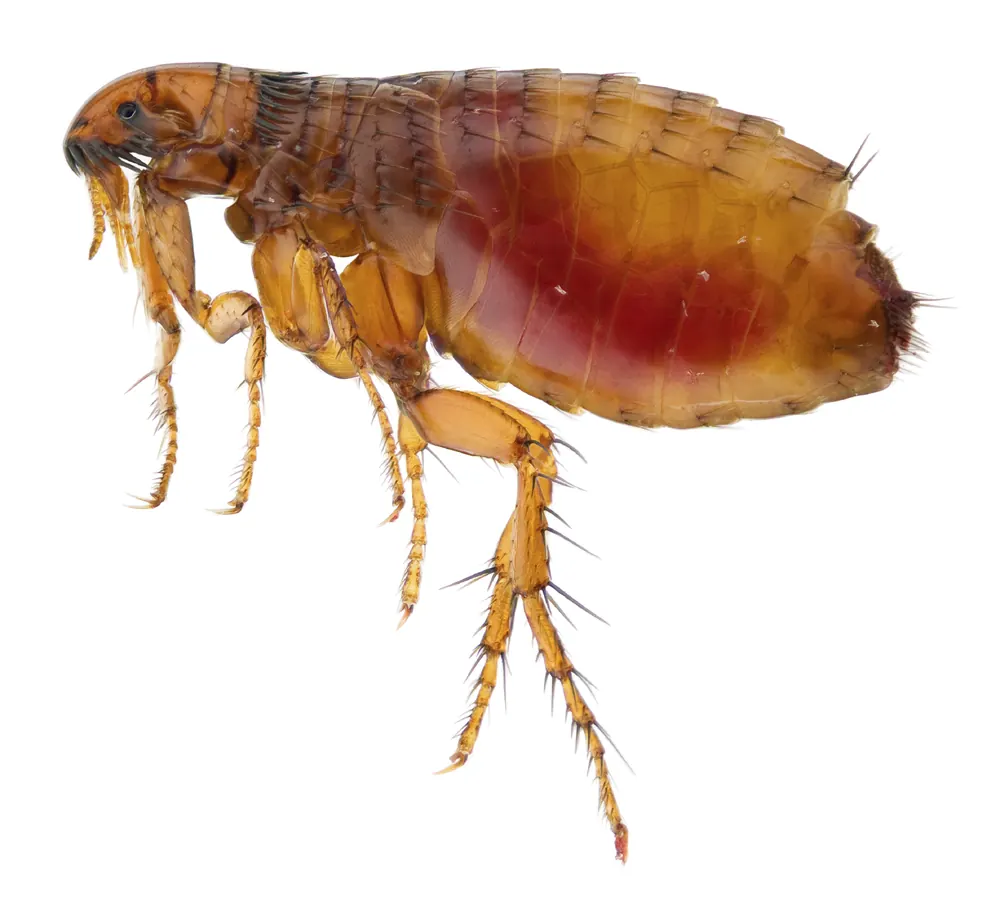
Fleas in a Newton Park home are cleared by treating three things at once: your pets, the inside of the house and the outside spots where pets lie. Miss one and the fleas come back from it. We treat the house and garden; you treat your pets with a product your vet recommends, ideally on the same day.
The empty-house flea problem
One flea situation we see often in Newton Park catches people completely off guard. You move into a rented house or flat, there are no pets, and within a few days you're covered in bites around your ankles. What's happened is that the previous occupants had a dog or cat, and flea pupae were left in the carpets, floor gaps and garden.
Flea pupae can sit dormant for a long time, waiting for a host. Vibration from footsteps and the warmth of people moving around triggers them to hatch all at once. With so many rentals and so much movement between flats and houses in Newton Park, this happens more than you'd think.
If you're a landlord or agent, a flea treatment between tenants, when the outgoing tenant had pets, avoids a very unhappy start for the new one.
Fleas in family homes with pets
Newton Park's family homes with gardens are full of dogs and cats, and Port Elizabeth's mild, humid climate means fleas breed for most of the year. Only a small part of a flea population is on your pet at any time. Most of it is eggs, larvae and pupae in the places your pet sleeps and lies: dog beds, carpets, the couch, under the deck, in a shady patch of sand by the wall.
Stray cats sleeping under a raised floor, in the garage or under a stoep can also bring fleas onto the property, even if you don't have pets yourself.
Signs of fleas
- Small, very itchy bites, mostly on the ankles and lower legs
- Your dog or cat scratching, biting at its fur or restless at night
- Tiny dark specks in your pet's fur or bedding that turn reddish on damp paper (flea dirt)
- Small dark insects jumping on carpets, white socks or the pet's belly
How we treat fleas
- Inspection to confirm it's fleas and find where they're breeding, indoors and outside.
- Preparation. Vacuum thoroughly beforehand, including under furniture and along skirting boards, and empty the vacuum outside. Wash pet bedding on a hot cycle.
- Indoor treatment of carpets, rugs, floor gaps, upholstery and pet sleeping areas with an odourless, non-staining residual product.
- Outdoor treatment of shady, sheltered spots where pets lie, under decks and along walls.
- Pet treatment by you, using a vet-recommended product, timed with ours.
Keep children and pets off treated surfaces until dry. You don't need to leave home.
In flats and townhouses with small shared gardens, a neighbour's pets can keep re-infesting the common lawn. If that's the case, it's worth raising with the body corporate so the shared areas are treated too.
A common mistake
Treating only the pet. A flea collar or spot-on kills the fleas that jump on, but the eggs and pupae in the carpet keep hatching for weeks. Equally, treating the house without treating the pet leaves a walking flea factory. Both need to happen together.
Why you may still see fleas after treatment
For a week or two, newly hatched fleas will still appear. Pupae are protected inside a cocoon and aren't affected until they hatch, so the treatment catches them as they emerge. Keep vacuuming daily during this time: the vibration encourages them to hatch and contact the treated surface sooner.
A local tip
If your dog likes lying in a sandy, shady spot along the side wall, that patch is probably where most of your fleas are breeding. Raking it over, keeping it dry and making sure it's included in the outdoor treatment makes a big difference.
What does it cost?
It depends on the size of the home, how much carpeting there is and how much of the garden needs treating. A small flat with a light problem is a quick job. A larger house with several pets and a big garden takes longer. For a very mild problem, regular vacuuming and a good vet product for your pet may be enough. We'll quote once we've seen it.
For fleas across the city, see flea control in Port Elizabeth. If the bites are on your upper body after a night in bed, read about bed bugs in Newton Park instead. We also do flea treatment in Walmer, and other local services are on our Newton Park overview.
Call 087 012 5550, or WhatsApp us and tell us what you're seeing.
Questions we get asked
Why do I have fleas when I don't own a pet?
Most likely the previous occupants had pets, and flea pupae left behind hatched when you moved in. Stray cats under the house are another common source.
Do I need to treat my pet as well as the house?
Yes. Treating only one leaves the other as a source. Use a vet-recommended product on your pets on the same day we treat.
How long until the fleas are gone?
Most homes see a big drop within a week, with the last hatchings over the following two weeks. Daily vacuuming helps speed it up.
Is flea treatment safe for my pets?
Yes, once treated surfaces are dry. Keep pets off treated areas until then, and put them back on clean bedding.
Can landlords book a flea treatment between tenants?
Yes. It's a good idea if the outgoing tenant had pets, and it's easier to do in an empty property.