
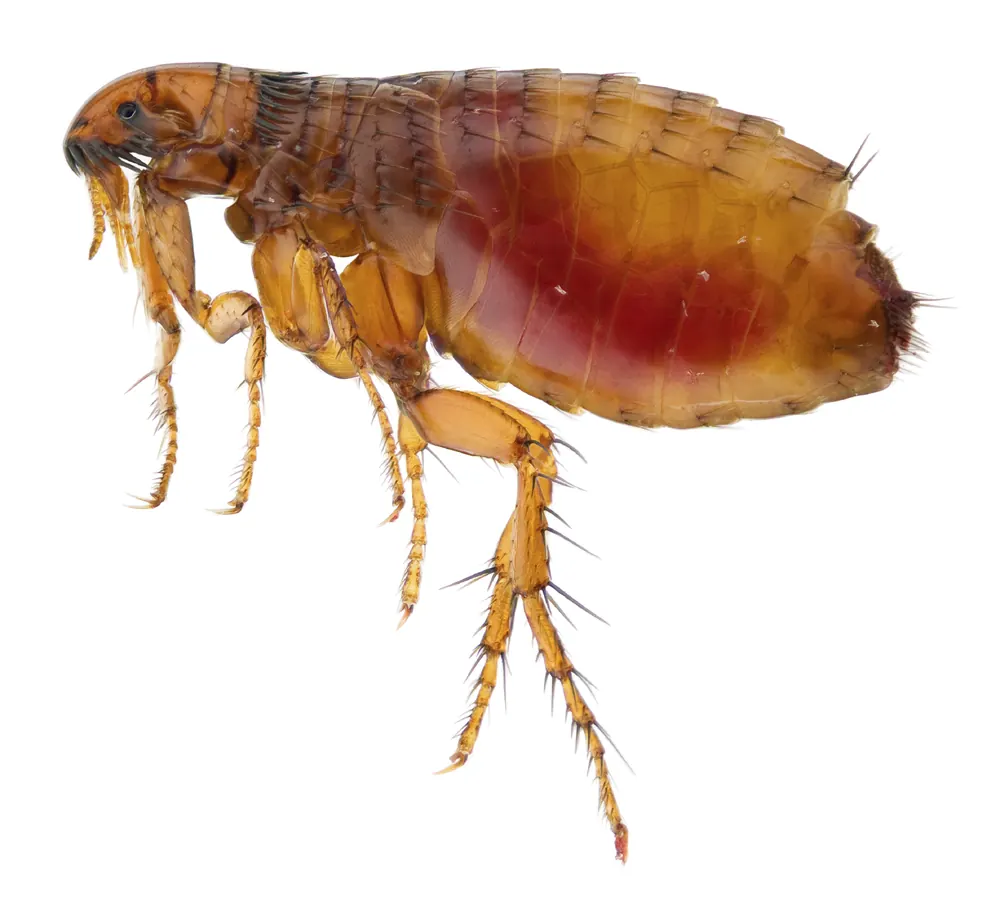
Fleas are a whole-property problem, not a pet problem. At any one time only a small share of the fleas in a home are on the dog or cat. The rest are eggs, larvae and pupae in carpets, pet beds, under furniture and in the shady soil where animals lie outside. To clear them, the pets need treating by your vet, and the house and garden need treating at the same time. Miss one of the three and the cycle continues.
Why Walmer properties get bad flea seasons
Many Walmer homes have big gardens and dogs that spend most of the day outside. That's great for the dogs, and for fleas. Flea larvae need shade, a bit of moisture and organic matter, and they find all three under trees, along hedges, beneath decks and in the sheltered corners of a stoep. Port Elizabeth's mild winters mean fleas don't get a hard cold spell to knock them back, so numbers can build steadily and then jump when summer arrives.
Wildlife adds to it. Rats in the roof or garden, stray cats crossing the boundary and the odd mongoose can all bring fleas onto a property, even in homes without pets.
How to tell it's fleas
- Small, itchy bites, mostly around the ankles and lower legs
- Pets scratching, chewing at their back near the tail, or losing fur in patches
- Tiny dark specks in the pet's coat or bedding that turn reddish when dampened on a white tissue (that's flea dirt)
- Fleas jumping onto white socks when you walk across the carpet or lawn
The empty house trap
A situation we see quite often in Walmer: a family buys or rents an older home that has stood empty for a while, moves in and gets bitten within days. The previous owners had pets, and flea pupae in the carpets have been sitting dormant, waiting for movement and warmth. As soon as people arrive, they hatch together. If you're moving into a home where animals used to live, it's worth having it treated before or just after you move in.
How we treat fleas
- Inspection. We look at where your pets sleep and spend time, inside and out, and where the bites are happening.
- Preparation. You vacuum thoroughly, including under furniture and along skirtings, and wash pet bedding on a hot cycle. We'll give you a short list.
- Indoor treatment. We treat carpets, rugs, under furniture and pet areas with a product that deals with adult fleas and stops the young stages developing.
- Outdoor treatment. We treat shaded resting spots, kennels, under decks and along walls where pets lie. On a large Walmer property this part matters as much as the house.
- Follow-up if needed, because pupae can be slow to hatch.
You don't need to move out. Keep children and pets off treated surfaces until they're dry, then carry on as normal. Keep vacuuming for the next couple of weeks, because the vibration encourages remaining pupae to hatch and meet the treatment.
A Walmer tip: rake the dog's shady spot
Find where your dogs lie during the hottest part of the day, under a big tree, beside the house or under the deck. Rake up the leaf litter there, let a bit of sunlight in if you can by lifting low branches, and keep it tidy. Flea larvae hate sun and dry ground. This one change reduces how many new fleas the garden produces.
What people get wrong
Treating the dog and nothing else. Vet flea products are excellent, but if the carpet and the garden are full of developing fleas, new ones keep jumping onto the dog and onto you. The other mistake is a flea bomb set off in the lounge; it doesn't reach under furniture or into the garden, and it doesn't touch the pupae.
What does it cost?
It depends on the size of the house, how many rooms are affected and how much of the garden needs treating. A small home with treated pets and fleas in one room is quick. A large Walmer property with several dogs, a cottage and a big garden takes longer. If you've only seen a few fleas and you treat the pets and vacuum hard, that may be enough on its own; we'll be honest about it. We quote after a look.
Not sure it's fleas? Our page on bites and biting insects in Walmer helps you tell the difference. If rats are bringing fleas in, see rodent control in Walmer. We also treat fleas in Mill Park homes and across the city with our Port Elizabeth flea service, and our Walmer pest page covers everything else. Call 087 012 5550, or WhatsApp us a photo.
Questions we get asked
Can fleas live in my garden?
Yes. Flea larvae develop in shady, sheltered soil and leaf litter, especially where pets rest, so the garden often needs treating too.
Why am I still getting bitten after the treatment?
Pupae can take time to hatch, and newly hatched fleas still bite before the treatment kills them. Keep vacuuming and it should settle within a couple of weeks.
Do I need to treat my pets as well?
Yes. Use a vet-recommended flea product on all pets at the same time as the house treatment, or fleas will keep coming back.
Is the treatment safe for my dogs and cats?
Yes, when instructions are followed. Pets should stay off treated areas until they're dry.
We have no pets. Where did the fleas come from?
Usually from previous owners' pets, stray cats, or rodents living in the roof or garden.