
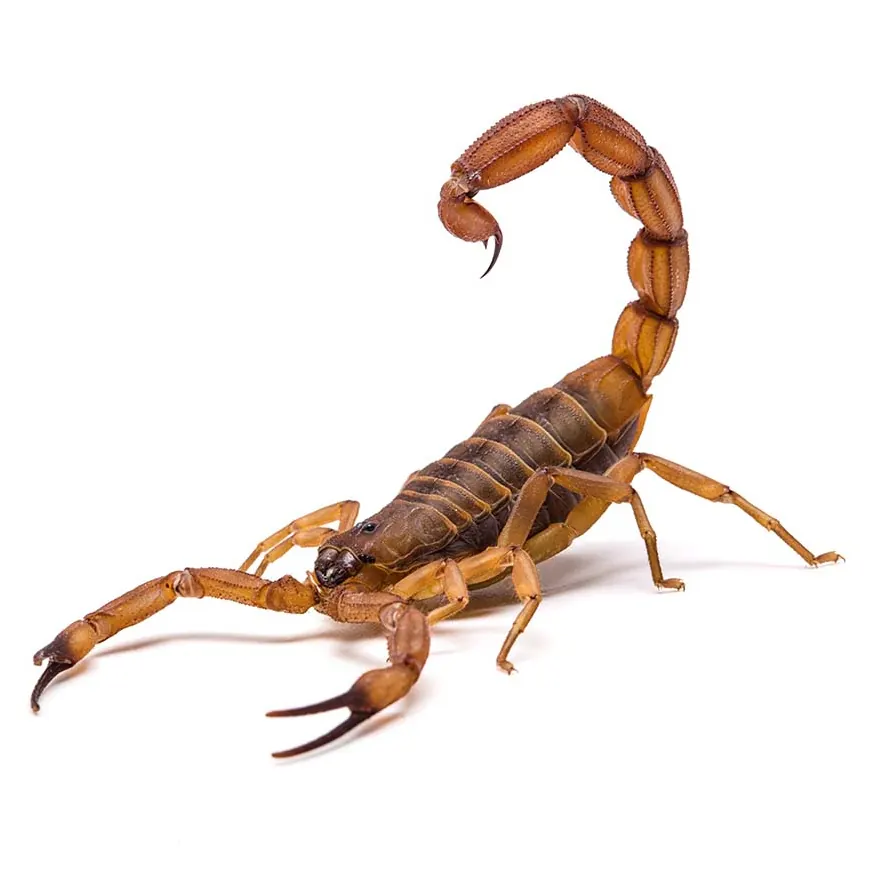
Finding a scorpion in a shoe, a towel or on the bedroom floor is one of the more unpleasant surprises of living inland, and Kariega gets more of them than the coastal suburbs do. The direct answer: most scorpions you'll find aren't dangerous, but some can give a serious sting, and in either case the way to reduce them is the same. Remove their hiding places around the house, treat a barrier, and close the gaps they use to get inside.
Why Kariega has more scorpions
Scorpions prefer dry, warm ground with plenty of cover. Kariega's hotter, drier summers, rocky and sandy soils, and established gardens with rockeries, stone walls and wood piles suit them well. During the day they shelter under stones, bricks, loose bark, logs and rubble, or in burrows in dry soil. At night they hunt insects, and that's when they wander onto stoeps, into garages and through gaps under doors.
Older properties with outbuildings, back rooms, stacked building materials and overgrown corners give them more places to live. Properties on the edge of town, next to open ground or veld, see them most.
How to tell which scorpion you have
There's a reliable rule of thumb that most South Africans know: look at the pincers and the tail.
- Big, strong pincers and a thin tail: these scorpions rely on their claws to catch prey. Their sting is generally painful but not considered dangerous.
- Small, slender pincers and a thick, heavy tail: these rely on venom. Their sting can be serious, especially for young children, the elderly and people with health conditions.
If you or a child is stung by a thick-tailed scorpion, or anyone stung starts to feel unwell, see a doctor immediately. If you can safely trap the scorpion in a jar, take it or a photo along.
How we treat
- Walk the property. We look at where scorpions are likely to live: rockeries, stone walls, wood and brick piles, rubble, garages, outbuildings and the base of walls.
- Clear the cover. We tell you which hiding places to remove or move away from the house.
- Barrier treatment. We apply an odourless, non-staining residual treatment around the base of the house, door thresholds, weep holes, garage doors and other entry routes, and into the cracks where scorpions shelter.
- Proofing advice. Door seals, weep hole covers and closing gaps around pipes keep them out.
Scorpions are tougher than insects and don't always pick up a treatment quickly, so reducing their hiding places is just as important as the spray. You don't need to leave home; keep children and pets off treated areas until dry.
Night checks with a UV torch
Scorpions glow a greenish-blue under ultraviolet light. A cheap UV torch, used around the garden walls and stoep on a warm night, shows you how many you have and where they're coming from. It's a useful way to check the property before and after treatment, and many people are surprised by what they find.
A local tip
Move firewood, bricks and building rubble well away from the house and off the ground. In Kariega, many people keep braai wood stacked against the back wall or next to the kitchen door, which gives scorpions a home right next to an entry point. Store it on a raised rack, away from the walls.
What people get wrong
Thinking a spray around the house is enough on its own. If the rockery, the wood pile and the rubble behind the garage are left untouched, scorpions keep living there and keep wandering in. Habitat comes first.
Day-to-day habits
- Shake out shoes, boots and work clothes before putting them on
- Don't leave towels or clothes lying on the floor
- Pull beds and cots a few centimetres away from the wall
- Wear gloves when moving stones, wood or garden rubble
What does it cost?
It depends on the size of the property, the number of outbuildings, how much cover there is and how many scorpions are being found. A house that finds one now and then may only need the habits above and some clearing up. A property with regular indoor sightings, especially of thick-tailed scorpions, is worth treating. We'll quote after an inspection.
Scorpions often share hiding places with spiders; see our page on spider control in Kariega, or our Kariega pest control overview. We also handle scorpions around Port Elizabeth and scorpion problems in Despatch.
Call 087 012 5550, or WhatsApp us a photo of the scorpion and we'll tell you which kind it is.
Questions we get asked
Are scorpions in Kariega dangerous?
Most aren't. Scorpions with small pincers and a thick tail can give a serious sting, so treat those with caution and see a doctor if stung.
Why do I find scorpions indoors?
They hunt at night and wander in under doors and through gaps, often from rockeries, wood piles or rubble near the house.
Does a spray kill scorpions?
It helps, but scorpions are tougher than insects. Clearing their hiding places and sealing entry points is just as important.
What should I do if my child is stung?
Keep them calm and see a doctor straight away, especially if the scorpion had a thick tail or they feel unwell.
When are scorpions most active?
On warm summer nights. They hide during the day and come out after dark to hunt.
Can I check for scorpions myself?
Yes. A UV torch makes them glow at night, which shows you where they're living and how many there are.