
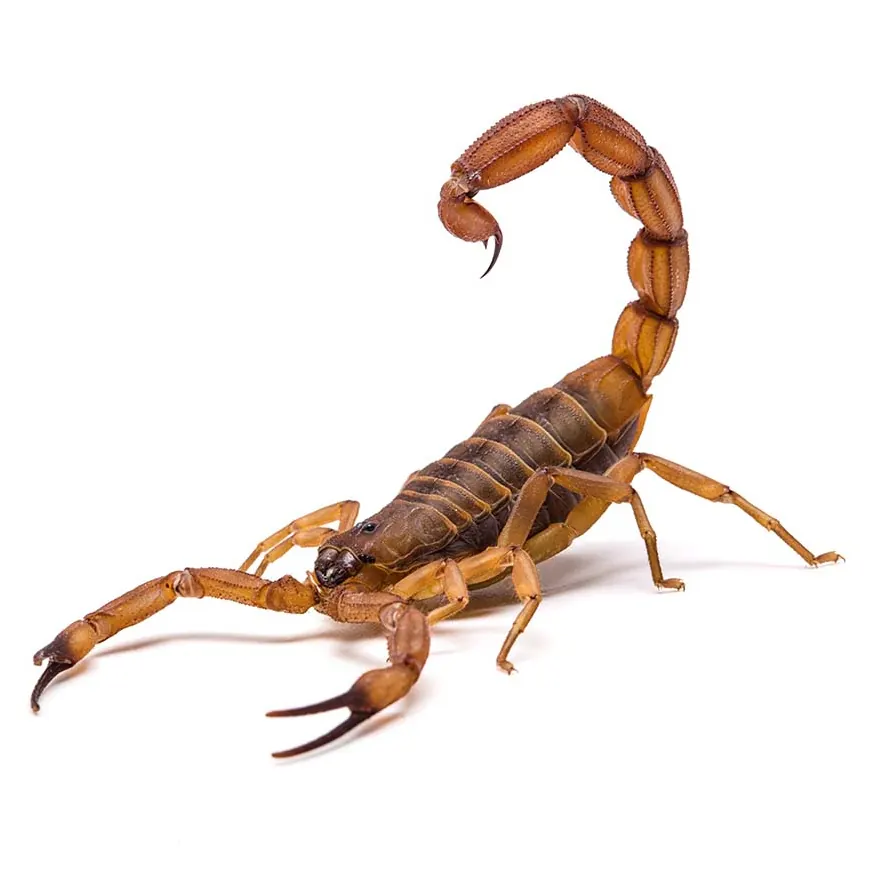
Finding a scorpion in a Newton Park home is unsettling, but it's usually a one-off rather than an infestation. Scorpions are less common in a built-up central suburb than in the semi-rural areas on the edge of the city. When they do turn up, it's almost always because something on the property is giving them shelter, such as rubble, a wood pile, stacked bricks or a cluttered garage. Find and deal with that, treat the spots they hide in, and the sightings drop off.
Why scorpions turn up here at all
Newton Park is an established suburb with mature gardens, old boundary walls, rockeries and outbuildings. Some properties have been renovated over the years, leaving piles of old bricks, broken paving or building rubble in a corner of the yard. Those are exactly the dark, dry, undisturbed places scorpions use during the day.
Scorpions feed on insects, crickets and spiders. A garden or garage with a lot of insect life gives them a reason to stay. At night, they wander out to hunt and sometimes come inside under doors or through gaps.
Is it a dangerous one?
You can get a good idea from the shape of the scorpion.
- Thick tail, thin pincers. These are the ones to be careful with. Scorpions with a heavy tail and small, slender pincers rely on their venom, and a sting can be more serious, particularly for children, the elderly and anyone with health problems.
- Thin tail, big pincers. These rely on their pincers to catch prey, and their sting is generally compared to a bee sting: painful but not usually dangerous.
If anyone is stung and feels unwell, has trouble breathing or swallowing, or the pain spreads, get medical help immediately. If you can safely take a photo of the scorpion, it helps whoever is treating the sting.
Where to look
- Under stacked bricks, paving, rocks and rubble in the garden
- In wood piles and under timber leaning against a wall
- Among boxes and stored items on the garage floor
- In cracks in old boundary walls and rockeries
- Inside shoes, gardening gloves and clothing left outside or in the garage
How we treat scorpions
- Inspection of the garden, walls, outbuildings and garage to find where they're sheltering.
- A residual barrier treatment around the house, along the foundations and at doors and other entry points, using an odourless, non-staining product.
- Targeted treatment of the sheltered spots where they hide.
- Advice on clearing and proofing, such as removing rubble, moving wood piles away from the house, and fitting door seals.
We also treat the insects that scorpions feed on, since fewer insects means fewer reasons for scorpions to stay. You don't need to leave home; keep children and pets off treated surfaces until dry.
In flats and townhouses
Scorpions are rarer still in upstairs flats, but ground-floor units with a small courtyard or garden can get them, especially where the complex has a shared storage area, bin enclosure or a strip of rockery along the boundary. If several residents are seeing them, treating the shared areas through the body corporate works better than one unit at a time.
The mistake people make
Treating the house but leaving the rubble pile in place. As long as there's a comfortable hiding spot a few metres from the back door, scorpions will keep coming back to it. Clearing the shelter does as much as any spray.
A local tip
If you've done renovations and there's a pile of old bricks or broken paving waiting to be taken away, wear thick gloves when you finally move it, and use a torch. Rubble that has sat for months is a favourite daytime hiding place for scorpions. Moving it on a cool morning, when they're less active, is safer.
What does it cost?
One scorpion, found once, usually doesn't need a professional treatment. Clear away its hiding places, fit a brush strip under the door and keep an eye out. If you're finding them regularly, finding thick-tailed ones, or have small children at home, a treatment is worthwhile. The cost depends on the size of the property and how much of the garden and outbuildings need treating. We'll quote after an inspection.
For scorpions across the city, see scorpion control in Port Elizabeth. Since they hide in the same places, you may also want to read about spider control in Newton Park. Next door, we also deal with scorpions in Walmer gardens, and our main Newton Park pest control page covers the rest.
Call 087 012 5550, or WhatsApp us a photo of the scorpion, taken from a safe distance, and we'll tell you what it is.
Questions we get asked
Are scorpions common in Newton Park?
Less common than on the bushy, semi-rural edges of Port Elizabeth, but they do turn up in gardens, garages and building rubble.
How do I know if a scorpion is dangerous?
Look at the tail and pincers. A thick tail with thin pincers means a more potent sting; a thin tail with big pincers is usually less serious.
What should I do if someone is stung?
Keep them calm and still and get medical help, especially for a child or if symptoms spread. A photo of the scorpion helps.
Why are scorpions coming into my house?
They hunt at night and wander in under doors or through gaps, usually from a hiding spot close to the house such as rubble or a wood pile.
Can you get rid of scorpions completely?
We can greatly reduce them by treating hiding spots and entry points and removing shelter, which makes the property far less attractive to them.