
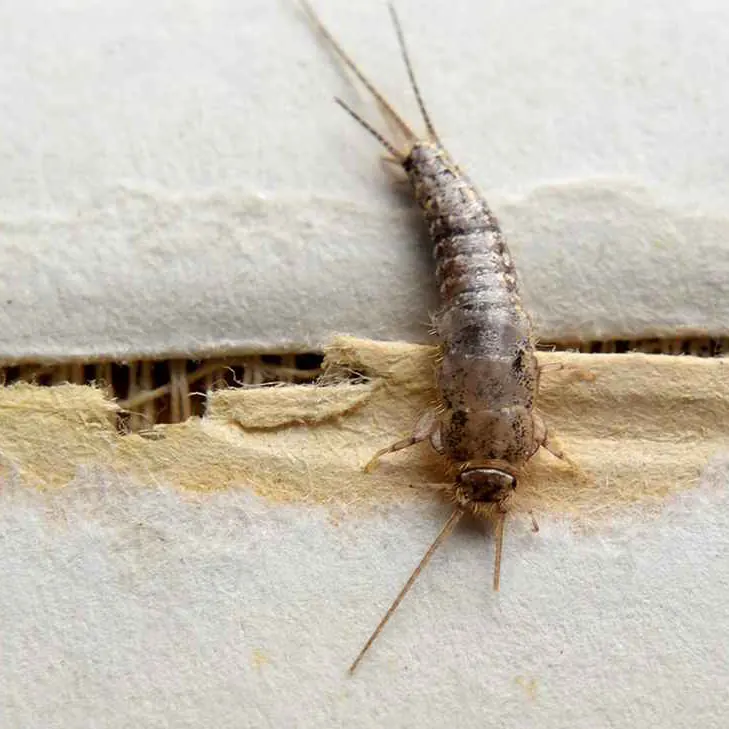
Fishmoths in a Newton Park home or office are a sign of dark, undisturbed, slightly damp storage: old built-in cupboards, boxes in the garage, bookshelves against an outside wall, or a storeroom full of files. Treating those spots with a residual spray, and reducing the damp and clutter that keeps them there, clears the problem.
What fishmoths are
Fishmoths, also called silverfish, are small, wingless insects with a silvery, scaly body that tapers to a tail, which is where the name comes from. They move fast, wriggling like a fish, and they hide during the day. They're not moths, and they don't fly.
They feed on starch and cellulose: paper, the glue in book bindings and wallpaper, cardboard, photographs, cotton and linen, and food crumbs like flour and cereal. They don't bite or carry disease, but over time they leave yellowish stains and ragged holes in things you may not want to lose.
Why Newton Park homes suit them
Many Newton Park houses have been standing for decades. Older homes tend to have deep built-in cupboards and wardrobes, wooden floors, wallpaper in some rooms and plenty of corners that rarely see light. Add Port Elizabeth's humid coastal air, and cupboards against an outside wall or near a bathroom can stay slightly damp, which fishmoths love.
Garages and outside rooms are another hotspot, especially where old boxes of papers, books and clothes have been stored for years.
Fishmoths in offices and businesses
Newton Park and nearby Greenacres have a lot of office space, and many businesses keep paper records. Archive boxes in a back storeroom, especially in an older building or a converted house, are ideal fishmoth habitat. Damage to files often isn't noticed until someone pulls out an old document and finds it chewed. Stock rooms holding cardboard packaging, paper goods or textiles can be affected the same way.
Signs of fishmoths
- Small, silvery insects darting away when you open a cupboard or move a box
- Irregular holes or scraped surfaces on paper, book covers or wallpaper
- Yellowish stains on fabric or paper
- Tiny pepper-like droppings in drawers and on shelves
- Shed scales or skins in cupboards and boxes
How we treat fishmoths
- Inspection of cupboards, wardrobes, bookshelves, storerooms, ceilings, skirting boards and bathrooms, looking for where they're living and what's keeping the area damp.
- Residual treatment with an odourless, non-staining spray into cracks, cupboard corners, behind skirting boards and along shelving, where fishmoths hide and travel.
- Advice on the conditions that brought them in: damp, ventilation and storage.
You don't need to leave. Keep kids and pets off treated surfaces until dry, and wait until surfaces are dry before putting clothes and books back.
Fishmoths or something else?
People sometimes confuse fishmoths with small cockroach nymphs or with clothes moth larvae. Cockroach nymphs have legs that are easy to see and run differently; clothes moth larvae are small caterpillars that leave silky webbing in wool. If you're not sure, a photo on WhatsApp will settle it before any treatment is planned.
What people get wrong
Treating the cupboard but putting the same damp cardboard boxes back into it. Cardboard is both food and shelter for fishmoths. If you're storing papers or clothing long term, sealed plastic containers are far better than boxes, and they stop the problem coming straight back.
Some people also rely on cedar blocks or lavender sachets. They may help a little with clothes moths, but they won't clear an established fishmoth population.
A local tip
In older Newton Park homes, the cupboard under the bathroom basin, or the built-in wardrobe on the other side of a bathroom wall, is often where fishmoths start. A slow leak or poor ventilation keeps it damp. Fix the drip, leave the cupboard doors open for a while to air it out, and the fishmoths have far less to work with.
What does it cost?
It depends on the size of the home, how many rooms or storage areas are affected and whether it's a house or a larger office or storeroom. A few fishmoths in a single cupboard can often be handled by clearing it, drying it out and storing things in sealed containers. When they're throughout the house or in your business records, a professional treatment is worth it. We'll quote after an inspection.
For fishmoths across the city, see fishmoth control in Port Elizabeth. They're one of several crawling insects we treat in Newton Park. We also deal with fishmoths in Mill Park's older homes and offices, and you'll find the other pests we handle on the Newton Park pest control page.
Call 087 012 5550, or WhatsApp us a photo of the insect or the damage.
Questions we get asked
Do fishmoths bite?
No. They don't bite people or pets, and they don't carry disease. The problem is the damage they do to paper, books, photos and fabric.
Why do I have fishmoths in my cupboards?
Dark, undisturbed, slightly damp spaces with paper, cardboard or fabric attract them. Older built-in cupboards near bathrooms are typical.
Can fishmoths damage office files?
Yes. They feed on paper and glue, and archive boxes in a quiet storeroom are an ideal place for them to settle.
Will mothballs get rid of fishmoths?
Not reliably. They're not true moths, and mothballs or cedar won't clear an established population. A residual treatment and drier storage will.
How do I stop fishmoths coming back?
Reduce damp, improve ventilation, swap cardboard boxes for sealed plastic containers and clear out old paper you don't need.