
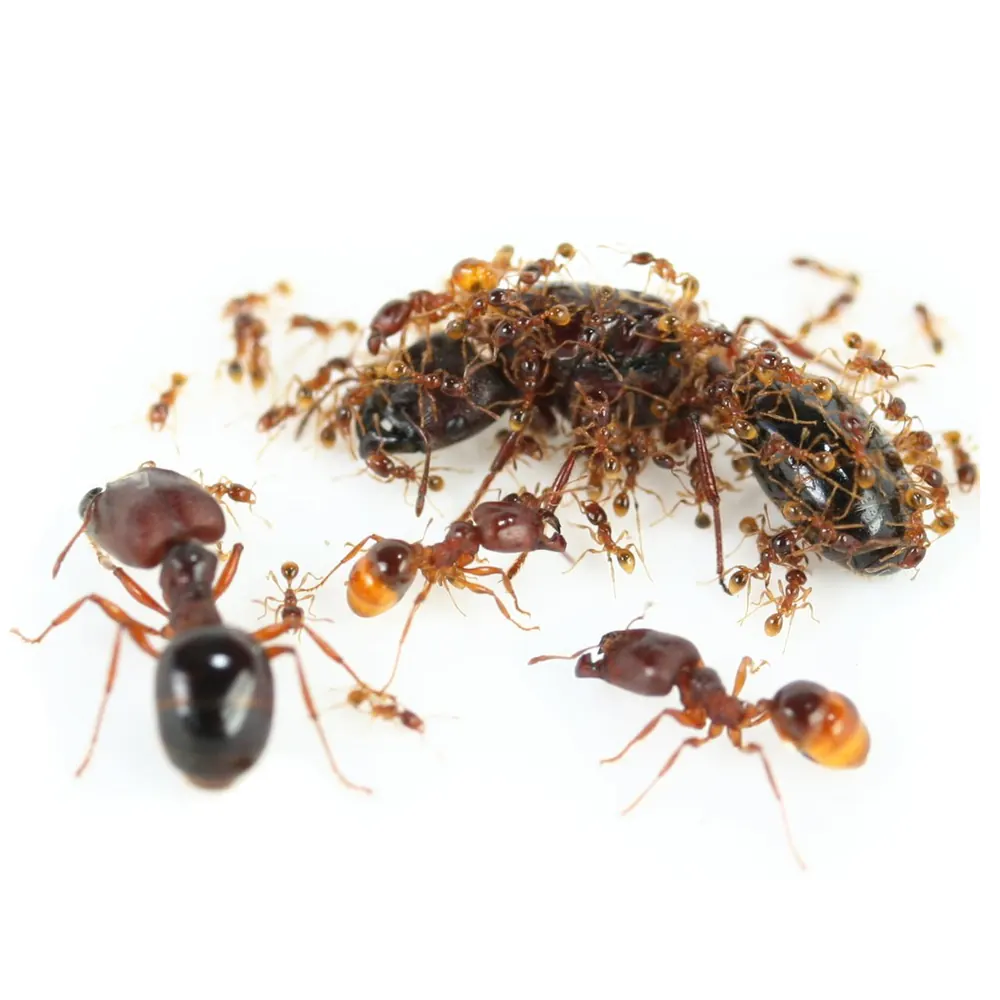
Insect trouble in Sunridge Park follows the calendar more closely than most people realise. Ants push indoors after spring rain, wasps build through early summer, mosquitoes and flies peak in the hot months, and cockroaches and fishmoths become more noticeable indoors once the weather cools. Treating at the right time of year, before numbers build, is cheaper and works better than chasing a full-blown problem.
About Sunridge Park
Sunridge Park is an established family suburb on the western side of Port Elizabeth, not far from Newton Park. Homes have gardens, patios and the usual mix of lawns, shrubs and trees, and most families spend a lot of time outdoors when the weather allows. The Bay's mild climate means there's no deep freeze in winter to reset insect numbers, so each season simply hands over to the next.
Spring: ants on the move
As the ground warms and the spring rains come through, ant colonies expand and send foragers out looking for food. That's when trails appear along kitchen counters, around the sugar bowl and up the side of the fridge. The trick is not to spray the trail, which scatters the colony into new nests, but to use ant baits that the workers carry home to the queen. Once the colony takes the bait, the trails stop. Our page on ant control in Newton Park and nearby suburbs goes into more detail.
Spring job list: trim plants touching the walls, clean up sugary spills quickly, and call us at the first sign of a trail rather than after a month of them.
Late spring and summer: wasps
Paper wasp queens start new nests in spring under eaves, in pergolas, on the underside of patio furniture and inside garden sheds. A nest that's the size of a coin in October can be the size of a hand by January. Finding and treating them early, while they're small, makes life a lot easier, especially in homes with children playing outside. Read more about wasp nest removal in the Newton Park area.
Summer: mosquitoes and flies
Warm, humid evenings bring mosquitoes, and they breed in any small pocket of still water: pot plant saucers, a forgotten bucket, a blocked gutter or the cover of a pool that collects rain. Flies breed in bins, compost and pet waste, and get worse during hot spells. For both, finding and removing the breeding spots does most of the work. We then treat the shady areas around the house where adults rest. Our flying insect control page explains how we tackle them at home and at work.
Summer job list: tip out standing water once a week, keep bin lids closed and wash bins regularly, and fit screens to the windows you open at night.
Autumn and winter: the indoor insects
When it cools down, you spend more time indoors with windows closed, and that's when cockroaches and fishmoths become more noticeable. German cockroaches stay warm behind fridges and stoves; American cockroaches come up through drains. Fishmoths thrive in the still, humid air of closed cupboards. Gel baits for cockroaches and crack-and-crevice treatment for fishmoths are the usual answers.
Winter job list: air out cupboards on dry days, keep drains covered at night, and don't leave pet food out after dark.
How we handle a visit
- We start by asking what you're seeing and when it started, because the season tells us a lot.
- We inspect the house and garden to find the source, not just the insects in sight.
- We treat with baits, gels or odourless, non-staining residual sprays depending on the insect. You can stay at home; keep children and pets off treated surfaces until they're dry.
- For homes that want it, we can schedule seasonal visits timed to get ahead of each problem.
The common mistake
Waiting until the problem is unbearable. A single ant trail, a couple of wasps around the eaves or the odd cockroach at night are early warnings. By the time it's dozens of ants every morning or a nest the size of a football, the job takes longer and costs more.
A tip worth trying
Keep a quick note on your phone of when insects first appear each year. After a year or two you'll see a pattern for your own house, and you'll know when to book a preventive treatment instead of waiting.
What does it cost?
It depends on the size of the house and garden, the insect involved and how established it is. A small wasp nest or a single ant colony is a short visit. A combined treatment for several insects, or a set of seasonal visits through the year, is priced on the work involved. Sometimes the honest answer is that a change in habits, like tipping out water or closing bins, is all you need.
If you want to understand the insects themselves, our guide to household insects is a good place to start, and Sunridge Park is covered by our pest control in Newton Park service.
Call us on 087 012 5550, or WhatsApp us a photo of whatever has turned up this season.
Questions we get asked
When is the best time to treat for ants?
At the first sign of trails in spring or after rain. Baiting early, before colonies are at their biggest, clears them faster.
Can I book seasonal insect visits?
Yes. Many homes book a spring and summer visit to get ahead of ants, wasps and mosquitoes, and a winter check for cockroaches and fishmoths.
Should I knock down a small wasp nest myself?
It's risky. Even small nests can have defending wasps, and knocking the nest down often just makes them rebuild nearby. It's safer to have it treated first.
Why do I see more cockroaches in winter?
Mostly because you're indoors more and they're sheltering in warm spots near appliances. They don't disappear in the Bay's mild winters, so they become more noticeable.
Do mosquito treatments last all summer?
Not on their own. Removing breeding water does most of the work, and a repeat treatment may be needed during long, humid spells.