
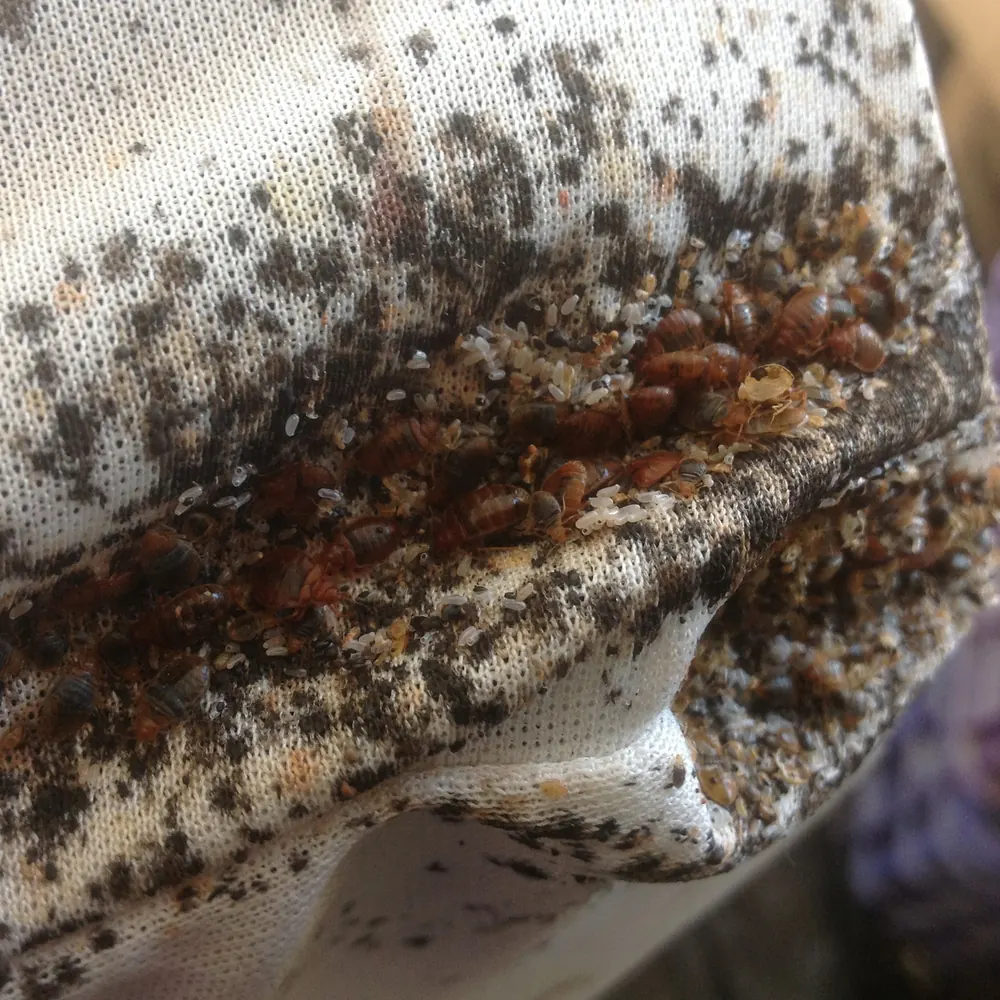
If you've found bed bugs in your Despatch home, take a breath. They're unpleasant and they don't go away on their own, but with a thorough treatment and a follow-up visit they can be cleared. They're also not a sign that your house is dirty. Bed bugs are hitchhikers, and they turn up in very clean homes.
How bed bugs end up in a Despatch home
Despatch is a quieter town than Port Elizabeth, with mostly freestanding family homes, so bed bugs don't usually spread through shared walls the way they can in flats. Instead, they're carried in. The usual ways we see:
- A suitcase or bag after a trip, a stay in a hotel or guesthouse, or a visit to family
- A second-hand bed, couch or headboard bought cheaply or passed on
- A family member coming home from a hostel, boarding school or shared accommodation
- Visitors staying over who brought them unknowingly
Once inside, they settle close to where people sleep and come out at night to feed.
How to tell it's bed bugs
Bed bugs are small, flat, oval and reddish-brown, about the size of an apple seed when fully grown. Young ones are paler and smaller. Signs include:
- Itchy bites in a row or cluster, often on arms, shoulders and neck, noticed in the morning
- Tiny black spots (droppings) along mattress seams, the bed base and headboard
- Small blood smears on sheets and pillowcases
- Pale, empty skins in crevices around the bed
- In bigger infestations, a sweetish, musty smell in the bedroom
Not sure if it's bed bugs or something else, like fleas or bird mites? Our page on working out what's biting you in Despatch will help you tell the difference.
How we treat bed bugs
1. Preparation
Before we arrive we'll give you a short list of what to do. Usually this means washing bedding and clothing from the affected rooms on a hot wash and drying on high heat, clearing clutter from under the beds and around them, and emptying bedside drawers.
2. Inspection
We check the mattress, bed base, headboard, bedside tables, skirting boards, curtain hems, plug points and furniture near the bed. Bed bugs hide in surprisingly small gaps, so this step matters.
3. Treatment
We treat every hiding place we find, plus the surrounding areas they're likely to use, with a residual treatment that keeps working after we've left. It's odourless and won't stain your linen or furniture. You can stay in the house, but keep children and pets out of treated rooms until surfaces are dry.
4. Follow-up
Bed bug eggs are protected and can hatch after the first treatment. A follow-up visit, timed to catch those hatchlings, is part of doing the job properly.
The mistake that spreads them
Moving to sleep in another room or on the couch. It feels like the sensible thing to do, but bed bugs follow the person. Within a week or two you can have two infested rooms instead of one. Stay in your own bed until we've treated, and avoid carrying bedding and clothes from the affected room to other parts of the house without bagging them first.
Throwing out the mattress?
Usually not necessary. A mattress that's in good condition can be treated. If it's badly torn and infested deep inside, replacing it may make sense, but only after the room has been treated, or the new one will be infested too. If you do throw one out, wrap it in plastic and mark it so nobody takes it home.
A tip for Despatch families
After any trip away, unpack your suitcase on a hard floor, like the garage or the stoep, rather than on the bed. Check the seams of the bag and put clothes straight into the wash. If you buy second-hand furniture, which many families here do, check every seam and joint before it comes into the house.
What does bed bug treatment cost?
It depends on how many rooms are affected, how much furniture needs treating and how established the infestation is. One bedroom caught early is a smaller job than several rooms. A follow-up visit is normally included in the plan because it's needed to finish the job. We'll quote after a look or after you send us photos.
More information
For bed bugs elsewhere, see bed bug treatment in Port Elizabeth or bed bug control in Kariega. If the itching seems to come from the pets rather than the bed, our Despatch flea service may be what you need, and our Despatch pest control page covers the rest.
Call 087 012 5550 to talk it through, or WhatsApp us a photo of what you've found on the mattress. We'll keep it discreet.
Questions we get asked
Do I have to throw away my mattress?
Usually not. A mattress in good condition can be treated. Replacing it before the room is treated just gives the bed bugs a new home.
Can I sleep in my bed after the treatment?
Yes, once the treated surfaces are dry. Keep sleeping in your own bed so any remaining bed bugs come into contact with the treatment.
Can you keep the visit discreet?
Yes. We understand people want this handled quietly. Tell us when you book and we'll plan the visit with that in mind.
How many treatments does it take?
Most homes need an initial treatment and a follow-up visit to catch bugs that hatch from eggs after the first round.
Can bed bugs live in the couch?
Yes. They'll use couches and chairs where people sleep or sit for long periods, so we check and treat those too.
Can I get rid of bed bugs myself?
It's very difficult. Shop sprays rarely reach every hiding spot and don't affect the eggs, so infestations tend to linger and spread.