
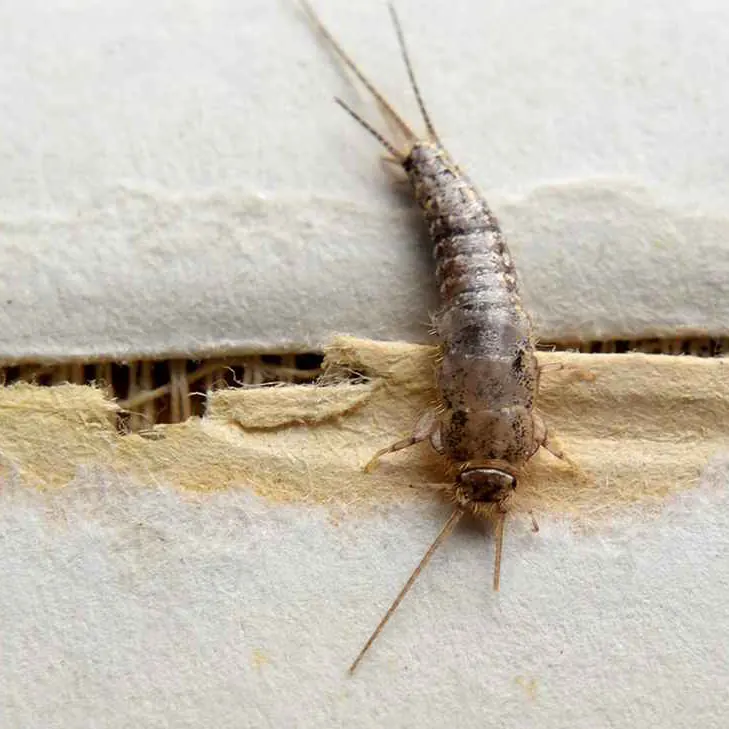
Fishmoths (silverfish) aren't dangerous and they don't bite, but they slowly damage the things people care about most: books, photographs, documents, linen and clothes in storage. In Despatch, where many families have lived in the same home for years and have cupboards, roofs and garages full of boxes, they can do a lot of quiet damage before anyone notices. The good news is that fishmoths respond well to treatment, especially when you also take away the damp, undisturbed places they need.
What fishmoths are
Fishmoths are small, wingless, silvery-grey insects, shaped like a teardrop and around a centimetre long, with long antennae and three bristly tails. They move fast, wriggling like a fish, which is where the name comes from. They feed on starches, glue, paper, cardboard, natural fibres and the crumbs and dust that collect in cupboards. They're active at night and hide during the day.
Where they hide in Despatch homes
Older family homes, which make up a lot of Despatch, often have built-in cupboards, wooden shelving and bookcases against outside walls. Add cardboard boxes in the garage or roof, and fishmoths have everything they need.
- Linen cupboards and wardrobes, especially at the back of shelves that aren't opened often
- Bookshelves, particularly with older books and magazines
- Cardboard boxes in the garage, storeroom or roof
- Bathrooms and kitchens, around pipes and under sinks where there's moisture
- Behind skirting boards and in gaps around built-in units
- Roof spaces where boxes of papers and old clothes are stored
Signs of fishmoths
- Irregular holes or thin patches in stored linen, cotton clothing and curtains
- Scraped surfaces or yellowish stains on book covers, wallpaper and photographs
- Tiny pepper-like droppings on shelves
- Silvery scales on stored items
- A quick, silvery insect darting away when you move a box or open an old book
How we treat fishmoths
- Inspection. We find out where they're living and feeding, and look at what's making those areas attractive: damp, dust, food sources and items that haven't been moved in a long time.
- Targeted treatment. We apply an odourless, non-staining residual treatment into the cracks, gaps and voids where fishmoths hide: behind skirting, inside cupboard frames, along shelving, around pipes and in the roof space where needed.
- Advice on storage and moisture. This is where long-term results come from. Fishmoths need humidity. We'll tell you where the damp is coming from and how to reduce it.
You don't need to leave the house. We'll ask you to clear cupboards before the treatment so we can reach the corners, and to keep children and pets away from treated areas until they're dry.
The thing most people get wrong
Putting mothballs or cedar blocks in the cupboard and leaving it there. These may put fishmoths off a little, but they don't deal with the population living behind the skirting or in the box of papers in the roof. Meanwhile, the damage continues somewhere you're not looking.
A tip for Despatch storage
Take a look at the boxes in your garage or roof. Cardboard soaks up moisture and is food for fishmoths, so swap cardboard boxes for sealed plastic containers, especially for photographs, documents and anything sentimental. Keep them off the floor and away from outside walls, where condensation collects. Homes nearer the Swartkops River, or with bathrooms that don't ventilate well, are worth checking for damp patches too.
Saving what's already damaged
Once the treatment is done, go through stored items. Shake out and wash linen and clothing, wipe down book covers, and move important papers and photographs into sealed containers. Anything badly damaged is a sign of where they were most active, so pay attention to that cupboard or box in future.
Fishmoths and other pests
Fishmoths often share hiding places with other crawling insects, like cockroaches in kitchens and bathrooms. If you're seeing both, it makes sense to deal with them together. Our page on crawling insect control in Despatch covers combined treatments, and cockroach removal in Despatch explains how we handle the kitchen side.
What does fishmoth treatment cost?
The cost depends on the size of the house, how many rooms and storage areas are affected, and whether the roof space needs treating too. A few cupboards in one area is a straightforward job. A house with fishmoths in every wardrobe, the bookshelves and the garage takes longer. If it's a handful in one bathroom, sorting out the damp and clearing clutter may be enough on its own, and we'll tell you that.
For more, see fishmoth control in Port Elizabeth or fishmoths in Kariega homes. You'll find our other local services on the Despatch pest control page.
Call 087 012 5550, or WhatsApp us a photo of the insect or the damage and we'll confirm whether it's fishmoths.
Questions we get asked
Are fishmoths harmful to people?
No. They don't bite or carry disease. The problem is the damage they do to paper, books, photographs and fabrics.
Why do I find fishmoths in the bath?
They're attracted to moisture and get trapped in the smooth bath because they can't climb out. It often means there are more in the bathroom walls or cupboards.
Do I need to empty my cupboards for the treatment?
Yes, for the cupboards being treated. It lets us reach the corners and back panels where fishmoths hide.
Will the treatment stain my linen or books?
No. We use an odourless, non-staining treatment, applied into cracks and gaps rather than onto your belongings.
Can fishmoths come back?
They can if the conditions that attracted them stay the same. Reducing damp and storing things in sealed containers makes a big difference.