
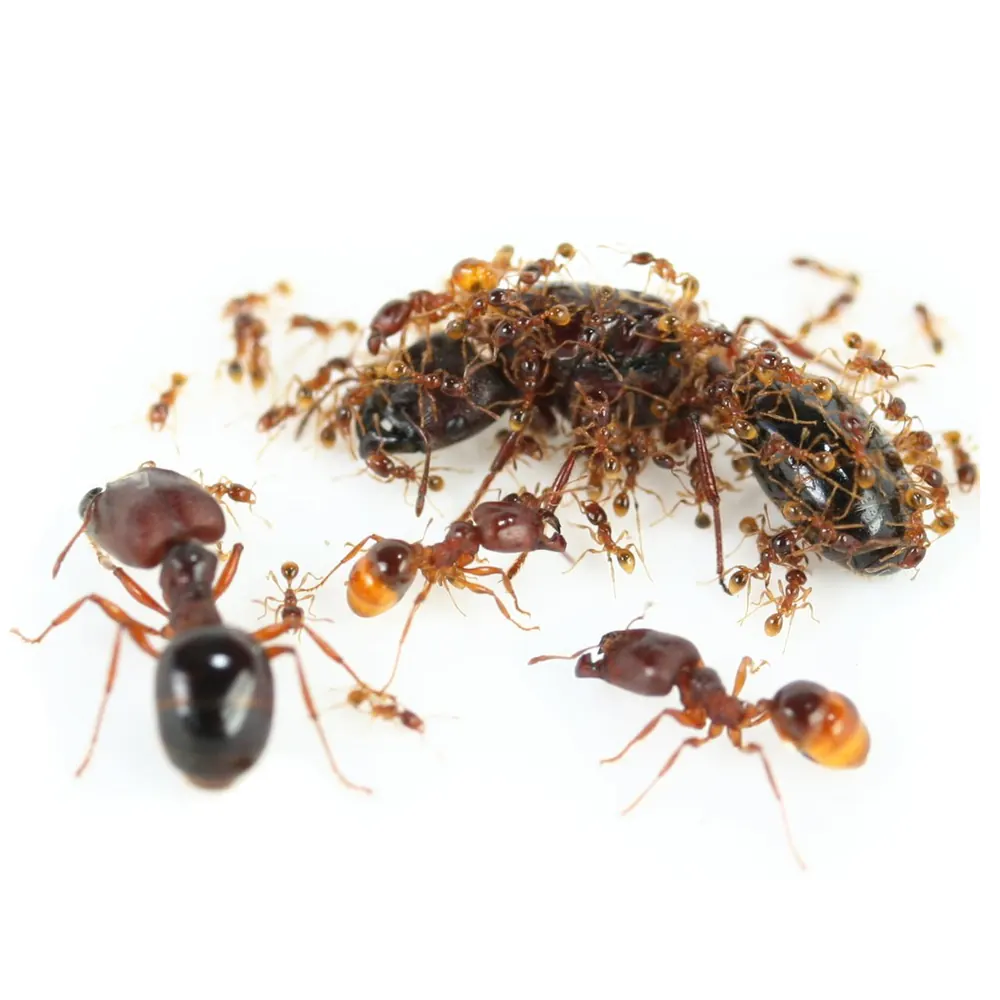
Most insect problems in Kariega have a clear cause, and once you find it the insects are much easier to control. A trail of ants usually leads to a leak. Flies around a factory back door usually lead to a skip. Cockroaches in a kitchen lead to the warm space behind the fridge. Our job is to follow that trail back, treat where the insects actually live, and leave you with fewer reasons for them to return.
Why Kariega's insects behave differently from the coast
Kariega is inland. Summer days are hotter and the air is drier than in Port Elizabeth, and that changes things. Insects breed faster in heat, so a small problem in October can be a big one by January. Dry weather also pushes them towards water, so you'll see more activity in bathrooms, kitchens and around outside taps than you might on the coast.
The town's industry adds another layer. The automotive plant and the suppliers around it bring daily deliveries of packaging, pallets and cartons, and insects ride in with them. Staff canteens and food stalls near factory gates produce food waste that flies and cockroaches feed on. And the older suburbs have plenty of cracked plaster, old cupboards and timber that give insects places to hide.
The insects we treat most
- Crawling insects such as cockroaches, ants and fishmoths, which live in cracks, cupboards and wall voids. More on our page about crawling insects in Kariega.
- Flying insects such as house flies, blowflies and mosquitoes, which are mostly a summer and waste-area problem.
- Stinging insects, chiefly paper wasps under eaves, carports and factory canopies.
- Biting insects like fleas, bed bugs and bird mites, which need a different, more thorough approach.
What we actually do on site
We start by asking where and when you see the insects, then we look. Under sinks, behind appliances, in the geyser cupboard, along skirtings, in the roof space if needed, and around the outside of the building. In a commercial building we also check delivery areas, waste stores, staff change rooms and the canteen.
Treatment depends on the insect. Gel baits go into cracks for cockroaches. Ant baits are placed on the trail so workers carry them back to the nest. Odourless, non-staining residual sprays are used as a barrier around the outside of a home or along the walls of a warehouse. Wasp nests are treated directly. Where something like bed bugs or fleas is involved, we explain what preparation you'll need to do before we arrive.
You don't need to leave home for normal insect treatments. Keep children and pets away from treated surfaces until they're dry.
Homes versus industrial sites
At home, a treatment plus a follow-up is often all it takes, provided the cause is sorted. On an industrial site, insects come back with every delivery, so control has to be ongoing. A scheduled service keeps numbers down, picks up new problems early and leaves a written record after each visit, which helps when a client or auditor asks how pests are managed on your site.
A tip for Kariega summers
Check under your aircon units and around the geyser overflow pipe. Air conditioners run hard here in summer and many drip steadily onto paving or soil. That damp patch becomes a water point for ants, cockroaches and wasps. Leading the drip away from the wall, or into a drain, removes one of their best reasons to hang around.
A common mistake
Using a can of spray on every insect you see. Contact sprays kill the few in front of you and often scatter the rest. With ants, spraying a trail can split a colony into several new ones. With German cockroaches, it drives them deeper into the walls. Baits work more slowly but reach the insects you can't see.
What does it cost?
The price depends on which insect, how widespread it is, the size of the property and whether follow-ups are needed. A single treatment for ants in a house is a modest job, and for a handful of ants a good shop-bought bait may honestly be enough. A factory canteen or warehouse on a monthly service is a different scale. We quote after we've had a look.
If you want to read up first, our guide to household and commercial insects explains the main species. You can also see our insect control across Port Elizabeth, or what we do for insect problems in Despatch next door.
Call 087 012 5550, or WhatsApp us a photo of the insect and we'll identify it for you.
Questions we get asked
Can you tell me what insect I have from a photo?
Usually, yes. A clear photo on WhatsApp is often enough to identify it and tell you whether it needs professional treatment.
Why are there more insects in my Kariega house in summer?
Heat speeds up breeding, and dry weather drives insects indoors looking for water. Both peak in the hottest months.
Do your sprays smell or stain?
No. The residual sprays we use are odourless and don't stain walls, floors or paving.
Can you treat a factory without stopping production?
Yes. We schedule treatments around shifts and use methods like gel baits that don't require areas to be cleared for long.
How long does an insect treatment last?
It depends on the insect and the conditions. Barrier treatments last weeks, but if the cause, like a leak or open waste, remains, insects will return sooner.
Do you treat outbuildings and garages too?
Yes. In Kariega many insects shelter in garages, sheds and storerooms, so we include them where they're part of the problem.