
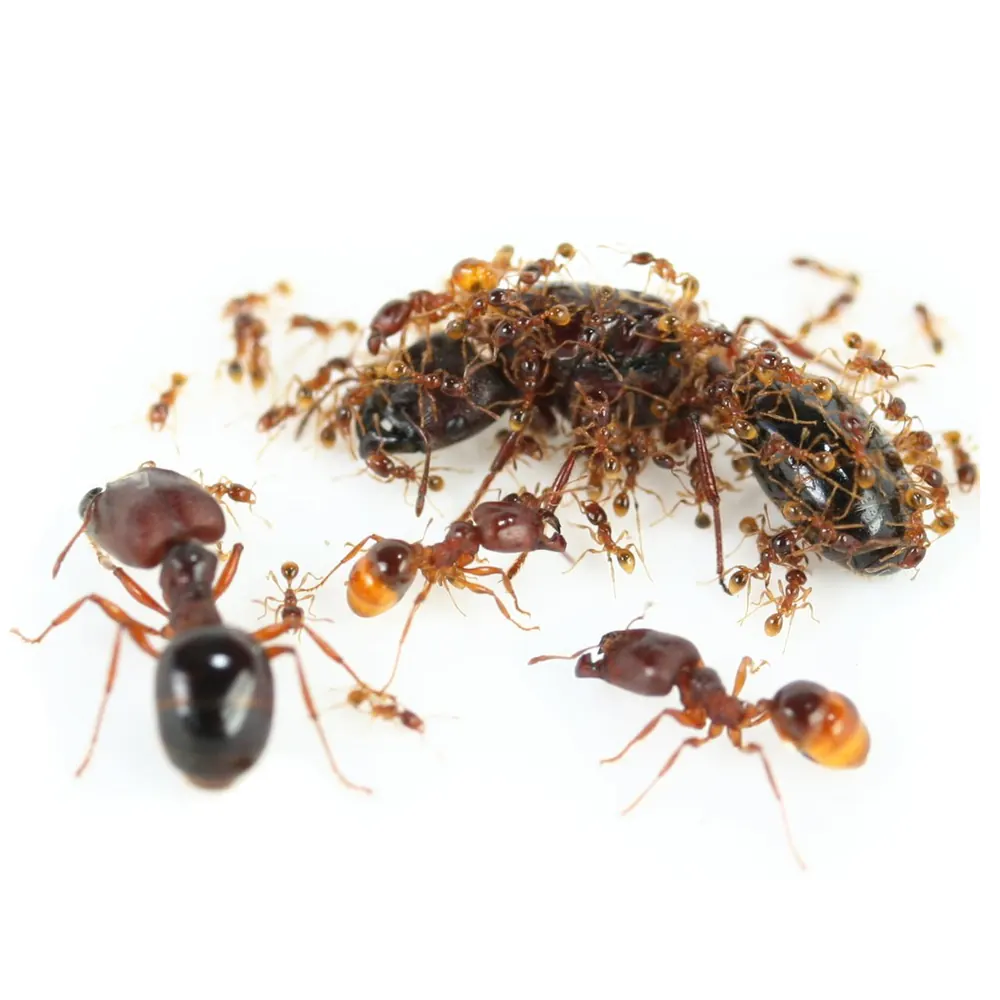
Insect control in Summerstrand isn't one treatment. It's knowing which insects are active at which time of year and in which kind of building, and treating before a small problem turns into an emergency. We deal with cockroaches, ants, fishmoths, flies, mosquitoes, fleas, bed bugs and wasps across the suburb, in homes, digs, flats and hospitality businesses.
Insects follow Summerstrand's calendar
This suburb runs to a rhythm, and the insects keep time with it. When a new academic year starts at the university, houses and flats fill up with students, and with them come boxes, second-hand furniture and appliances that sometimes carry cockroaches and bed bugs. Over the summer holidays the beachfront fills with visitors, restaurants and takeaways are at their busiest, and flies, ants and wasps peak with the heat. Then in the quiet months, holiday flats stand closed and fishmoths and cockroaches carry on undisturbed.
Good insect control works with that rhythm rather than reacting to it. A guesthouse that gets treated before the season has fewer complaints in December. A landlord who treats student rooms between tenants starts the year clean instead of inheriting someone else's problem.
Crawlers and flyers need different thinking
Broadly, insects fall into two groups. Crawling insects such as cockroaches, ants and fishmoths live in cracks, cavities and nests, so treatment goes where they hide: gel bait in kitchen crevices, ant bait on trails, residual spray in voids and along skirting. Our page on crawling insects in Summerstrand buildings covers these in depth.
Flying insects are mostly about where they breed. Houseflies breed in rubbish and food waste, fruit flies in drains and fermenting scraps, mosquitoes in standing water. Spraying the air achieves very little; finding and removing the breeding site achieves a lot. See flies, mosquitoes and other flying insects in Summerstrand.
The sea air factor
Summerstrand sits right against the ocean, and the air carries moisture most of the year. Bathrooms, built-in cupboards and storerooms stay humid, especially in flats that are kept shut. Many insects need moisture more than they need food, so a damp cupboard under a basin is often where cockroaches and fishmoths cluster. The wind matters too. On blowy days flying insects stay low and sheltered, gathering on the protected side of buildings, in courtyards and on enclosed balconies.
What an insect treatment involves
- Inspection. We identify the insect and find where it's living and breeding, not just where you've seen it.
- Fixing the cause. Moisture, food left out, gaps around pipes and doors. We point these out because they decide whether the treatment lasts.
- Targeted treatment. Gel baits, ant baits, odourless non-staining residual sprays and barrier treatments, each used where it will actually work.
- Follow-up. For insects with protected eggs, like German cockroaches, or for heavy infestations, we come back.
You don't need to move out for a normal insect treatment. Keep children and pets off treated surfaces until they're dry.
For businesses on the beachfront
Hotels, restaurants and guesthouses are better served by a scheduled insect programme than by emergency call-outs. Regular visits keep cockroaches and flies down between inspections, and we keep a record of what was done each time, which is useful when a health inspector or head office asks.
One local habit worth changing
If you own a holiday flat that stands empty for weeks, ask whoever checks on it to run every tap and flush the toilets each time they visit. Drains that dry out lose the water seal in the trap, and that opens a direct route for drain-dwelling cockroaches into a flat nobody is watching.
A mistake we see a lot
Buying a new can of insect spray for every new problem. Contact sprays kill what they hit and little else, and with cockroaches and ants they can make things worse by scattering the colony into fresh hiding places. For most indoor insects, bait does the real work, as long as you leave it alone and don't spray over it.
What does it cost?
The price depends on the insect, the size of the property and how established the problem is. A few ants in a kitchen may be something you can handle with shop-bought ant bait, and we'll say so. A restaurant with cockroaches, a block of flats or a guesthouse on a regular programme is a bigger commitment. We quote once we know what we're dealing with.
For the background on how treatments work, read our guide to insect control, or see insect control across Port Elizabeth. The Summerstrand pest overview covers rodents and other pests too, and just inland we do the same work in Walmer homes and gardens.
Call 087 012 5550, or WhatsApp us a photo of the insect and we'll identify it for you.
Questions we get asked
Which insects do you treat in Summerstrand?
All the common ones: cockroaches, ants, fishmoths, flies, mosquitoes, fleas, bed bugs and wasps, plus bird mites, spiders and scorpions.
When is the best time to treat a student house?
Between tenants, while the house is empty. It's easier to reach every room and cupboard, and the new students move into a clean house.
Why do insects get worse when my holiday flat is empty?
Because nothing disturbs them. Closed-up flats get damp and still, drains dry out, and cockroaches and fishmoths breed without interruption.
Are your insect treatments safe for pets?
Yes, when the instructions are followed. Keep pets off sprayed surfaces until they're dry, and baits are placed in cracks and corners out of their reach.
Can you put my guesthouse on a regular schedule?
Yes. We set visit frequency around your season and the insects you're dealing with, and keep a record of each treatment.