
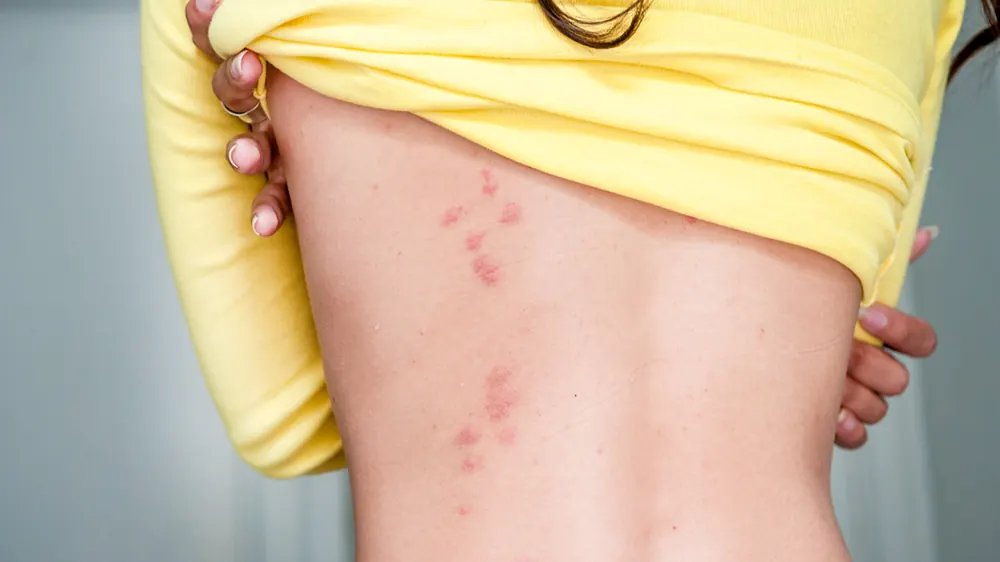
If you're being bitten at home, the first job is to find the insect, not to treat the bites. Bed bugs, fleas, bird mites and mosquitoes all cause itchy red marks, and people react to bites very differently, so two people in the same bed may have completely different symptoms. Treating for the wrong pest is a common, expensive mistake. This guide explains how to narrow it down and what proper treatment looks like.
The main biters in South African homes
Bed bugs
Flat, oval, reddish-brown and about the size of an apple seed when fully grown. They hide in mattress seams, bed frames, headboards, skirting and behind plug points, and come out at night to feed. They don't fly or jump. They travel in luggage, second-hand furniture and bags, which is why guesthouses, student residences and people who travel a lot see them more often. Our page on bed bug treatment in Port Elizabeth covers our local service.
Fleas
Tiny, dark and very good at jumping. They live on pets but most of the population, as eggs, larvae and pupae, is in carpets, pet beds, car seats and shady spots in the garden. Bites are often around the ankles and lower legs. Fleas can show up in a house that has no pets if the previous occupants had them, or if wild animals have been under the floor. See getting rid of fleas in Port Elizabeth homes.
Bird mites
Barely visible specks that move fast. They live in bird nests in roofs, gutters and air vents and feed on nestlings. When the young birds leave or die, the mites go looking for a new host and find their way into bedrooms. They bite but can't complete their life cycle on people. Our bird mite guide explains them in full.
Mosquitoes
The whine at night is the giveaway. Bites tend to be on exposed skin. They breed in standing water, so the solution is usually outside: gutters, buckets, pot saucers, ponds.
Clues that help narrow it down
- Where you're bitten. Ankles and lower legs suggest fleas. Bites on the arms, shoulders and neck after sleeping suggest bed bugs or mites.
- When it happens. Bites appearing overnight in bed point to bed bugs, mites or mosquitoes. Bites after sitting on the couch or walking on carpet point to fleas.
- Evidence. Small dark or rusty spots on sheets and mattress seams suggest bed bugs. Tiny moving specks near windows, ceiling lights or vents, especially after a bird nest went quiet, suggest bird mites. Pets scratching suggests fleas.
- Recent events. A trip, a second-hand couch, a new pet, birds nesting in the roof: these are often where the story starts.
Don't try to diagnose from the shape of the bites alone. Reactions vary too much between people.
Health and wellbeing
Most biting insects in homes here are a cause of itching, lost sleep and stress rather than serious disease. Scratching can lead to skin infections, and some people react strongly. The sleep and stress side shouldn't be underestimated, especially with bed bugs. If you have a severe reaction or bites that become infected, see a doctor.
Why DIY often fails with biters
With bed bugs, a can of spray on the mattress reaches only the bugs you can see and can push the rest into walls and furniture. With fleas, treating the dog but not the carpet means the next batch of pupae hatches straight back onto it. With bird mites, spraying the bedroom over and over doesn't help while the nest in the roof is still there. In each case, the source has to be dealt with.
What professional treatment involves
- Confirm the pest. We inspect beds, furniture, carpets, pet areas and the roof space, and identify what we find.
- Treat the source. For bed bugs, a thorough treatment of the bed, furniture and room, usually with a follow-up. For fleas, treatment of carpets, floors and pet resting areas, inside and out, while you treat your pets with a vet-recommended product. For bird mites, treatment of the nest site and the affected rooms, then advice on keeping birds out.
- Prepare and protect. We'll tell you what to wash, vacuum or move before we arrive. You don't need to leave home, but children and pets should stay off treated surfaces until they're dry.
- Follow up. Bed bugs and fleas both have stages that resist treatment, so a second visit is often part of the plan.
For how we approach this locally, see our biting insect service across Nelson Mandela Bay.
Prevention
When you come home from a trip, unpack on a hard floor rather than on the bed, and wash travel clothes on a hot cycle. Check second-hand beds and couches carefully, especially seams and joints, before they come into the house. Keep pets on a regular flea treatment from your vet and wash their bedding often. Don't let pigeons or mynas nest in the roof or gutters; close the gaps once any nest is dealt with. And tip out standing water around the garden every week in summer.
What does it cost?
It depends on the pest, the number of rooms affected, the type of building and whether a follow-up is needed. A flea treatment in a single home is a smaller job than bed bugs through a guesthouse. We'll quote once we know what we're dealing with.
Being bitten and not sure why? WhatsApp us a photo of what you've found, or call Pest Arrest on 087 012 5550 and we'll help you work it out.
Questions we get asked
Can I tell what bit me from the bite itself?
Not reliably. People react to bites very differently, so where and when you're bitten, and evidence like spots on sheets or pets scratching, are better clues.
Do bed bugs mean my house is dirty?
No. Bed bugs feed on blood, not dirt, and turn up in clean homes and good hotels alike. They usually arrive in luggage or second-hand furniture.
Why am I getting flea bites when I have no pets?
Flea pupae can wait in carpets for a long time and hatch when people move in. Wild animals or a previous owner's pets are often the source.
Can bird mites live on people?
No. They bite people but can't complete their life cycle without birds. Once the nest is dealt with and the house treated, they die out.
Do I need to throw away my mattress if I have bed bugs?
Usually not. A mattress can often be treated, and an encasement can help. Throwing it out without treating the room rarely solves the problem.