
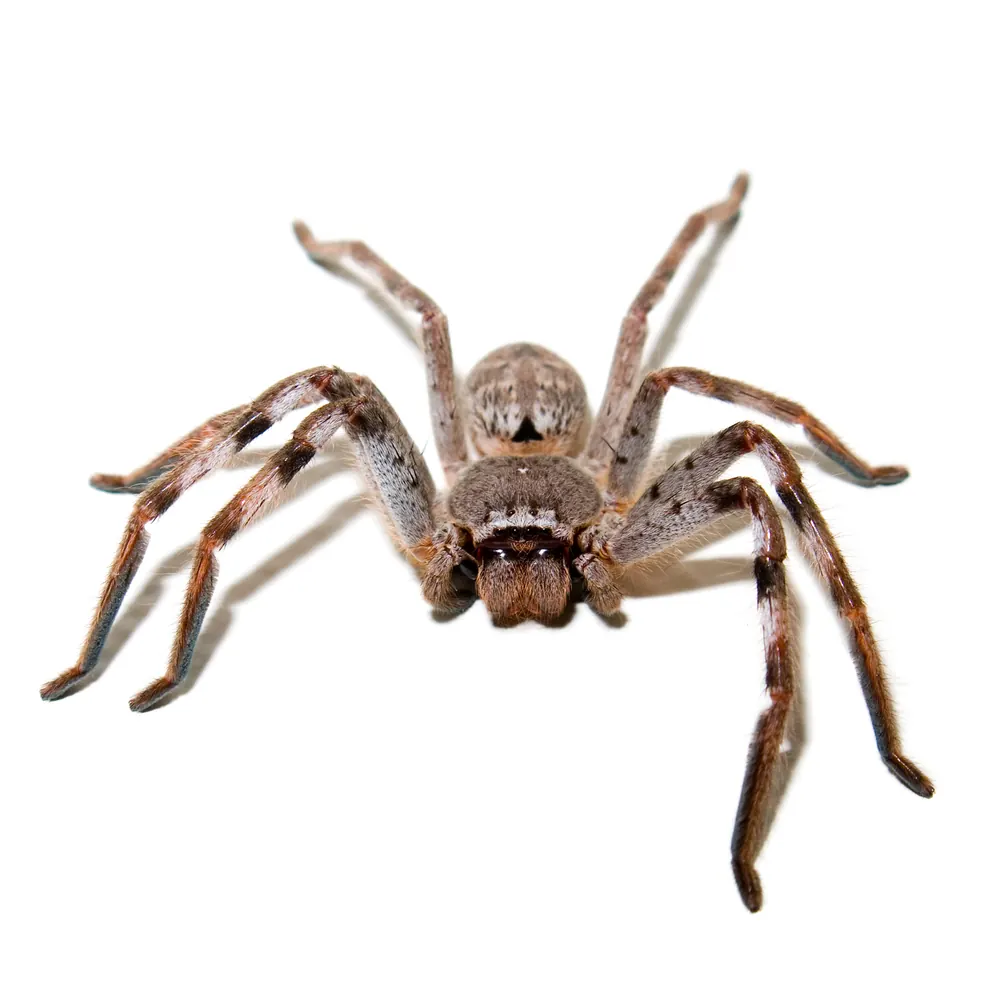
Most of the spiders you'll find in Summerstrand homes and flats are harmless and even useful. A few deserve more respect. If spiders are building up around your windows, balcony or garden, it nearly always means there's plenty of insect food about, often drawn in by outdoor lights. We treat the spiders, their hiding places and the reason they're there.
The light-and-web cycle on the beachfront
Walk past any row of beachfront flats at night and you'll see balcony lights, security lights and lit windows. Moths, midges and other night insects are drawn to those lights, and spiders know it. They build webs in the corners of window frames, under balcony ceilings and around light fittings, and their numbers grow with the food supply. Owners of sea-facing flats often tell us they clear webs every week and they're back the next.
Cutting the food supply helps more than anything else. Warmer, yellow-toned outdoor bulbs draw fewer insects, motion sensors mean lights aren't burning all night, and closing curtains reduces the glow from inside. A residual treatment on the frames and ledges then stops spiders re-establishing.
Spiders you might find
- Rain spiders are big, flat and brown, and often come indoors before or during rain. They look alarming but aren't considered dangerous, and usually just want to get out again.
- Button spiders are small, round, glossy and dark, sometimes with a red or orange mark. They like dry, sheltered spots outside: under garden furniture, in meter boxes, among pot plants, under the braai. A bite needs medical attention.
- Sac spiders are small, pale and active at night, and they're one of the spiders more likely to bite indoors, usually when trapped against skin in bedding or clothes.
- Daddy long-legs hang in loose, messy webs in ceiling corners. Harmless, though the webs gather dust.
If you're not sure what you've found, WhatsApp us a photo and we'll identify it.
Gardens near open ground
Homes on the edges of the suburb, closer to open coastal bush, see more spiders in the garden, along with the occasional scorpion. Wood piles, rockeries and stacked pots near the house give them shelter. Our page on scorpions around Summerstrand homes covers those.
How we treat
- We inspect the outside walls, eaves, window frames, balcony, garden structures and indoor corners to find where spiders are concentrated and what they're feeding on.
- We remove webs and egg sacs where we can reach them.
- We apply an odourless, non-staining residual spray to frames, eaves, ledges, behind furniture and other harbourage points, and a barrier treatment around the house where it's needed.
- We give advice on lighting and clutter to keep the insect food supply down.
You can stay at home; keep children and pets off treated surfaces until dry.
What people get wrong
Treating spiders as the whole problem. If insects are pouring in to the lights every night, spiders will keep coming no matter what. Deal with the food supply as well, or the treatment simply makes room for the next lot. If flies and moths are the bigger issue, have a look at flying insect control in Summerstrand.
Salt air and window frames
A practical local note: salt and wind on the beachfront are hard on window seals and frames, and the small gaps that open up as rubbers perish are exactly where spiders tuck themselves in and lay eggs. Replacing worn seals keeps out wind, damp and spiders in one go.
Blocks of flats and body corporates
For apartment blocks, webs on the outside of the building are a common complaint from residents, and they make a facade look neglected. Treating the exterior frames, balconies, stairwells and parking areas together, rather than one flat at a time, gives a much more even result. It also makes sense to time it with any window cleaning or painting, so new webs aren't straight back on fresh surfaces.
A word on bites
Spider bites are less common than people think, and many "spider bites" turn out to be something else, such as flea or bed bug bites. If you're getting regular bites at night, it's worth ruling out other causes before blaming spiders.
What does it cost?
It depends on the size of the property, how much outside wall and balcony area there is, and whether you need a once-off treatment or regular visits. If you've just got the odd rain spider indoors, you don't need us: catch it under a container and put it outside. A beachfront flat with constant webbing, or a garden with button spiders, is worth treating. We quote after a look.
See our spider guide for more on identification, or spider control across Port Elizabeth. We also treat spiders in Walmer's leafy gardens, and the Summerstrand pest page covers other local issues.
Call 087 012 5550, or WhatsApp us a clear photo of the spider and we'll tell you what it is.
Questions we get asked
Which spiders in Summerstrand are dangerous?
Button spiders are the main ones to watch for. They're small, round and glossy dark, and their bite needs medical attention. Most other spiders here are harmless or only mildly venomous.
What should I do if a button spider bites me?
Get medical help straight away. If you can safely trap or photograph the spider, take that with you.
Why do the webs on my balcony come back so fast?
Because the lights are bringing in insects every night. Reduce outside lighting and treat the frames and ledges, and the webs slow down.
Should I kill rain spiders?
There's no need. They're not considered dangerous. Cover one with a container, slide a card underneath and put it outside.
Is the spider spray safe for my cat?
Yes, once it has dried. Keep your cat away from treated areas until then.