
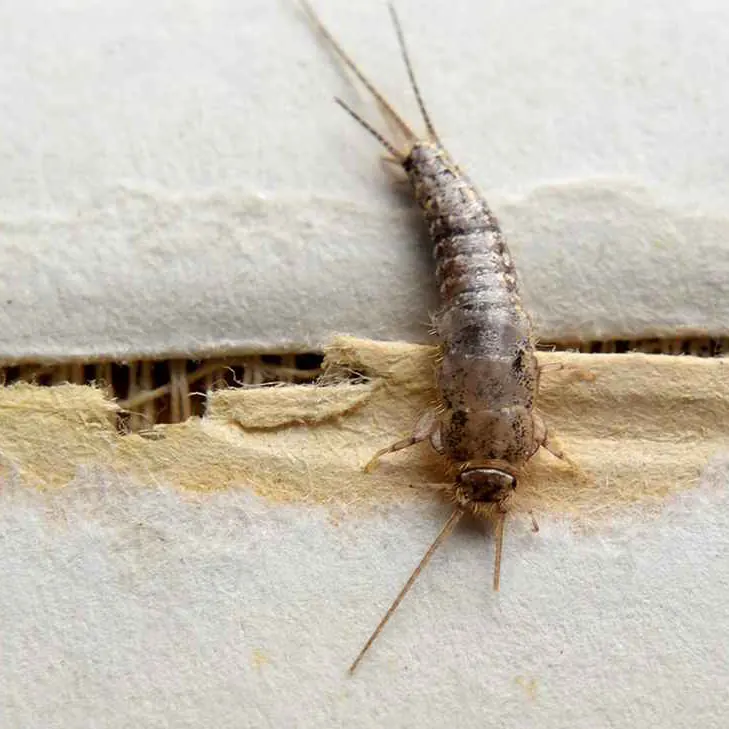
Fishmoths do well in Summerstrand for one main reason: the sea air. They need humidity, and a suburb right on the ocean supplies it most of the year. If you're finding silvery, fast-moving insects in cupboards or among your books, the fix is a targeted treatment of the places they hide, combined with bringing the moisture down.
What they are
Fishmoths, also called silverfish, are small, flat, wingless insects with a tapering, carrot-shaped body, a silvery-grey scaly coat and three thin tails. They move with a fish-like wriggle, which is where the name comes from. They're active at night and hide during the day in tight, dark, damp gaps. They don't bite, but they do damage.
What they eat
Fishmoths feed on starch, glue, sugar and protein. In practice, that means:
- Books, especially bindings and older paper
- Wallpaper paste and cardboard boxes
- Photographs and documents stored in boxes
- Cotton, linen, rayon and starched clothing
- Cereal, flour and dry pet food
Signs include irregular holes or scraped patches on paper and fabric, yellowish stains, tiny pepper-like droppings and shed scales.
Where we find them in Summerstrand
Student rooms and textbooks
Students near the university often keep piles of textbooks, printouts and notes in cupboards and on floors, in rooms that don't always get much airing. Cardboard boxes from moving day stay stacked in a corner for the whole year. That's ideal fishmoth habitat, and we often find them living right inside the box.
Holiday flats closed up out of season
A beachfront flat that's locked for weeks, with windows shut and curtains drawn, becomes damp and still. Linen cupboards full of folded sheets and towels, a shelf of holiday paperbacks and a box of board games make a feast. Owners often only notice when they open the cupboard at the start of the season.
Hotel and guesthouse linen stores
Storerooms packed with cotton linen, paper stock and cardboard, often in back rooms with poor ventilation, can carry big populations. The damage to linen and printed stock quietly adds up.
Roof spaces and built-ins
In houses, fishmoths live in roof spaces, behind skirting boards and in the gaps around built-in cupboards, especially along walls that stay damp.
How we treat fishmoths
We inspect cupboards, shelves, storerooms and the roof space to find where they're concentrated. Then we treat the cracks, voids and hiding places with an odourless, non-staining residual product, including the gaps behind and under built-in cupboards, along the skirting and in the roof void where needed. We'll also point out the moisture sources that are keeping them comfortable. You don't have to move out; keep kids and pets off treated surfaces until dry.
A tip for living with sea air
Swap cardboard boxes for sealed plastic containers in storage cupboards, and keep a moisture absorber in linen and book cupboards, especially in a flat that will be closed up for a while. Leaving cupboard doors slightly open when you lock up lets air move. Fishmoths struggle in dry, airy spaces, and in Summerstrand you have to make a bit of effort to create them.
What people get wrong
Spraying the inside of the cupboard and packing everything back in. Fishmoths live in the gaps behind, under and around the cupboard, not just on the shelves, and they lay their eggs in cracks. If the boxes, books and damp conditions go straight back, so do the fishmoths.
Looking after books and documents
If you have a collection of books, family photographs or important papers, keep them off the floor and away from outside walls, which tend to be the dampest in a seaside house. Store photographs and documents in sealed plastic sleeves or boxes rather than cardboard. Take books off the shelf now and then and give them a shake; regular handling disturbs fishmoths, and they prefer places that are left alone.
What does it cost?
It depends on how many rooms and cupboards are affected, whether the roof space needs treating and the size of the property. A small flat with a few fishmoths in one cupboard can often be sorted by drying things out, clearing the cardboard and some good housekeeping, and we'll tell you if that's enough. A hotel linen store, a whole house or a large collection of books needs a full treatment. We quote after an inspection.
Fishmoths are one of several crawling insects we treat; see crawling insect control in Summerstrand for cockroaches and ants too. The wider service is on our fishmoth control page for Port Elizabeth, and the Summerstrand pest overview covers the rest. Inland, older homes have their own fishmoth story, covered under fishmoths in Mill Park's older houses.
Call 087 012 5550, or WhatsApp us a photo of the insect or the damage and we'll tell you what you've got.
Questions we get asked
Are fishmoths harmful to people?
No. They don't bite or sting. The problem is the damage they do to books, paper, photos and fabrics.
Why do I have fishmoths in a newer flat?
Because humidity matters more than the age of the building. They also arrive in cardboard boxes, old books and stored linen.
Will mothballs get rid of fishmoths?
No. Mothballs are aimed at clothes moths and do little for a fishmoth problem. Treating their hiding places and reducing damp works far better.
How do I protect my holiday flat while it's empty?
Store linen and books in sealed containers, put moisture absorbers in cupboards, leave cupboard doors ajar and have the flat treated if you've already seen fishmoths.
Can fishmoths damage my clothes?
Yes, especially cotton, linen and starched items stored for a long time in damp cupboards.